Skip to content
Easy Travel in Japan
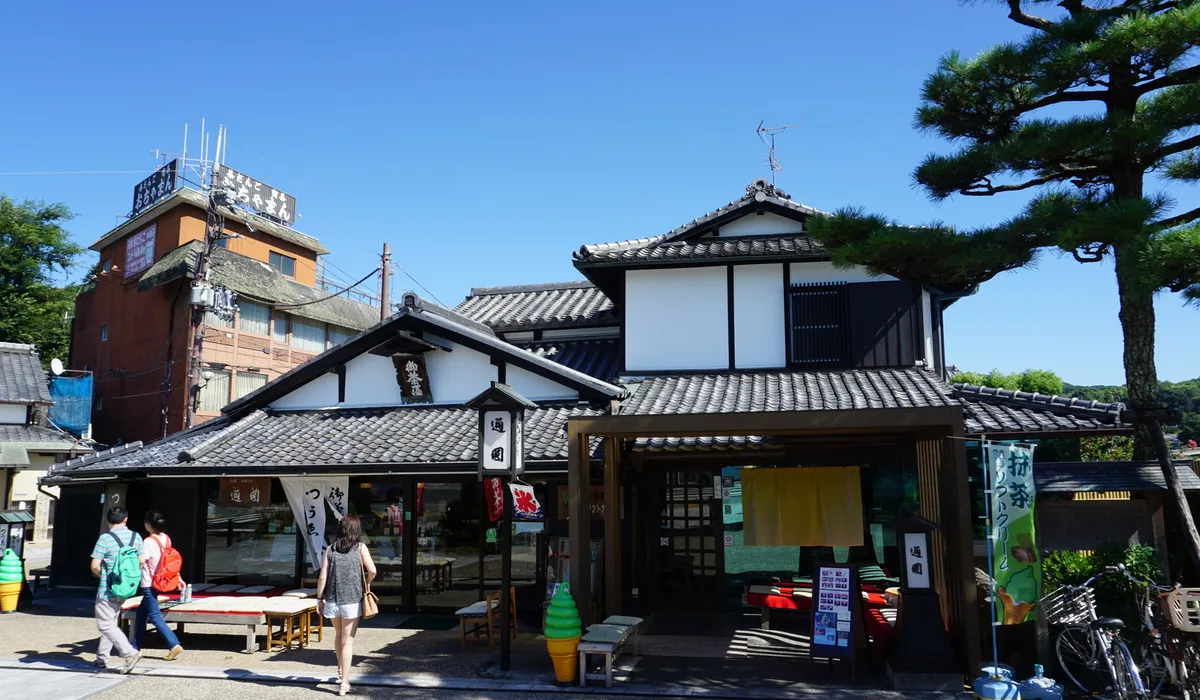
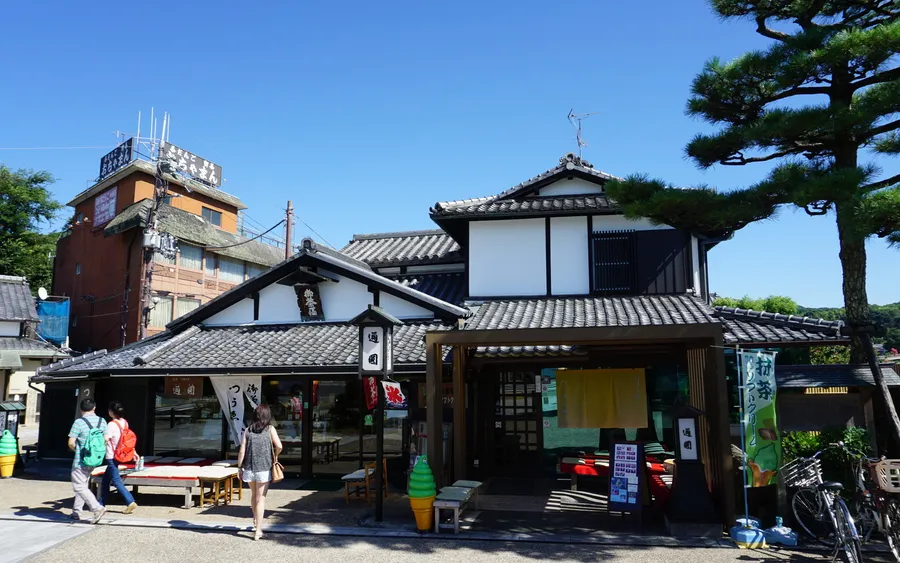
Tsuen Tea House beside Uji Bridge, Kyoto

Kyoto's Best Tea Houses & Matcha Shops

Matcha has been grown just south of Kyoto, in Uji, since the 11th century, and the city has never really stopped drinking it. These five places trace that history from one end to the other — a tea house that’s been standing since before the shogunate, a mochi shop pushing 1,000 years old, and a glass-walled café that opened in the last decade but has already become just as much of a local landmark.

  1. Tsuen Tea House beside Uji Bridge, Kyoto1

    Tsuen Tea (Uji)

    Tsuen is recognized as the oldest tea house in Japan, founded in 1160 by a samurai-turned-tea-merchant named Tsuen Masahisa, whose descendants have run it ever since — the current owner is the 24th generation of the family. It stands right where it always has, beside Uji Bridge, and shoguns including Toyotomi Hideyoshi and Tokugawa Ieyasu are recorded among its historical patrons. Inside, alongside cups of matcha, gyokuro, and hojicha, you can see centuries-old ceramic tea jars and a well bucket said to have belonged to the tea master Sen no Rikyu — as much a small museum as a place to sit down for tea.
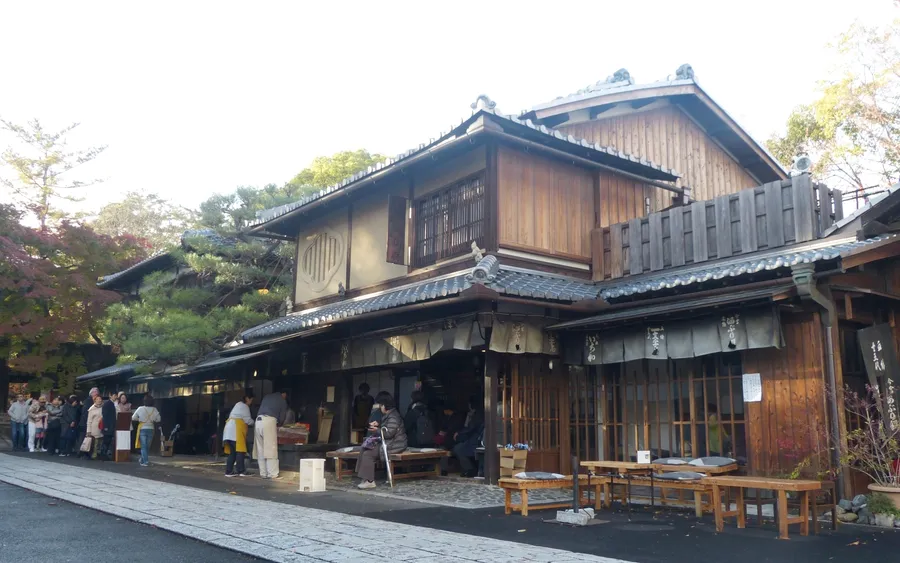
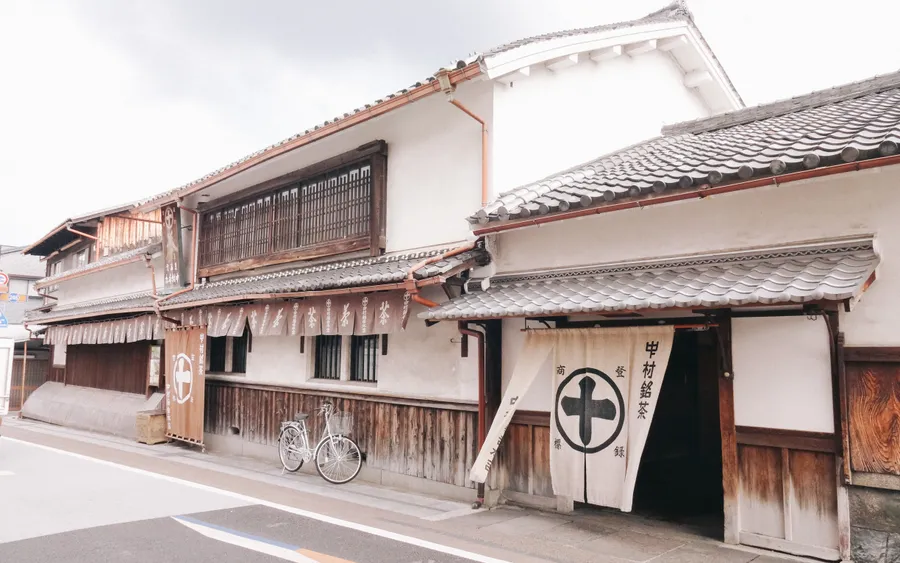
  2. Storefront of Ichimonjiya Wasuke (Ichiwa), Kyoto2

    Ichimonjiya Wasuke, "Ichiwa" (Kita Ward)

    Founded around the year 1000 to serve pilgrims visiting the neighboring Imamiya Shrine, Ichiwa is often cited as the oldest continuously operating confectionery in the world, now run by the 25th generation of the same family. It serves exactly one thing: aburi-mochi, small grilled rice cakes on skewers, roasted over charcoal and coated in a sweet white miso sauce, eaten alongside a bowl of green tea. A near-identical rival shop, Kazariya, sits directly across the narrow street and has served the same dish for centuries — trying both and comparing is a local tradition in itself.

    10:00 AM – 5:00 PM, closed Wednesdays69 Murasakino Imamiyacho, Kita Ward, Kyoto
  3. Nakamura Tokichi Honten, Uji Main Store3

    Nakamura Tokichi Honten (Uji)

    Founded in 1854 and now run by the seventh generation of the Nakamura family, this Uji main store is one of the most recognized names in Japanese matcha, instantly identifiable by its distinctive wooden building with a chimney rising from the old tea-processing works behind it. The matcha and hojicha parfaits and soft-serve here are the draw for most visitors, built with tea ground fresh on site rather than pre-mixed syrups, and the tea itself has that concentrated, slightly savory depth that comes from Uji's centuries of shade-growing tradition. It's a short walk from JR Uji Station, making it an easy stop on a half-day trip out from central Kyoto.

    10:00 AM – 5:30 PMIchiban-10 Uji, Uji, Kyoto
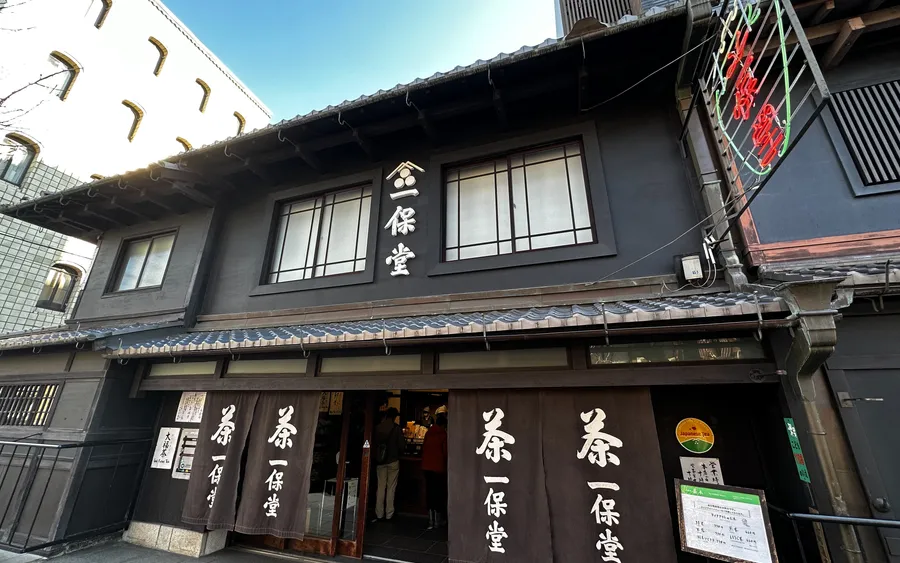
  4. Ippodo Tea Kyoto Main Store on Teramachi Street4

    Ippodo Tea (Kyoto Main Store)

    Ippodo has been selling tea on Teramachi Street since 1717, and its Kyoto main store still has the feel of an old-fashioned tea merchant — wooden counters, staff who'll walk you through the differences between its dozens of blends, and a tearoom in back where you can try before you buy. The shop's name, adopted in 1846, translates roughly to 'preserve one,' a nod to a single guiding principle: keep making genuinely good tea, without chasing trends. It's a five-minute walk from the Kamo River, and one of the more reliable places in the city to sit down with a properly prepared bowl of matcha rather than a to-go cup.

    10:00 AM – 5:00 PM Mon–Sat, 10:00 AM – 6:00 PM Sun & holidays; café closes 5:00 PM (last order 4:30 PM)52 Tokiwagi-cho, Teramachi-dori, Nijo-agaru, Nakagyo Ward, Kyoto
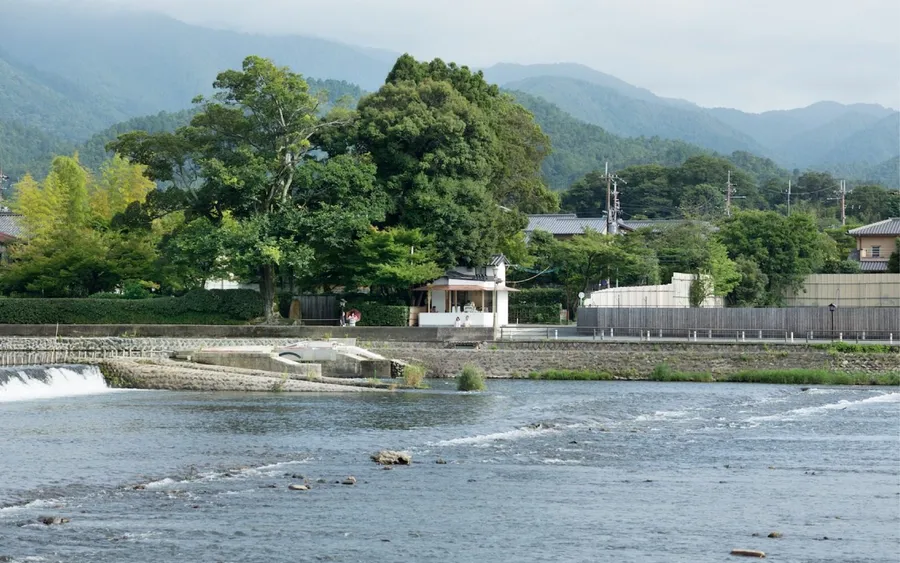
  5. % Arabica Kyoto Arashiyama flagship store overlooking the river5

    % Arabica Kyoto Arashiyama

    The polar opposite of Kyoto's centuries-old tea houses, % Arabica opened its global flagship store here in 2013, right on the river with the Togetsukyo Bridge and the hills of Arashiyama in full view. It's built its name on specialty coffee rather than tea, but its matcha lattes, made with proper Uji matcha, have become just as much of a draw — worth the wait in line for the view alone, even if you end up drinking it standing on the riverbank. It's a good reminder that Kyoto's tea culture isn't frozen in the Edo period; it's still evolving, one minimalist white storefront at a time.

Keep reading

More guides you might like

Nearby

Related destinations

Continue

Related services

Easy Travel in Japan