Skip to content
Easy Travel in Japan
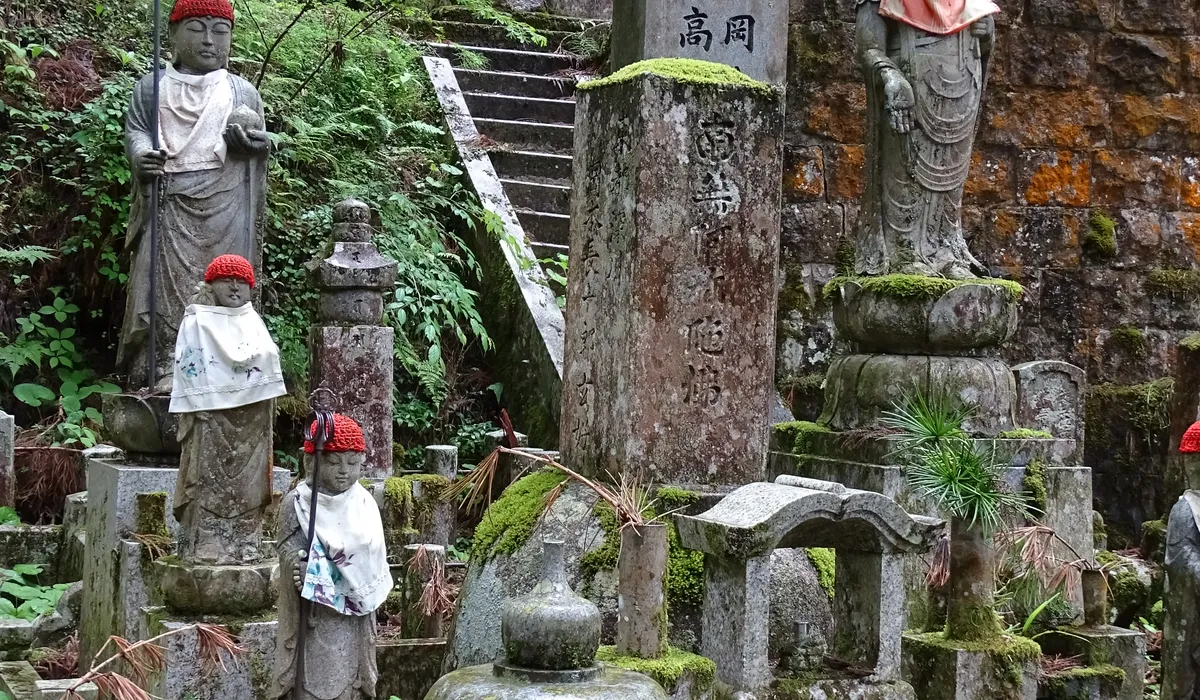
Choishi Path, Okunoin Cemetery, Koyasan

The Ultimate Koyasan Travel Guide

Koyasan, or Mount Koya, is a mountaintop temple town in Wakayama Prefecture and the headquarters of Shingon Buddhism, founded in 816 when the monk Kukai — later known as Kobo Daishi — received imperial permission to build a monastic training complex on this forested plateau. Together with the pilgrimage sites of Yoshino, Omine, and Kumano further south, it forms part of the UNESCO World Heritage listing “Sacred Sites and Pilgrimage Routes in the Kii Mountain Range,” inscribed in 2004. Most travelers reach it from Osaka via the Nankai Koya Line and a short cable car climb, and while it’s possible to see the highlights in a single long day, Koyasan is really built for an overnight stay — a chance to sleep, eat, and pray inside one of Japan’s oldest living religious communities rather than just pass through it. Here’s a closer look at the gate, pagoda, head temple, and pilgrim cemetery that make up the mountain, along with the temple lodgings and food that set Koyasan apart from anywhere else in Japan.

Attractions

The gate, pagoda, head temple, and pilgrim cemetery that have drawn visitors up this mountain for over 1,200 years.

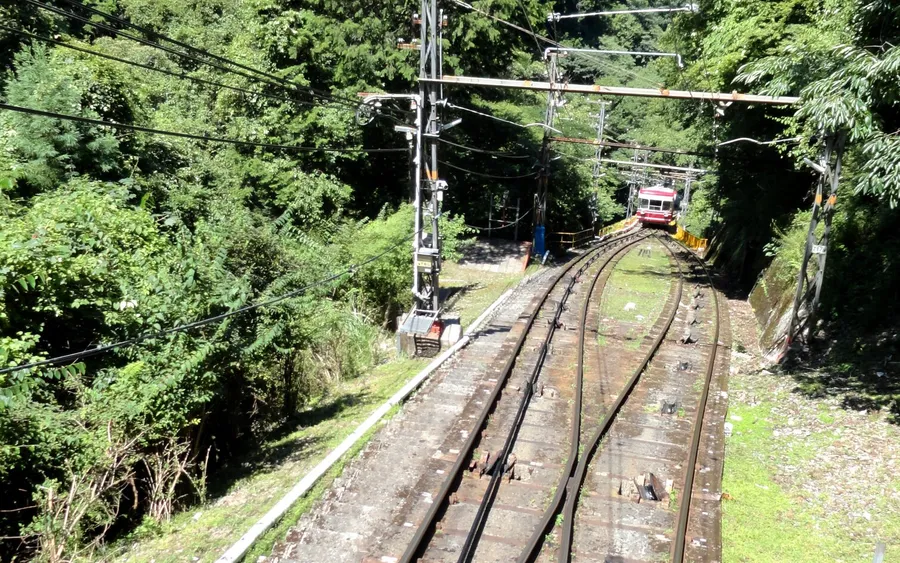
  1. Nankai cable car climbing from Gokurakubashi to Koyasan1

    Getting Up the Mountain: Nankai Koya Line & Cable Car

    Koyasan's remoteness is part of the experience before you even arrive. From Osaka's Namba Station, the Nankai Koya Line's limited express reaches Gokurakubashi, the mountain's base, in around 80 minutes; most visitors instead ride an express or rapid train and transfer at Hashimoto, which takes closer to 100 minutes. At Gokurakubashi, a steep five-minute cable car climbs the final stretch to Koyasan Station, followed by a short local bus into the town center. Nankai sells a discounted World Heritage Ticket that bundles the round-trip fare with unlimited local buses around the mountain, worth it for anyone planning to move between sights over a full day.
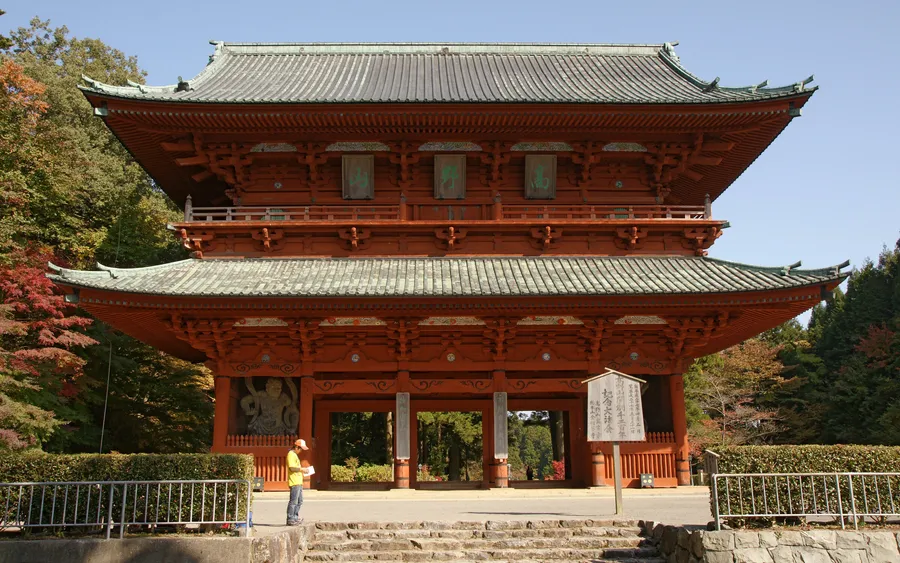
  2. Daimon, the great entrance gate to Koyasan2

    Daimon (Great Gate)

    Daimon has marked the traditional entrance to Koyasan since the mountain's earliest days, though the structure standing today dates to a 1705 rebuild. At around 25 meters tall, it's an imposing double gate, its five-section pillar structure guarded by two vermilion Kongorikishi statues said to be the second-largest of their kind in Japan after the pair at Todai-ji in Nara. Most visitors arrive from the opposite direction and see Daimon last, which makes it a fitting spot to pause and look back down toward the valley before heading into town.

  3. Konpon Daito pagoda, Danjo Garan, Koyasan3

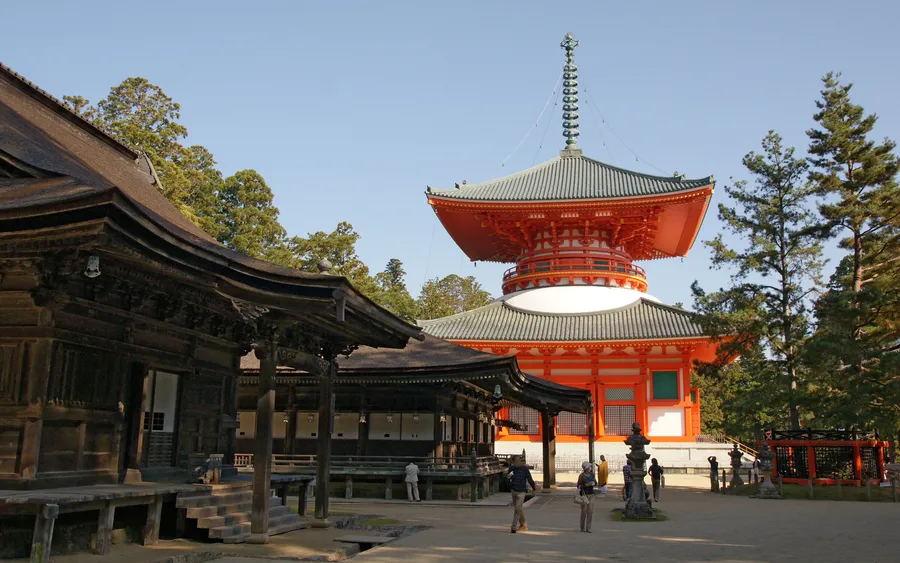
    Danjo Garan & Konpon Daito

    Danjo Garan is the mountain's original core training ground, the complex Kukai himself began building after founding Koyasan in 816. Its centerpiece is the Konpon Daito, a roughly 48-meter vermilion pagoda considered the first of its architectural style built in Japan, its bright red body standing out sharply against the surrounding cedar green. The grounds themselves are free to walk, so it's easy to take in the Konpon Daito and the neighboring Kondo hall from outside before deciding whether to pay to see either interior.

    Konpon Daito & Kondo interiors: 8:30 AM – 5:00 PM, last admission 4:30 PM; grounds open longer152 Koyasan, Koya-cho, Ito-gun, Wakayama 648-0211
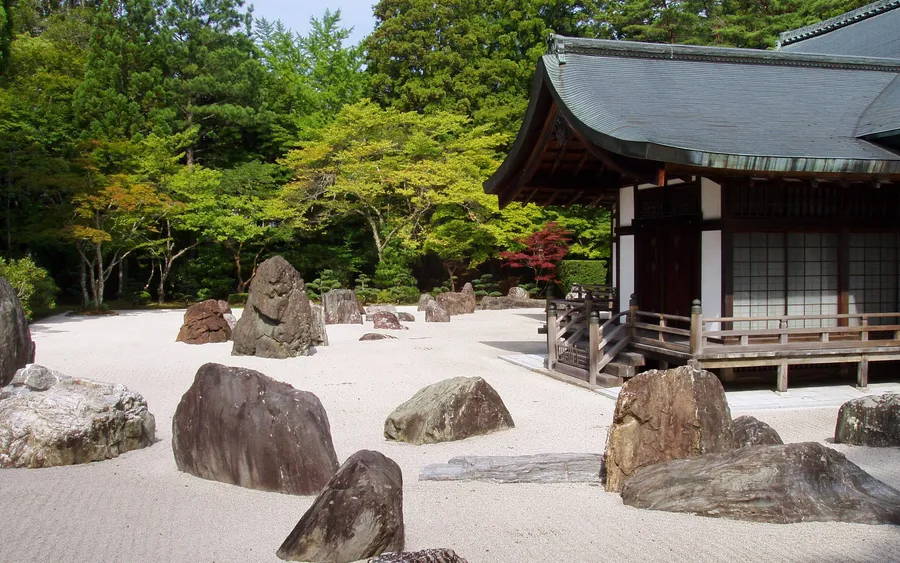
  4. Banryutei rock garden, Kongobuji, Koyasan4

    Kongobuji

    Kongobuji is the head temple of Koyasan Shingon Buddhism, its current buildings dating to 1593. Inside, painted sliding-screen doors lead through room after room of temple architecture, but the highlight is the Banryutei rock garden, completed in 1984 from 140 granite stones carried from Kukai's native Shikoku and arranged to depict a pair of dragons emerging from clouds. It's Japan's largest rock garden, and one of the few places on the mountain where the design feels genuinely modern rather than restored.

    8:30 AM – 5:00 PM, last admission 4:30 PM132 Koyasan, Koya-cho, Ito-gun, Wakayama 648-0294
  5. Choishi Path through Okunoin Cemetery, Koyasan5

    Okunoin

    Okunoin is Japan's largest cemetery, more than 200,000 tombstones and memorial monuments lining a roughly two-kilometer approach through ancient cedar trees, some with planting records dating back to 1012. At the far end stands the mausoleum of Kobo Daishi — Shingon tradition holds he never died, but entered eternal meditation awaiting a future Buddha, and monks still carry him ritual meals twice a day. Walking the full path from the Ichinohashi entrance takes a good 40 minutes to an hour at an unhurried pace, past centuries of moss-covered memorials belonging to feudal lords, companies, and ordinary pilgrims alike.

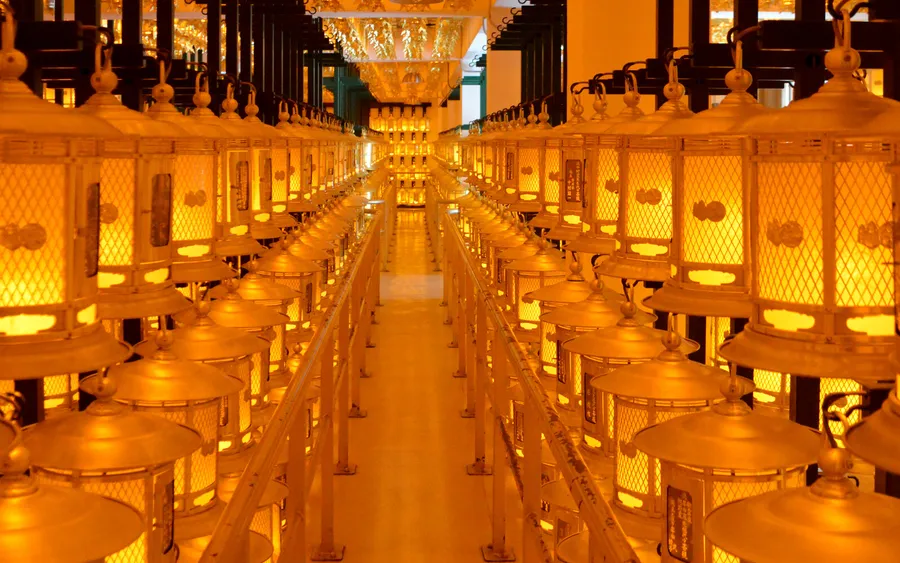
  6. Lanterns inside Torodo, Okunoin, Koyasan6

    Torodo (Lantern Hall)

    Just before Kobo Daishi's mausoleum, the Torodo, or Lantern Hall, holds thousands of lanterns donated by visitors over the centuries, including two said to have burned continuously for more than 900 years. The hall glows day and night, but it's especially atmospheric toward dusk, when the stone lanterns lining the final stretch of the Okunoin path begin to light up one by one and the crowds thin out.

Culture & Traditions

The temple lodgings and fire rituals that let visitors live inside Koyasan's Shingon Buddhist practice, not just observe it from outside.

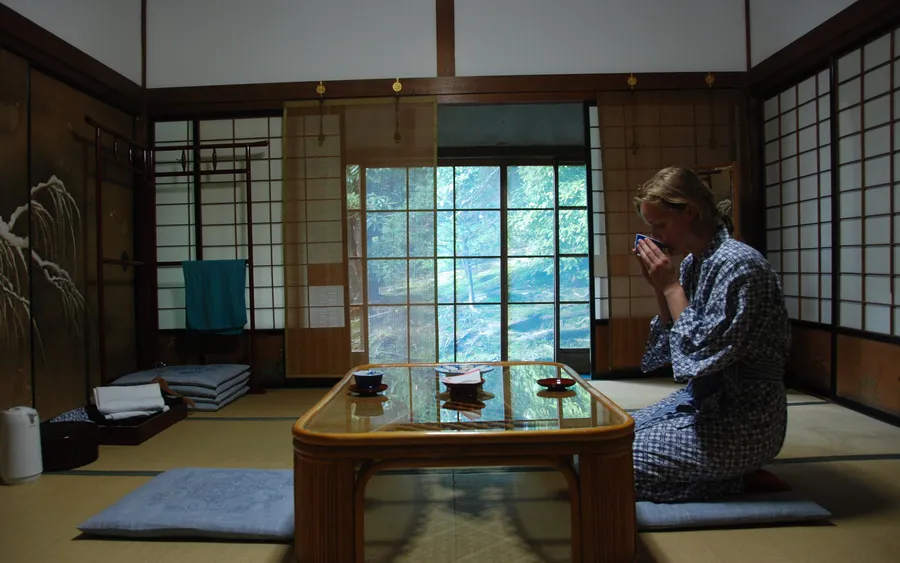
  1. Guest room inside a Koyasan shukubo1

    Stay at a Shukubo

    More than a hundred temples cluster on Koyasan, and around 50 of them still operate as shukubo — temple lodgings that put visitors inside a working monastic community rather than a museum piece. Rooms are simple tatami affairs, often looking onto a small garden, and staying overnight is really the only way to experience Koyasan properly, since the mountain's atmosphere changes completely once the day-trip crowds head back down after the cable car's last run.

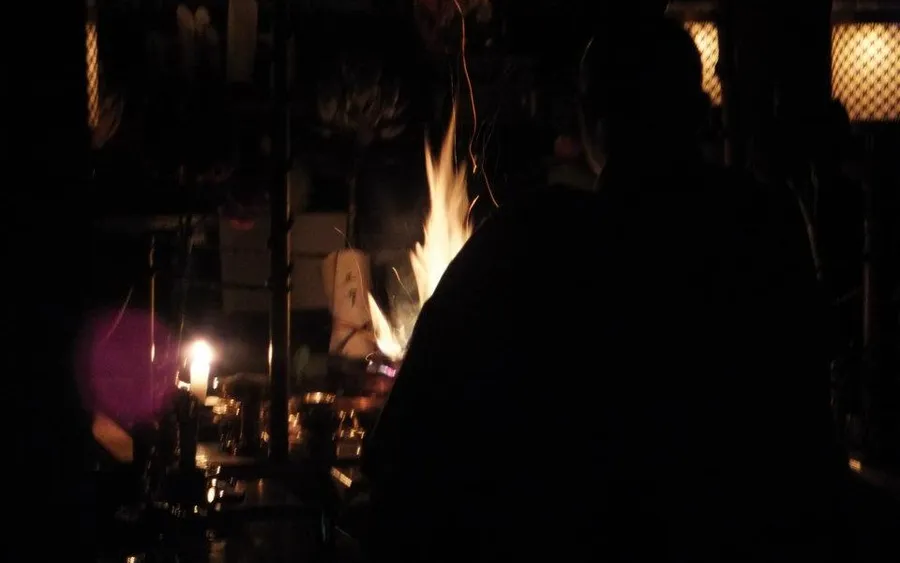
  2. Goma fire ritual at a Koyasan temple2

    Morning Prayer & Goma Fire Ritual

    Shukubo guests are welcome to join the temple's daily prayer ceremony, usually held around 6 to 7 a.m. and built around sutra chanting in the temple's main hall. Some temples add a Goma fire ritual to the morning service, a Shingon Buddhist ceremony in which a priest burns wooden sticks inscribed with wishes, symbolizing the burning away of earthly desire. It's a genuinely lived religious practice, not a demonstration staged for guests, and one of the few times a visitor can sit inside thirteen centuries of continuous Buddhist practice rather than just look at it.

Food

Buddhist vegetarian cooking built around the sesame tofu Koyasan calls its own.

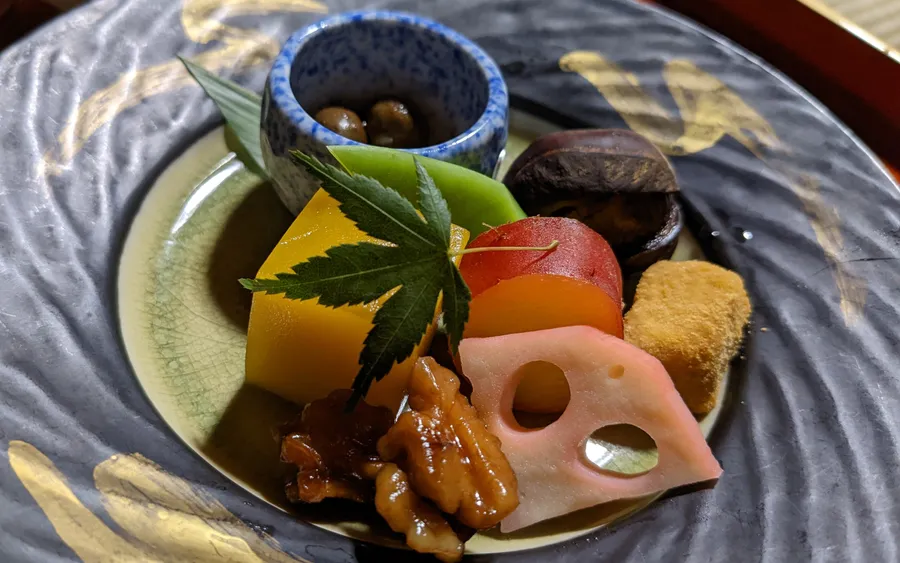
  1. Shojin ryori appetizer, Koyasan1

    Shojin Ryori

    Every shukubo on the mountain serves shojin ryori, Buddhist vegetarian cuisine that excludes meat, fish, and pungent ingredients like garlic and onion, typically arranged as six to eight small dishes of simmered vegetables, tempura, pickles, and rice. It's included with a temple stay rather than something to seek out separately, served in your room or a shared dining hall in the early evening — a quiet, unhurried meal that sets the tone for the rest of the stay.

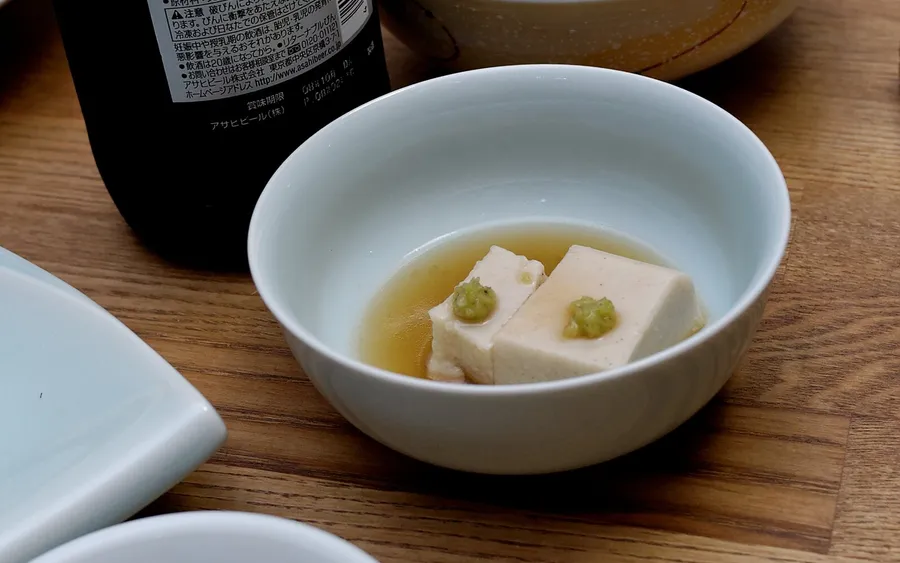
  2. Goma-dofu, a sesame tofu specialty of Koyasan2

    Goma-dofu

    Goma-dofu is Koyasan's own culinary specialty, a silky sesame-based tofu made without soybeans, its texture closer to a firm custard than ordinary tofu. It shows up as a fixture of nearly every shojin ryori meal on the mountain, usually served chilled with a touch of soy sauce and wasabi, and a handful of shops in town sell it to take home for anyone who wants to keep the taste of Koyasan going after they leave.

Keep reading

More guides you might like

Nearby

Related destinations

Continue

Related services

Easy Travel in Japan