Skip to content
Easy Travel in Japan
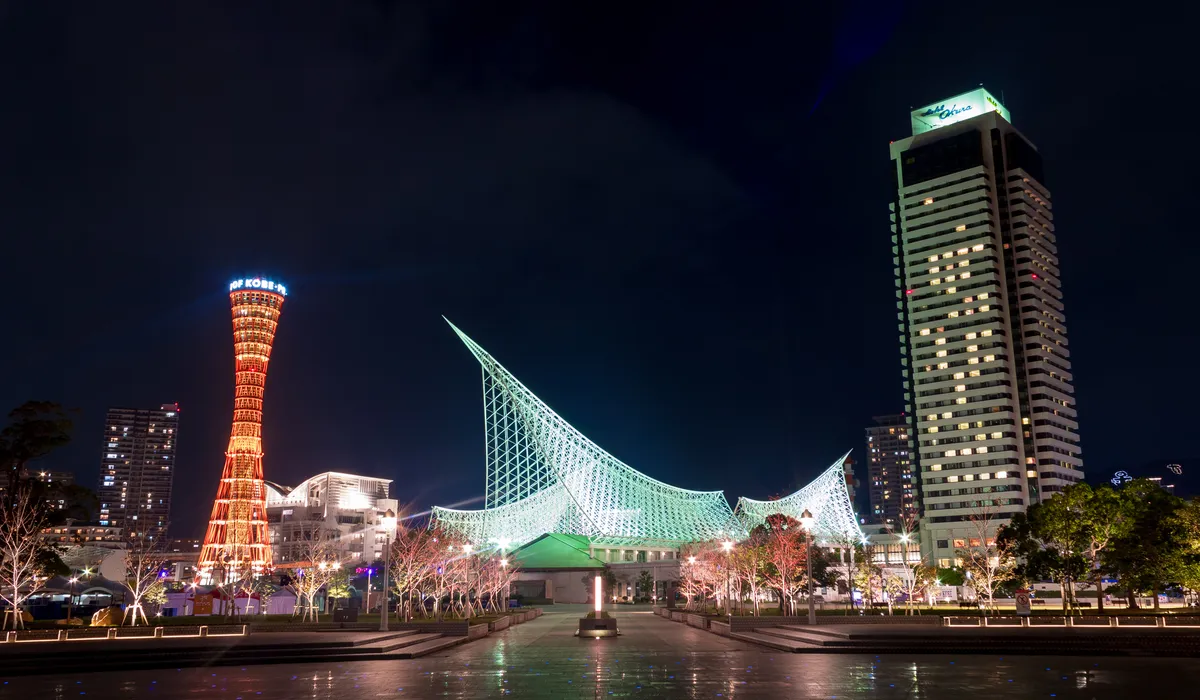
Kobe Port Tower and the harbor at Meriken Park

The Ultimate Kobe Travel Guide

Kobe is the capital of Hyogo Prefecture, squeezed onto a narrow strip of land between Osaka Bay and the Rokko mountain range — a geography so tight the city has literally moved earth from its mountains to build artificial islands in the bay. The Port of Kobe opened to foreign trade on January 1, 1868, one of Japan’s first treaty ports, and the Western, American, and Chinese merchants who settled here left the city with a cosmopolitan character still visible in its architecture, its Chinatown, and its food today. From Osaka, the Shinkansen reaches Shin-Kobe in under 15 minutes, making it an easy day trip or a worthwhile stop of its own on a Kansai itinerary. Here’s a closer look at the foreign quarter, the waterfront, the mountain views, and the food that make Kobe worth more than a quick beef dinner on the way through.

Attractions

The foreign quarter, Chinatown, waterfront, and mountaintop views that trace Kobe's history from port city to cosmopolitan capital.

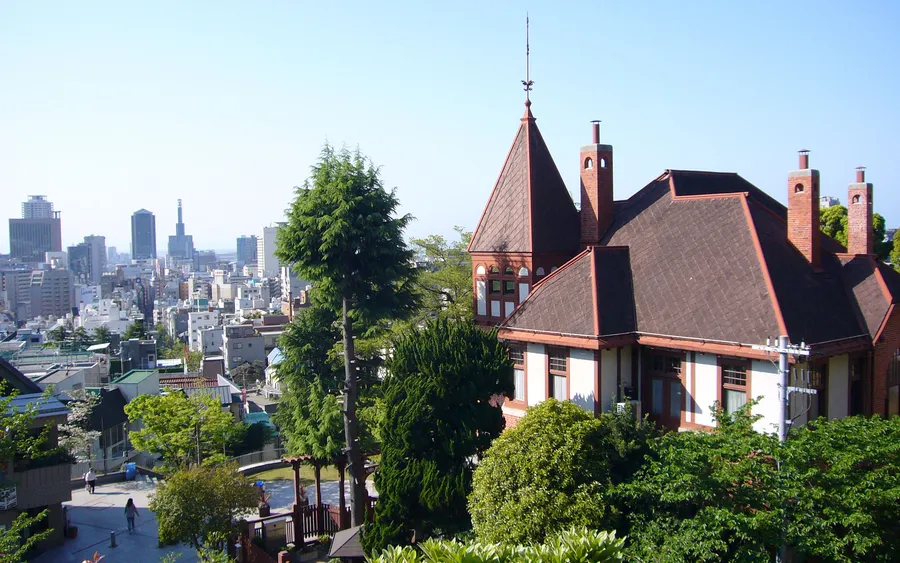
  1. Weathercock House, a red-brick foreign residence in Kitano-cho, Kobe1

    Kitano-cho (Ijinkan Foreign Settlement)

    Kitano-cho is a hillside neighborhood above central Kobe where 19th- and early-20th-century foreign merchants built their homes after the Port of Kobe opened to foreign trade in 1868. Around 30 of these Western-style houses, known as ijinkan, still stand, roughly 16 of them open to the public, showing off British, French, Italian, and Chinese architectural styles within a few blocks of each other. The most photographed is Weathercock House, a red-brick residence topped with the wind vane that gives it its name — one of the few ijinkan built of brick rather than wood, a choice that helped it survive the 1995 earthquake relatively intact. The steep, quiet streets here feel closer to a European hill town than anywhere else in Kobe.
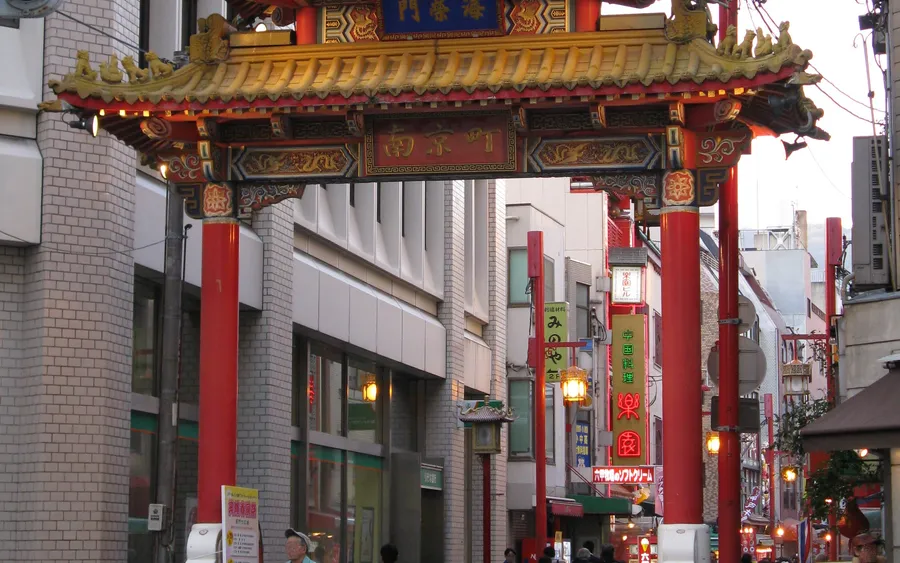
  2. Kaiei-mon, the south gate of Nankinmachi, Kobe Chinatown2

    Nankinmachi (Chinatown)

    Nankinmachi grew up just after Kobe's 1868 port opening, as Chinese merchants settled alongside the Western traders arriving through the new treaty port. Today it's the largest of Japan's three major Chinatowns in the Kansai region, a compact grid of around 100 restaurants and food stalls entered through three ornate gates — Choan-mon to the east, Seian-mon to the west, and Kaiei-mon to the south, each guarded by stone lion statues. At the center, Nankinmachi Square holds a hexagonal pavilion that makes a natural meeting point before diving into the street food. It's less a sightseeing stop than a place to eat your way through, steamed buns and small plates in hand.

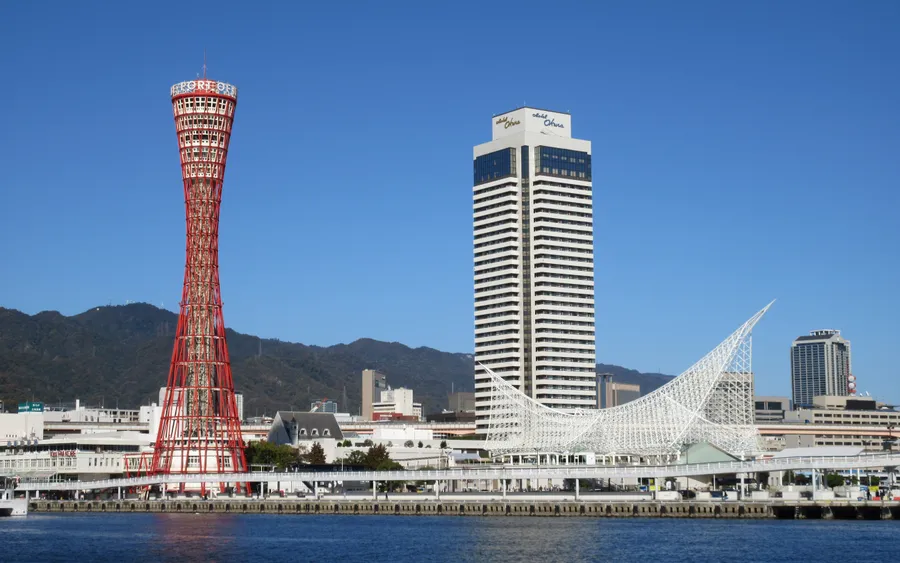
  3. Kobe Port Tower viewed from across the harbor at Meriken Park3

    Meriken Park & Kobe Port Tower

    Meriken Park sits right on the waterfront where Kobe's identity as a port city is most visible, anchored by the red, hourglass-shaped Kobe Port Tower — a fixture of the skyline since 1963. The tower closed for a major renovation in the early 2020s and reopened in April 2024 with its observation decks intact, still offering a 360-degree view over the harbor and the Rokko mountains behind the city. The park also holds the Kobe Maritime Museum and a memorial to the 1995 Great Hanshin earthquake, a quieter reminder of the disaster the city rebuilt from. It's an easy, unhurried stop, especially toward sunset when the tower starts to light up.

    9:00 AM – 11:00 PM daily, last admission 10:30 PM5-5 Hatobacho, Chuo-ku, Kobe, Hyogo 650-0042
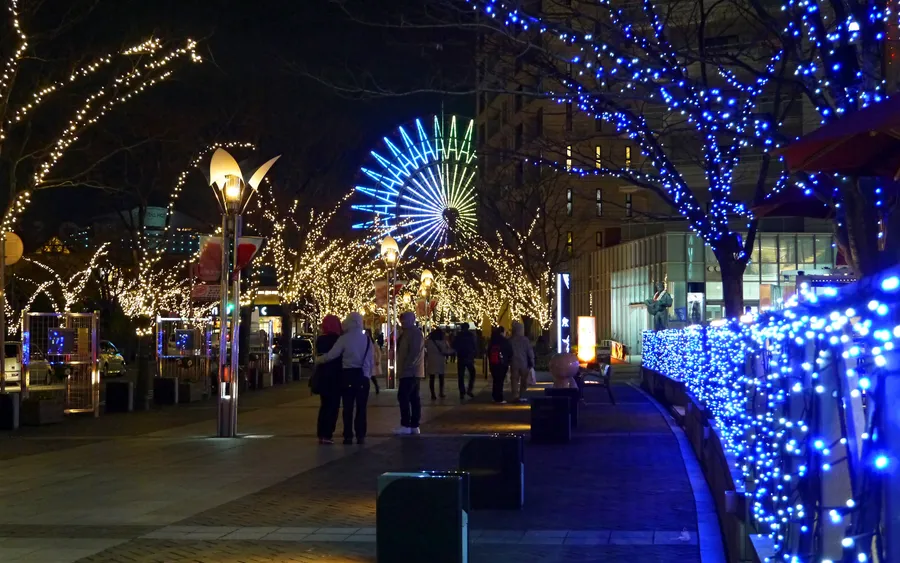
  4. Illuminated waterfront promenade at Kobe Harborland at night4

    Kobe Harborland

    Just west of Meriken Park, Harborland is Kobe's waterfront entertainment district, built around a former railway yard and now packed with shopping malls, restaurants, and a small Ferris wheel that lights up after dark. It's at its best in the evening, when string lights strung through the trees along the promenade turn the walk between shops into an event in its own right, especially during Kobe's winter illumination season. Pair it with Meriken Park next door for a full waterfront afternoon into evening, with the Port Tower visible from most of the district.

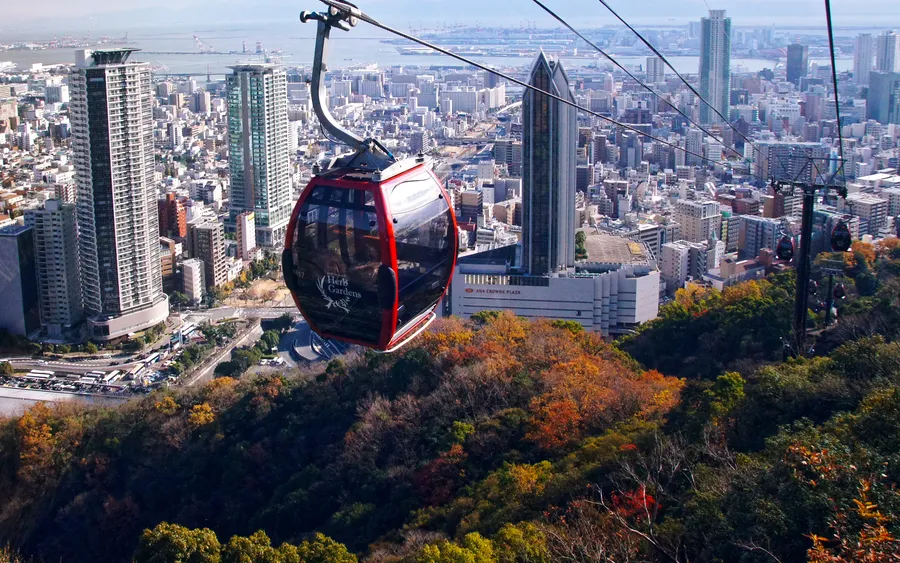
  5. Ropeway gondola ascending to the Kobe Nunobiki Herb Garden, with the city below5

    Kobe Nunobiki Herb Garden & Ropeway

    A short ropeway ride from near Shin-Kobe Station lifts visitors up to Japan's largest herb garden, roughly 75,000 herbs and flowers spread across 12 themed gardens on the slopes of Mount Rokko. The cable cars themselves are part of the appeal — glass-walled gondolas that climb steadily above the city, giving a widening view back over Kobe and the bay as the buildings shrink below. The garden also sits along the path to Nunobiki Falls, one of Japan's classical named waterfalls, making it easy to combine a hike with the ropeway for a longer visit. Hours shift by season, with later closing on weekends, holidays, and through summer.

    Ropeway roughly 9:30 AM – 5:15 PM, later on weekends, holidays, and in summer — check the current seasonal schedule before visiting1-4-3 Kitano-cho, Chuo-ku, Kobe, Hyogo 650-0002
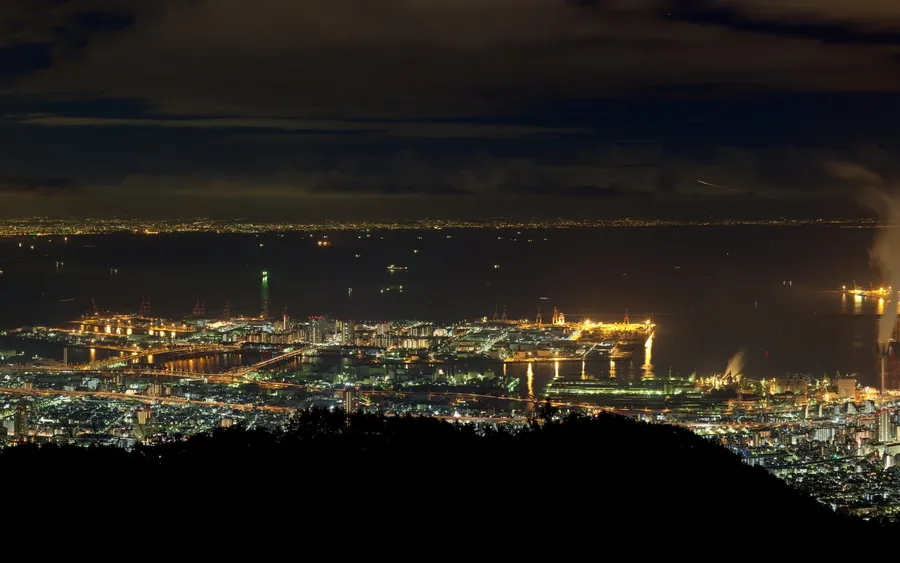
  6. Night view of Kobe and Osaka Bay from Mount Rokko6

    Mount Rokko Night View

    Mount Rokko's view over Kobe and Osaka Bay is ranked among the 'Three Great Night Views of Japan,' alongside Nagasaki's Mount Inasa and Hakodate's Mount Hakodate, and it's easy to see why once the harbor lights come on. The Rokko Cable Car climbs from the base of the mountain to the summit area, where a local bus continues to Rokko Garden Terrace, a cluster of observation decks and small cafés built specifically to make the most of the view. On a clear night the lights stretch from Kobe's own port across the bay toward Osaka and beyond — worth timing your ascent for dusk, so you catch the city both lit and unlit as the sky darkens.

    Cable car roughly 7:00 AM – 9:10 PM, departures every 20 minutesRokko Cable Car lower station: 1-32 Ichigatani, Rokkosan-cho, Nada-ku, Kobe, Hyogo 657-0101

Culture & Traditions

The shrine that gave Kobe its name and the sake district that's supplied Japan for centuries.

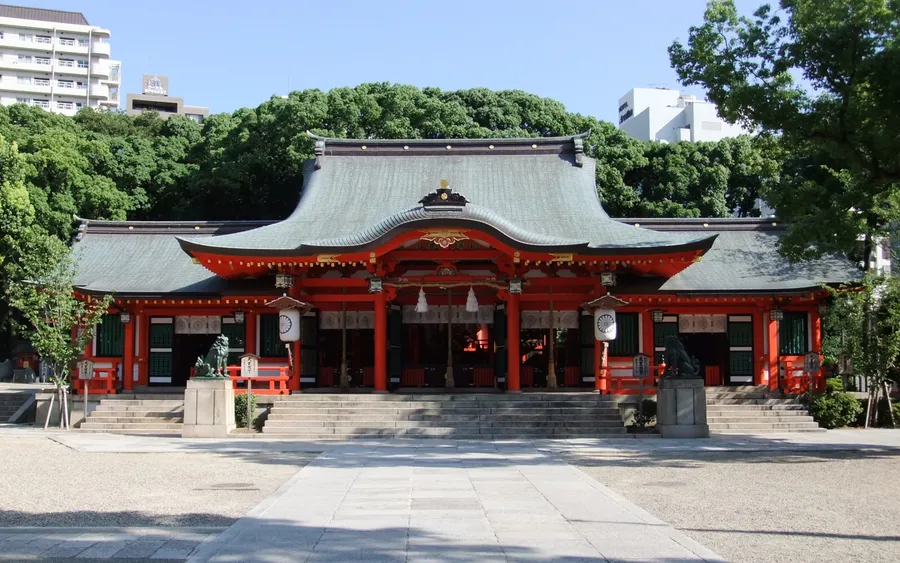
  1. Ikuta Shrine main hall, Kobe1

    Ikuta Shrine

    Ikuta Shrine is one of Japan's oldest, said to date back to around 201 AD, and it's the reason Kobe is called Kobe at all — the name derives from 'Kanbe,' the households historically assigned to maintain the shrine. Tucked into the middle of downtown near Sannomiya, its vermilion buildings and small forest feel like a deliberate pause from the surrounding shopping streets, and it draws steady visits for love-fortune charms tied to its enshrined deity. Despite its age, the current buildings are relatively modern reconstructions, having burned during World War II and again been damaged in the 1995 earthquake — a quiet marker of how much of central Kobe has had to be rebuilt at least once.

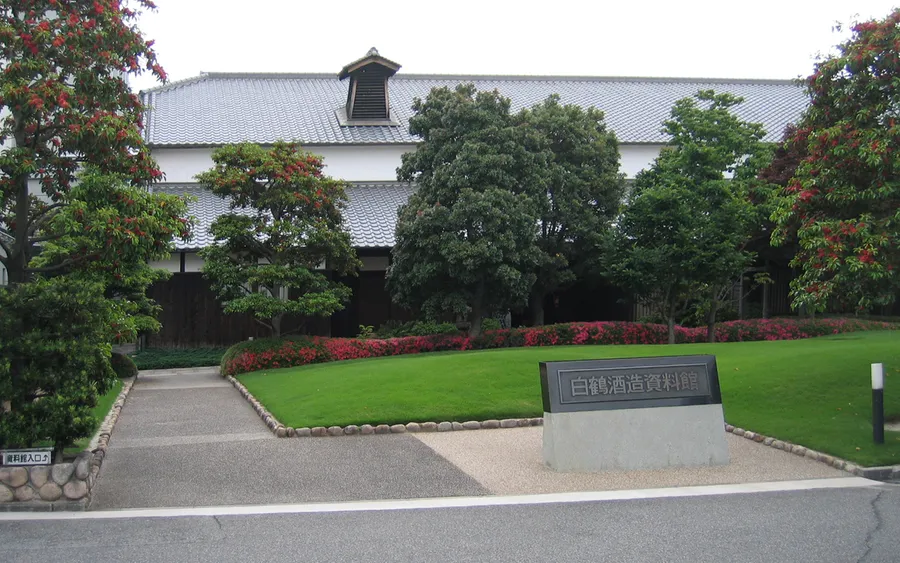
  2. Hakutsuru Sake Brewery Museum building, Nada district, Kobe2

    Nada Sake District & Hakutsuru Brewery Museum

    The Nada district east of central Kobe is considered Japan's leading sake-producing region, home to more than 40 breweries drawing on the same cold mountain water flowing down from Mount Rokko. Hakutsuru Sake Brewery Museum, set in a preserved white-walled brewery building, walks visitors through the traditional brewing process with old tools and equipment on display, ending in a small tasting room. It's an easy way to understand why this unassuming stretch of Kobe has quietly supplied so much of the country's sake for centuries, without needing to plan a full brewery-hopping day.

    9:30 AM – 4:30 PM, last admission 4:00 PM; closed around New Year and Obon4-5-5 Sumiyoshiminami-machi, Higashinada-ku, Kobe, Hyogo 658-0041

Food

Certified Kobe beef and the bakery and coffee culture the city helped establish nationwide.

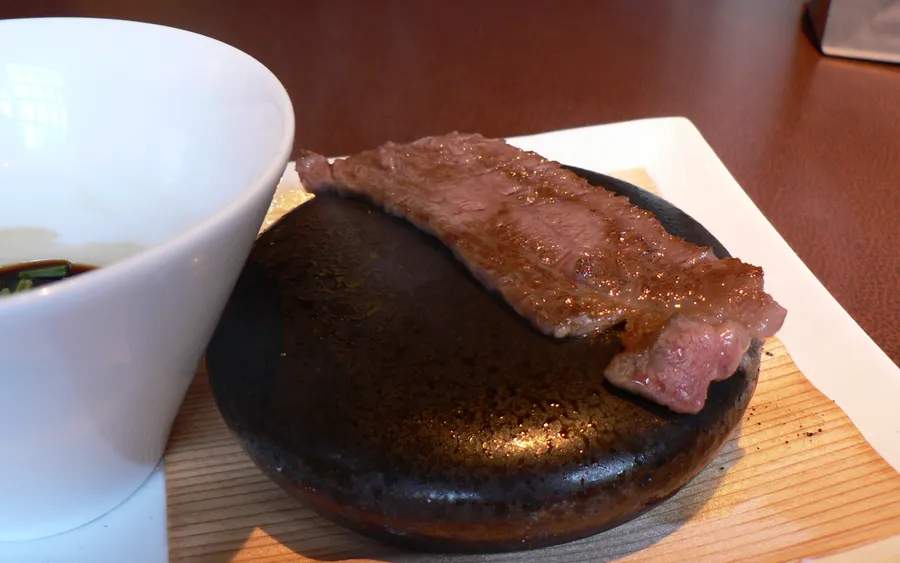
  1. Kobe beef seared on a hot stone, ishiyaki style1

    Kobe Beef

    Kobe beef is one of the most strictly regulated wagyu brands in Japan — only purebred Tajima-lineage cattle born, raised, and slaughtered within Hyogo Prefecture qualify, and only around 3,000 to 5,000 head meet the marbling and grading standards in a given year. The city serves it every way imaginable, from formal teppanyaki counters where a chef grills it tableside to smaller sushi and steak-set restaurants throughout Sannomiya and the old foreign quarter. A teppanyaki dinner is the classic way to experience it — watching the marbled cuts sear is half the appeal, and the difference in texture from ordinary beef is obvious within the first bite.

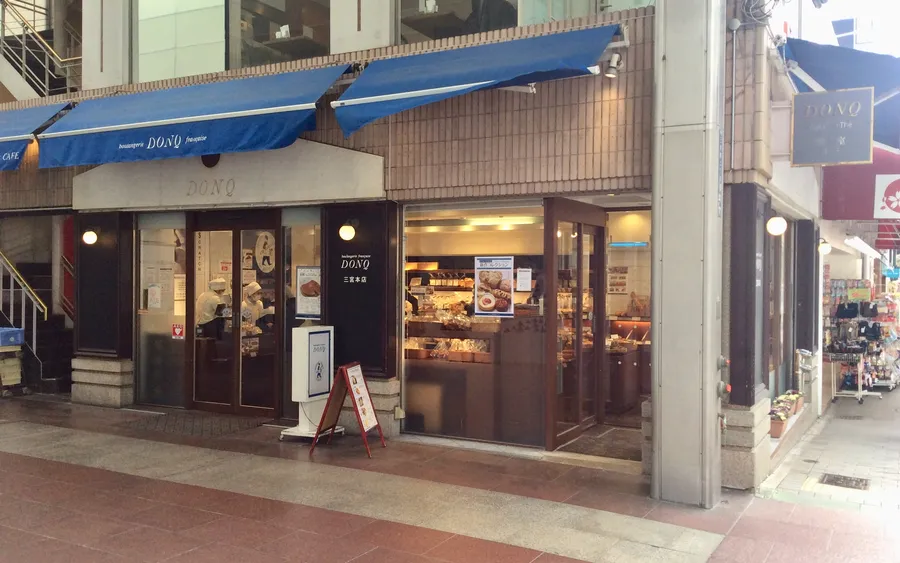
  2. DONQ bakery storefront in Sannomiya, Kobe2

    Kobe's Bakery & Coffee Culture

    Kobe is widely credited as the birthplace of Japan's modern coffee culture, and it's home to UCC, the country's largest coffee company, a legacy that traces back to the European traders who settled here after the 1868 port opening. That same history shaped the city's bread scene — bakeries founded by European bakers near the old foreign settlement earned Kobe a lasting reputation as one of Japan's leading bread cities, with long-running names like DONQ, founded in Kobe in 1905, still running French-style boulangeries around Sannomiya. It's a low-key way to spend a morning between bigger sights: a pastry and a coffee at a bakery that's been doing this for over a century.

Keep reading

More guides you might like

Nearby

Related destinations

Continue

Related services

Easy Travel in Japan