 Easy Travel in Japan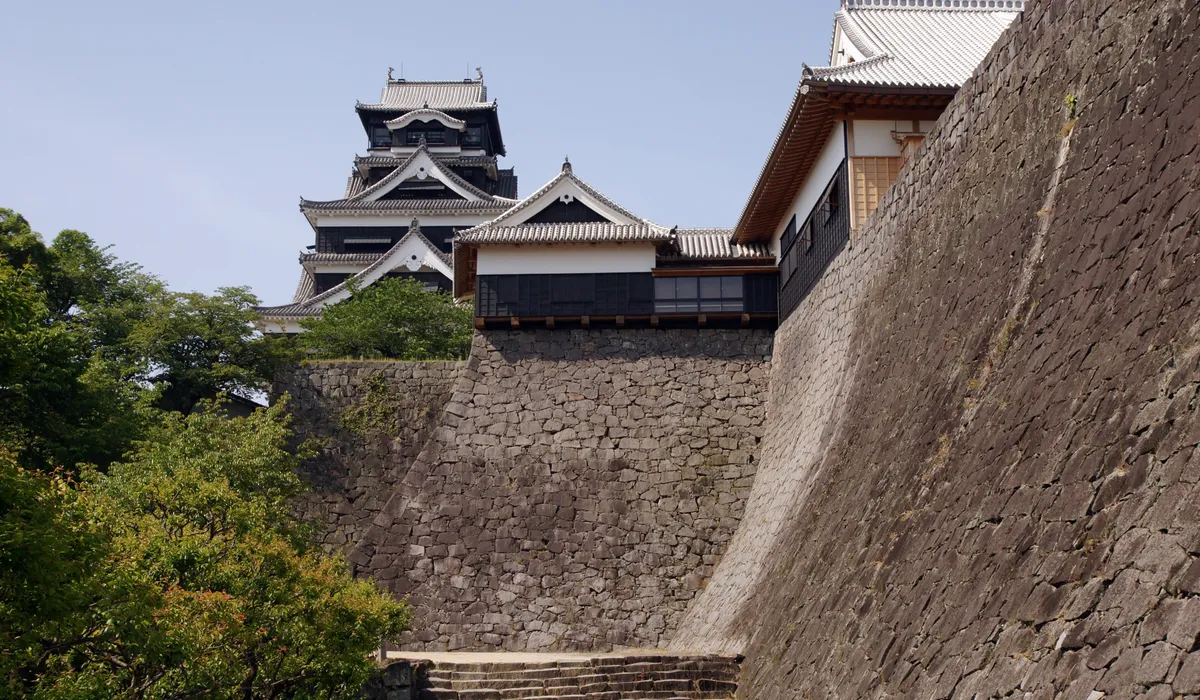
Kumamoto
A castle city on Kyushu's west coast, home to one of Japan's largest and most complete castles.
Kumamoto is a city on Kyushu’s west coast, built around a castle that daimyo Kato Kiyomasa completed in 1607 into one of Japan’s largest and most sophisticated fortresses, with 49 turrets and 47 gates. Control passed to the Hosokawa clan less than 50 years later, who ruled from the castle for roughly two centuries until the Meiji Restoration. The city has weathered repeated setbacks to that legacy — the original keep burned in 1877 during the Satsuma Rebellion, the 2016 Kumamoto earthquakes caused extensive structural damage, and a magnitude-7.1 earthquake in late July 2026 caused further damage, with the castle reopening to visitors on August 13, 2026 after safety inspections. Each time, the city has rebuilt, and the castle’s own restoration has become something of a symbol of that resilience.
Highlights & things to do
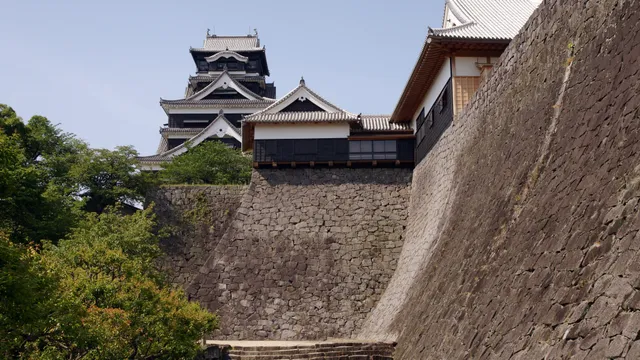
Kumamoto Castle is often grouped among Japan’s finest castles, though which trio exactly varies by source — some pair it with Himeji and Matsumoto, others with Osaka and Nagoya. Its main keep towers were fully reconstructed and reopened with seismic reinforcement by 2021 after the 2016 quakes; given the 2026 earthquake, visitors should check current access to specific structures before planning a visit. Suizenji Jojuen Garden, an Edo-period strolling garden begun in 1632, recreates the 53 post stations of the old Tokaido road in miniature, complete with a grass mound standing in for Mount Fuji. The Kyu-Hosokawa Gyobutei, a former high-ranking samurai residence originally built in 1648, has been closed for repair since the 2016 earthquakes.
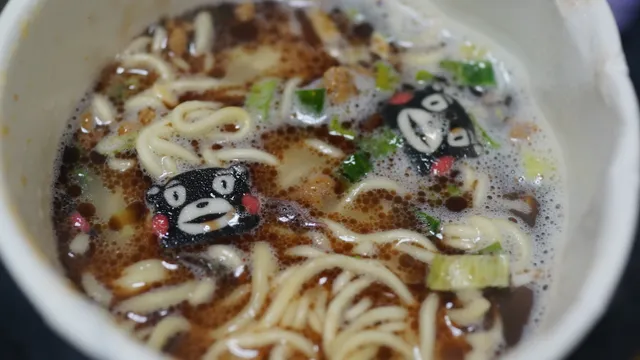
Kumamon, the prefecture’s official mascot created in 2010, became a genuine economic phenomenon after winning Japan’s national mascot competition in 2011, generating billions of yen in merchandise sales in its first years alone.
Food & local cuisine
Basashi, thinly sliced raw horse meat served with onion, ginger, and sweet soy sauce, is Kumamoto’s signature dish — the region is Japan’s largest producer of horse meat, a tradition that gained wider popularity from postwar food shortages in the nearby Aso horse-breeding area. Taipien, a Chinese-origin noodle dish of translucent bean-starch vermicelli in broth, and karashi renkon, lotus root stuffed with mustard-miso paste and deep-fried, are both genuine regional specialties dating to the Edo period. Kumamoto ramen blends pork and chicken bone broth for a milder profile than Hakata’s, topped with charred garlic oil.
Culture & traditions
Kato Kiyomasa’s legacy extends well beyond the castle — his flood-control and land-reclamation engineering, including a canal system still in use today, helped found the region’s agricultural base, and he’s still venerated locally at Kato Shrine. Kumamoto City is the only Japanese city of over 500,000 people that relies entirely on natural groundwater for its municipal supply, drawn from aquifers recharged by the Aso caldera, and the tap water is reportedly more mineral-rich than typical bottled water.
Nature & scenery
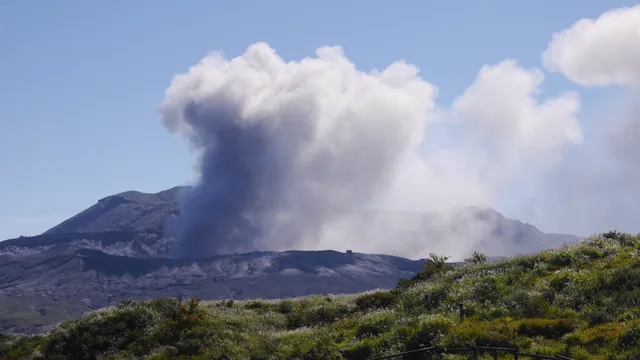
Suizenji Jojuen Garden offers a serene center-city landscape. Mount Aso, roughly 1.5 hours away by car, sits within one of the world’s largest volcanic calderas, up to 25 km across; note that as of mid-2026 the volcanic alert level has restricted close approach to the crater itself, though the surrounding Kusasenri plateau and visitor facilities remain open.
Seasonal travel
Spring cherry blossoms bloom at Kumamoto Castle, which has around 800 trees and is listed among Japan’s official Top 100 Cherry Blossom Spots, generally peaking late March to early April. Mid-September brings the Fujisaki Hachimangu Grand Fall Festival, a street parade in samurai costume. Autumn offers comfortable temperatures for touring the castle grounds and Suizenji Garden.
Recommended experiences
Walk the castle grounds — check current access given the 2026 earthquake. Stroll Suizenji Jojuen’s miniature Tokaido landscape. Day-trip to Mount Aso for the volcano museum and Kusasenri plateau. Try basashi, taipien, and garlic-oil ramen around the castle’s Josaien dining complex.
Getting there & practical info
The Kyushu Shinkansen’s fastest Mizuho service reaches Kumamoto from Fukuoka’s Hakata Station in around 32–33 minutes. Kumamoto Airport connects domestically and to several international destinations including Seoul, Shanghai, and Taipei. A rental car is the most practical way to reach Mount Aso, since public transit can take around three hours each way.
Who this suits
A strong fit for history and castle enthusiasts, adventurous food travelers ready to try basashi, nature and volcano travelers heading to Mount Aso, and anyone building a multi-city Kyushu itinerary between Fukuoka and Kagoshima.
A closer look at Kumamoto
9 Best Things to Do in Kumamoto
A quick, friendly rundown of one of Japan's largest and most storied castles, a strolling garden shaped like the old Tokaido road in miniature, the volcanic caldera an hour away, and the mustard-stuffed lotus root and garlic-forward ramen that make Kumamoto's table one of Kyushu's most distinctive — a good starting point for a first visit to this castle city on Kyushu's west coast.
The Perfect 2-Day Kumamoto Itinerary
Two well-paced days: Kumamoto Castle, Kumamoto ramen, Suizenji Jojuen Garden, Kumamon Square, and basashi and karashi renkon on day one, then a full day driving out to Mount Aso and the Kusasenri plateau on day two.
The Ultimate Kumamoto Travel Guide
A castle city on Kyushu's west coast, home to one of Japan's largest and most storied castles, a strolling garden shaped like the old Tokaido road in miniature, and the volcanic caldera that supplies the city's famously clear tap water — plus Kumamon, the mascot that became a national phenomenon, and the horse sashimi, mustard-stuffed lotus root, and garlic-forward ramen that make Kumamoto's table one of Kyushu's most distinctive.
Related destinations
Useful services for this trip
Train Tickets
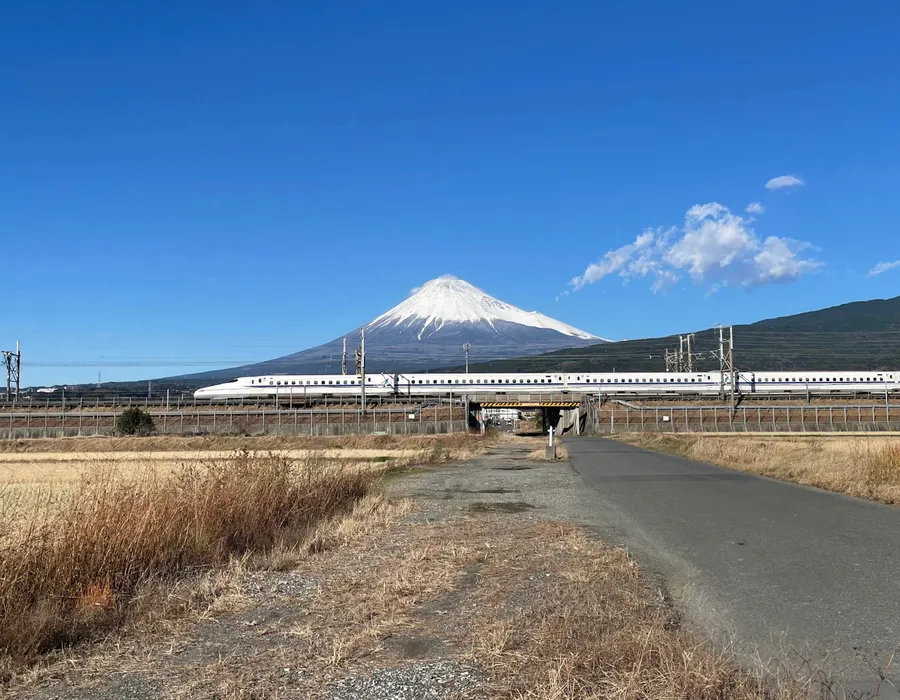
Book shinkansen and local rail tickets in advance and skip the station ticket-counter queue.
Explore Train Tickets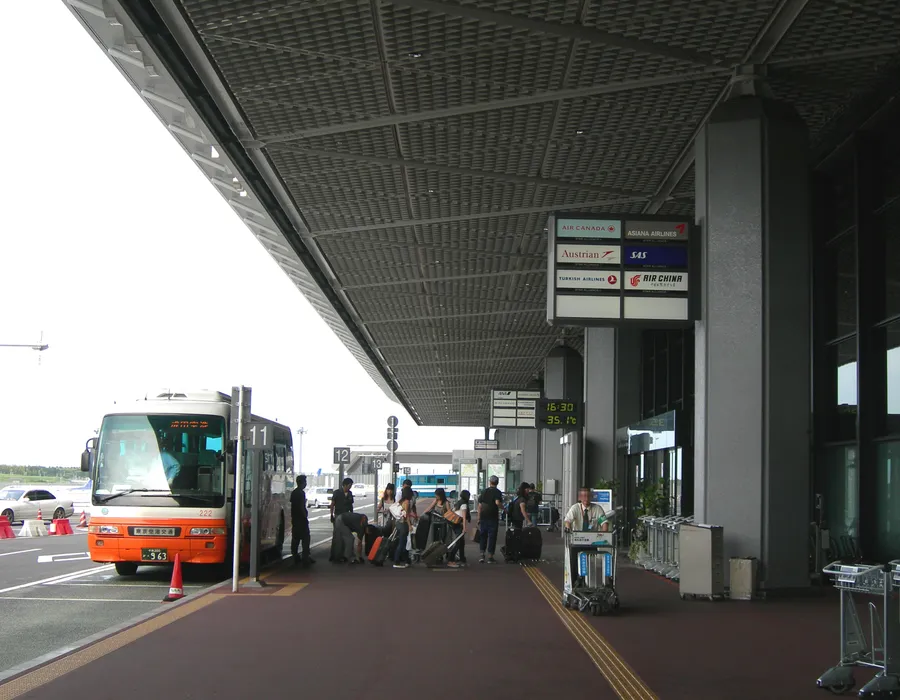
Airport Transfers
Book a fixed-price transfer from Haneda or Narita so arrival day is one less thing to figure out.
Explore Airport Transfers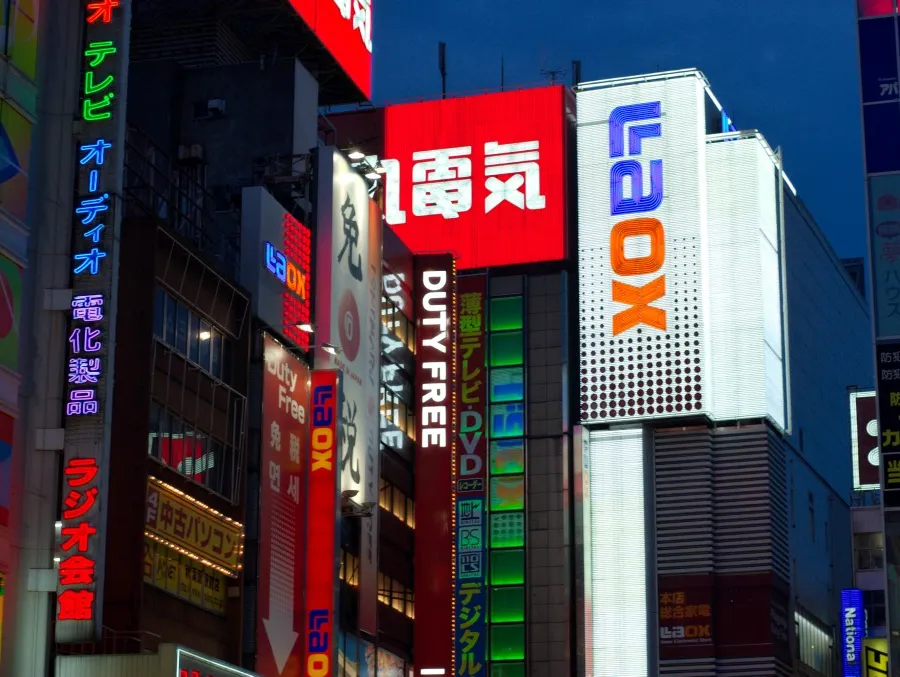
eSIM & Wi-Fi
Stay connected in Japan with an eSIM or pocket Wi-Fi, without hunting for a local SIM shop.
Explore eSIM & Wi-Fi