Skip to content
Easy Travel in Japan
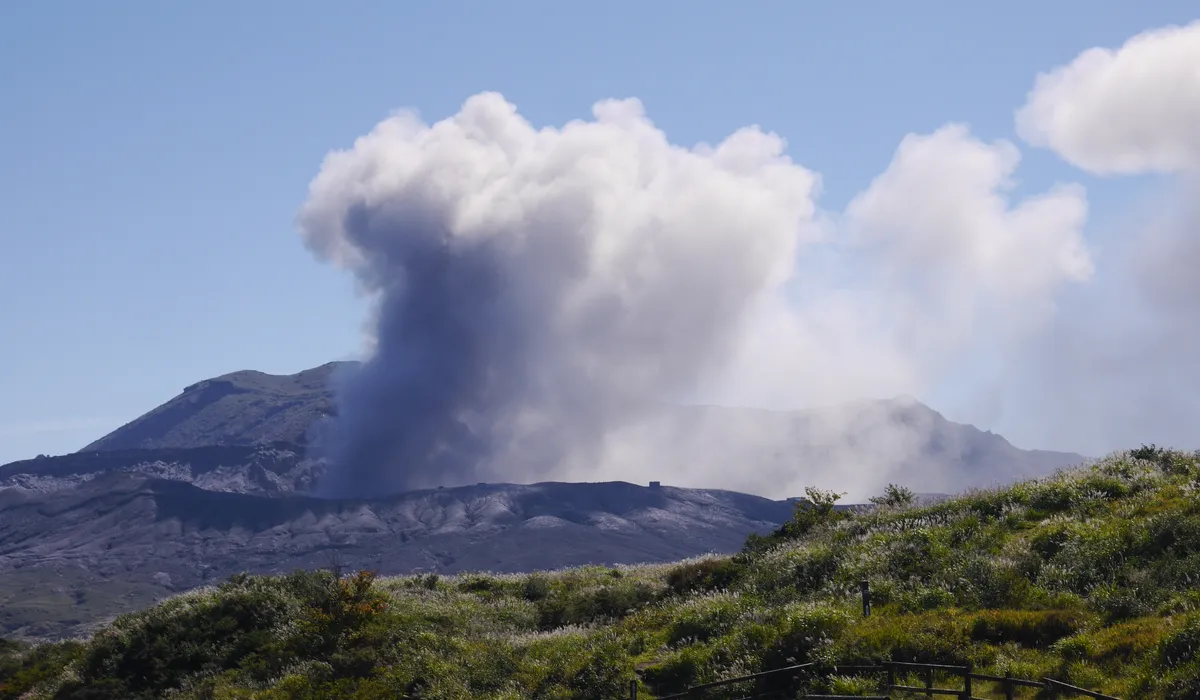
Nakadake crater viewed from Kusasenri

The Perfect 2-Day Kumamoto Itinerary

Kumamoto splits cleanly into two very different days: a compact, walkable city core built around the castle, the garden, and Kumamon, and a full day out to Mount Aso, one of the largest volcanic calderas on Earth and close enough to make a comfortable day trip by car. It’s built as a standalone two-day trip, but Kumamoto’s position on the Kyushu Shinkansen means either day works just as well as a stop between Fukuoka and points further south on the island.

Day 1: Kumamoto City

The castle, the garden, the mascot, and the food that make central Kumamoto worth a full day on its own.

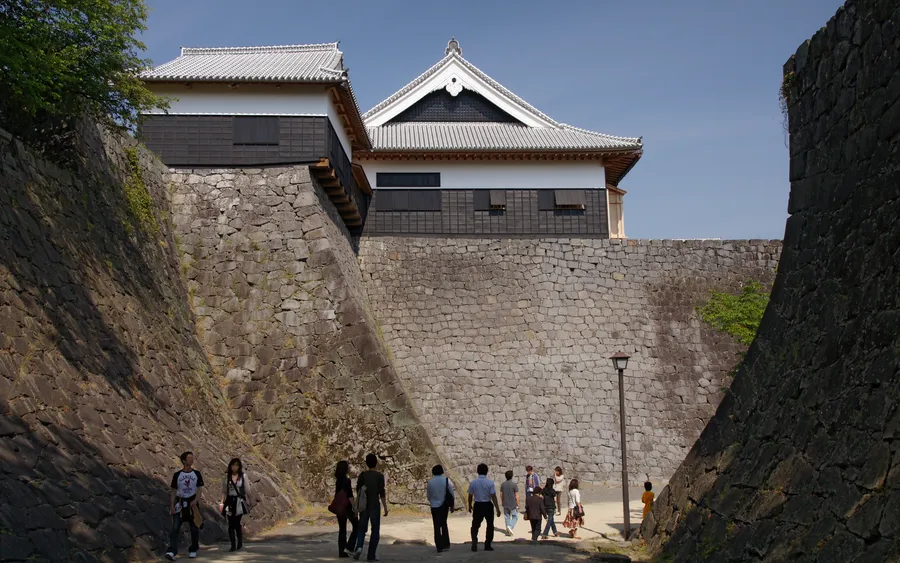
  1. Kumamoto Castle1

    9:00 AM — Kumamoto Castle

    Start at Kumamoto Castle, completed in 1607 by Kato Kiyomasa as one of Japan's largest fortresses, with 49 turrets and 47 gates at its peak. The main keep reopened in April 2021 after seismic-reinforced restoration from the 2016 earthquakes, and reopened again in August 2026 following a magnitude-7.1 quake that July — check current access to specific structures before visiting, and budget at least 90 minutes for the keep and the Honmaru grounds, including Kato Shrine, dedicated to the castle's builder.

    9:00 AM – 5:00 PM (Sep–Jun), 9:00 AM – 7:00 PM (Jul–Aug); ¥800 adult admission; check current access before visiting1-1 Honmaru, Chuo-ku, Kumamoto 860-0002
  2. Kumamoto ramen2

    11:30 AM — Kumamoto Ramen Lunch

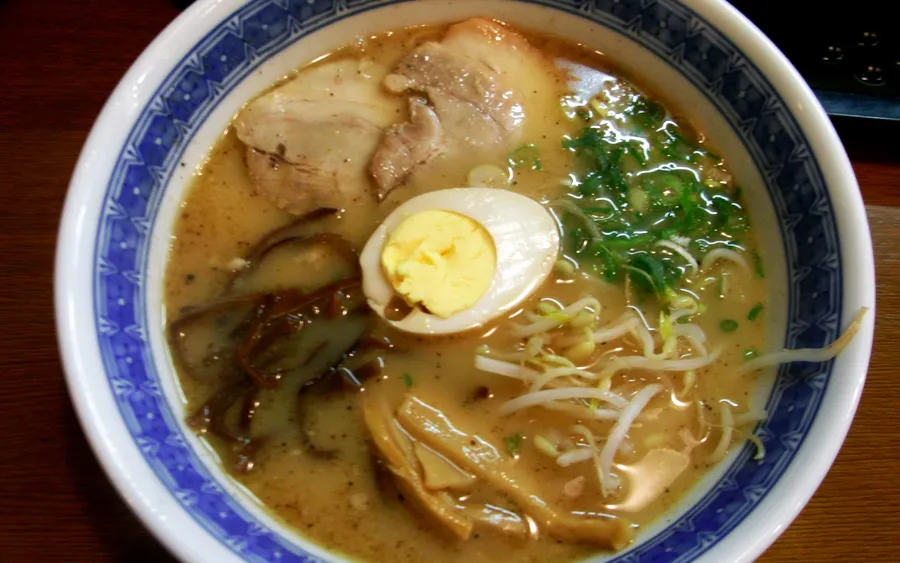
    Break for Kumamoto ramen, a milder pork-and-chicken broth than Hakata's tonkotsu, finished with mayu, a smoky black garlic oil developed locally at the shop Keika. Shops cluster around the castle's Josaien dining complex and downtown Kumamoto, an easy walk from the castle grounds.

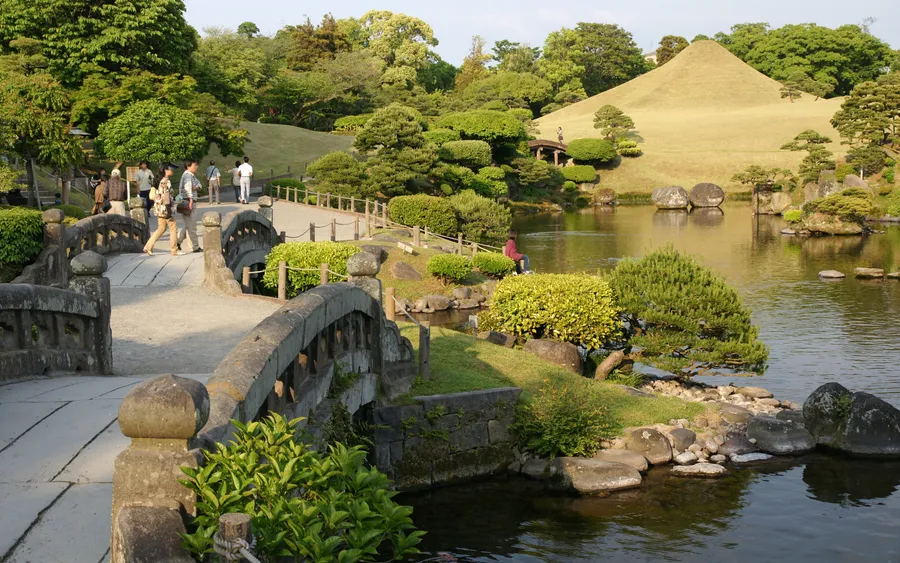
  3. Suizenji Jojuen Garden, Kumamoto3

    1:00 PM — Suizenji Jojuen Garden

    Take the tram out to Suizenji Jojuen, a strolling garden begun in 1632 that recreates the 53 post stations of the old Tokaido road in miniature, its grassy cone-shaped hill standing in for Mount Fuji. Walk the full loop at an unhurried pace — the garden's spring-fed pond is filled with the same clear groundwater the whole city draws its tap water from.

    8:30 AM – 5:00 PM daily; ¥400 adult admission8-1 Suizenji-koen, Chuo-ku, Kumamoto 862-0956
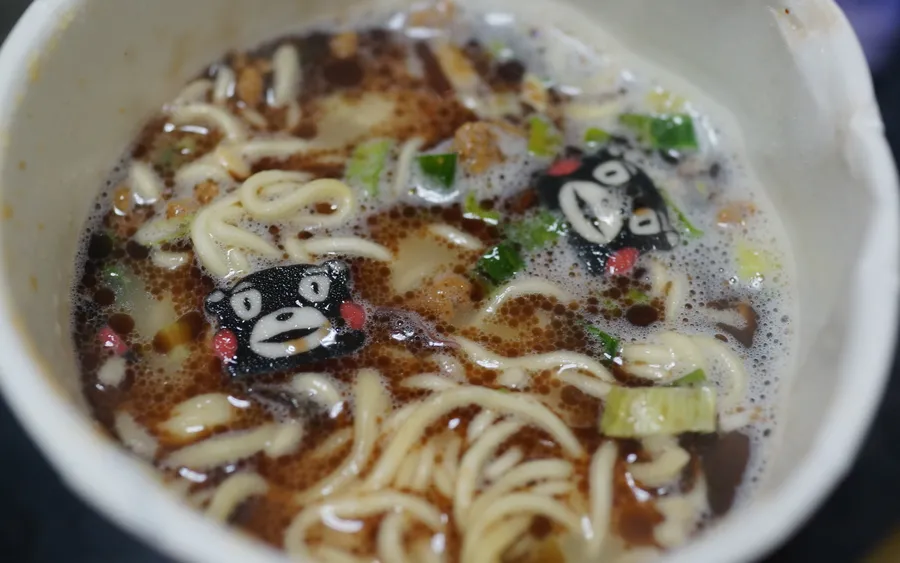
  4. Kumamon, Kumamoto's mascot4

    3:00 PM — Kumamon Square

    Head back toward the castle for Kumamon Square, a dedicated shop and event space for Kumamoto's round-cheeked mascot, created in 2010 and now one of Japan's most recognizable prefectural symbols. Check the schedule for a Kumamon appearance — the bear makes semi-regular public appearances here — and pick up merchandise, since the character's free commercial licensing means Kumamon goods are sold nearly everywhere, though Kumamon Square has the widest selection under one roof.

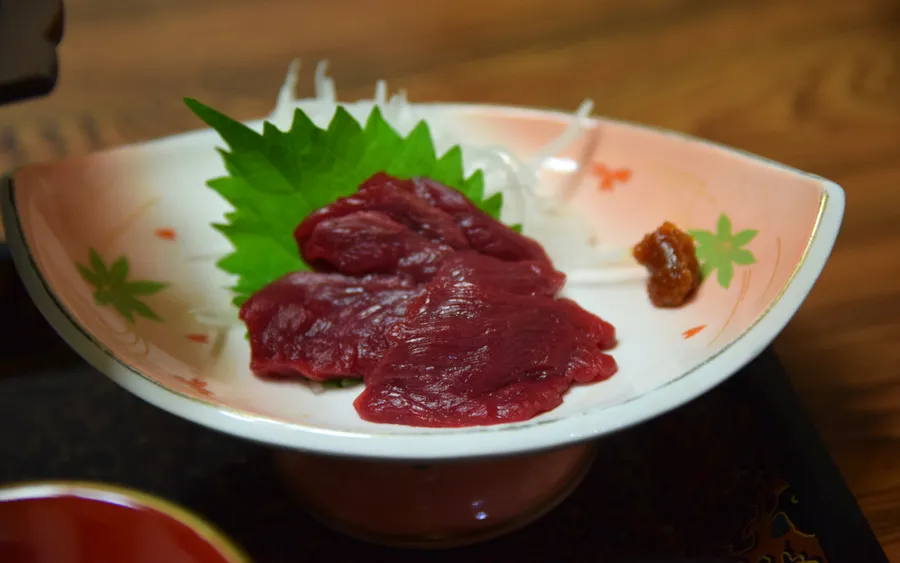
  5. Horse meat sashimi (basashi)5

    6:00 PM — Basashi & Karashi Renkon Dinner

    Close out the day with two of Kumamoto's signature dishes: basashi, thinly sliced raw horse meat dipped in sweet soy sauce with ginger and garlic, and karashi renkon, deep-fried lotus root stuffed with a mustard-spiked miso paste, sliced to show the paste spiraling through the root. Both are easy to find at izakayas around the castle and downtown, and pairing them at one meal is the classic way locals introduce visitors to Kumamoto's stranger, more distinctive specialties.

Day 2: Mount Aso Day Trip

A full day out to one of the world's largest volcanic calderas, close enough to Kumamoto to make it a comfortable day trip.

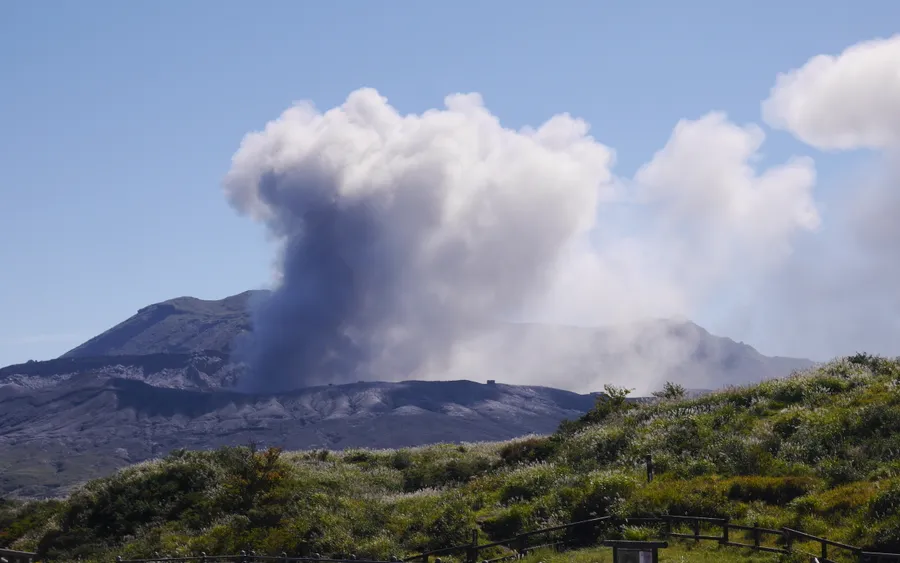
  1. Nakadake Crater from Kusasenri viewpoint, Mount Aso1

    9:00 AM — Kusasenri Plateau & Aso Volcano Museum

    Rent a car for the roughly 90-minute drive out to Mount Aso — public transit can take up to three hours each way, so driving is genuinely the practical option here. The road climbs steadily out of the city into farmland and then the caldera itself, a basin up to 25 kilometers across formed by eruptions beginning some 270,000 years ago, before opening onto the broad grassy Kusasenri plateau, where grazing horses and two shallow ponds sit beside the Aso Volcano Museum, worth an hour to understand the geology of the ground you're standing on.

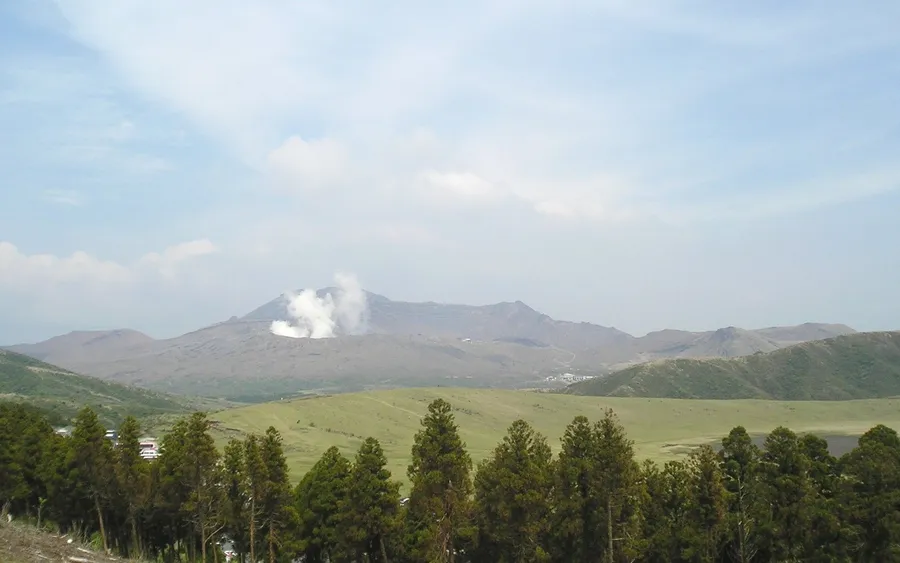
  2. Nakadake crater viewed from Kusasenri2

    11:00 AM — Nakadake Crater

    From Kusasenri, continue on toward Nakadake, the caldera's currently active crater and one of the few volcanic craters in the world regularly open for close public viewing when conditions allow. Check the current volcanic alert level before setting out, since access to the crater rim is periodically restricted — even from a distance, the sight of an active volcanic crater steaming inside a caldera this vast is worth the trip on its own.

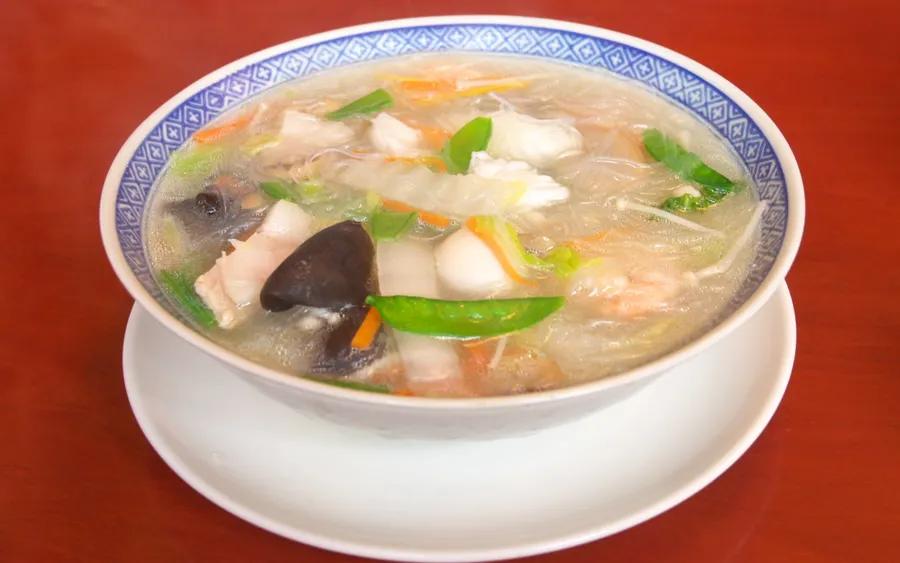
  3. Taipien, Kumamoto3

    1:30 PM — Taipien Lunch on the Way Back

    Stop for taipien on the drive back into Kumamoto, a light noodle soup built on translucent bean-starch vermicelli rather than wheat noodles, brought from China's Fujian province in the Meiji era and adapted into a dish now considered purely Kumamoto's own. It's a gentler way to close out a day spent outdoors than the city's heavier specialties, and an easy find at restaurants along the main road back from Aso.

Keep reading

More guides you might like

Nearby

Related destinations

Continue

Related services

Easy Travel in Japan