Skip to content
Easy Travel in Japan
Fukuoka Tower

The Perfect 2-Day Fukuoka Itinerary

Fukuoka rewards two full days more than its reputation as a quick Kyushu stopover suggests. This itinerary spends day one in Hakata and central Fukuoka, covering the shrine, the castle ruins, ramen, and an evening yatai crawl, then heads out to Dazaifu on day two before circling back for motsunabe, mentaiko, and a sunset at Fukuoka Tower. It’s built as a standalone two-day trip, but Fukuoka’s role as Kyushu’s transport hub means either day works just as well as the start or end of a longer trip across the island.

Day 1: Hakata & Central Fukuoka

The shrine, the shopping complex, the castle ruins, and the ramen and yatai stalls that make central Fukuoka worth a full day on its own.

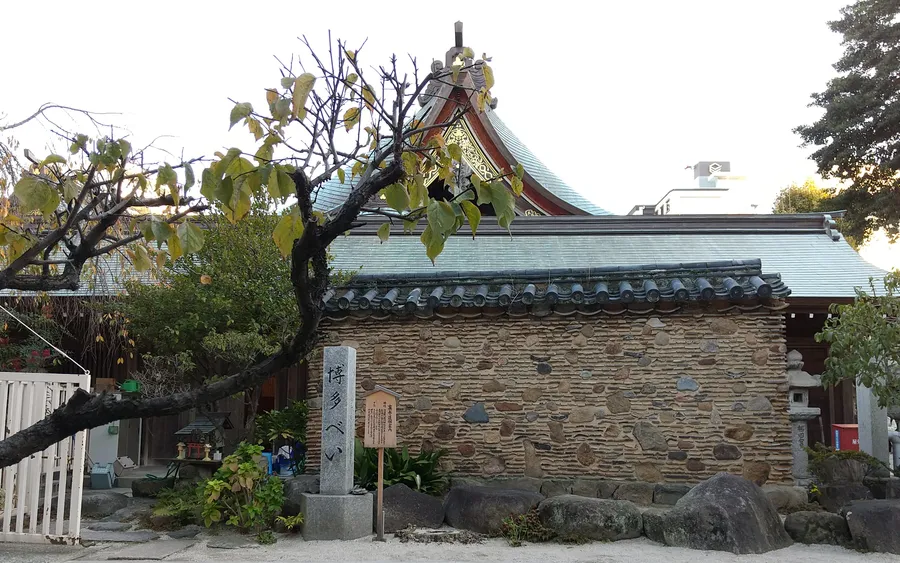
  1. Kushida Shrine, Hakata Wall and inner sanctuary1

    9:00 AM — Kushida Shrine

    Start at Kushida Shrine, a short walk from Hakata Station and the spiritual heart of old Hakata since at least the 8th century. Even outside the festival's June preparation period, a 13-meter kazariyama float stands on permanent display in the shrine's corridor, giving an early look at the elaborate craftsmanship behind July's Hakata Gion Yamakasa before you've seen the festival itself.

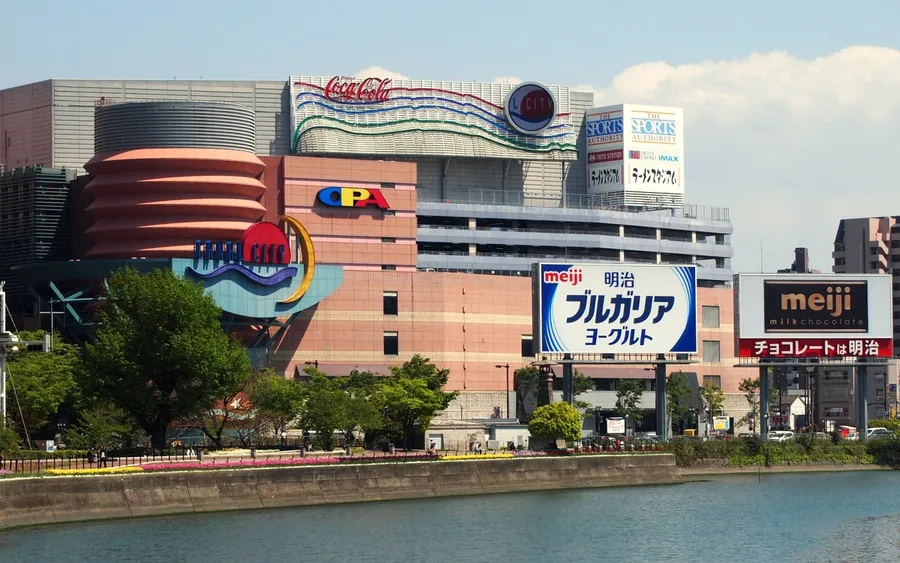
  2. Canal City Hakata, Fukuoka2

    10:00 AM — Canal City Hakata

    A short walk south, Canal City Hakata's curving artificial waterway, fountain shows, and roughly 250 shops make for an easy hour of browsing, and its Ramen Stadium food court is worth noting now even if you're saving ramen for lunch elsewhere — it's a good fallback if the shop you had in mind turns out to have a long line.

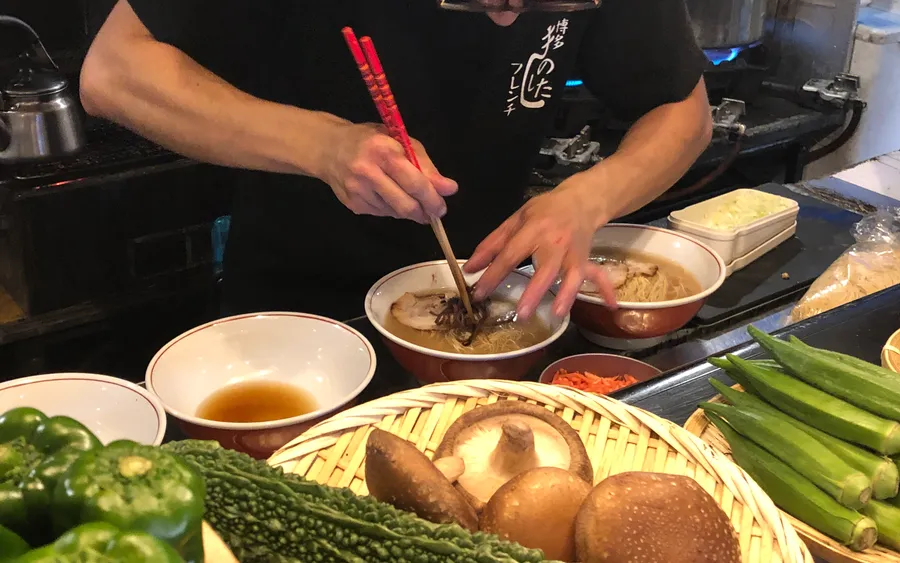
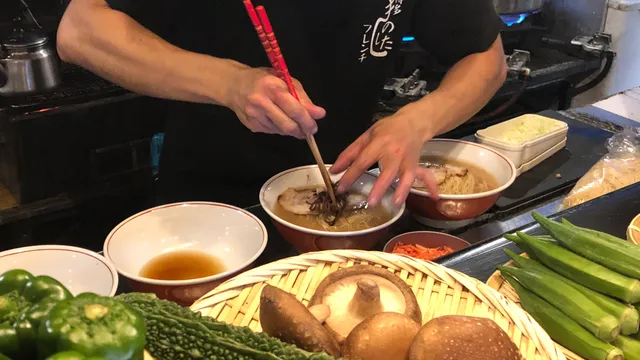
  3. Hakata ramen preparation, Yatai Keiji3

    12:00 PM — Hakata Ramen Lunch

    Break for Hakata ramen, the rich, milky tonkotsu broth this city is famous for, at one of the countless shops around Hakata Station or Nakasu. Specify your noodle firmness when you order — barikata (firm) is the local default — and don't be shy about ordering kaedama, a fresh serving of noodles to drop into whatever broth is left once the first bowl is gone.

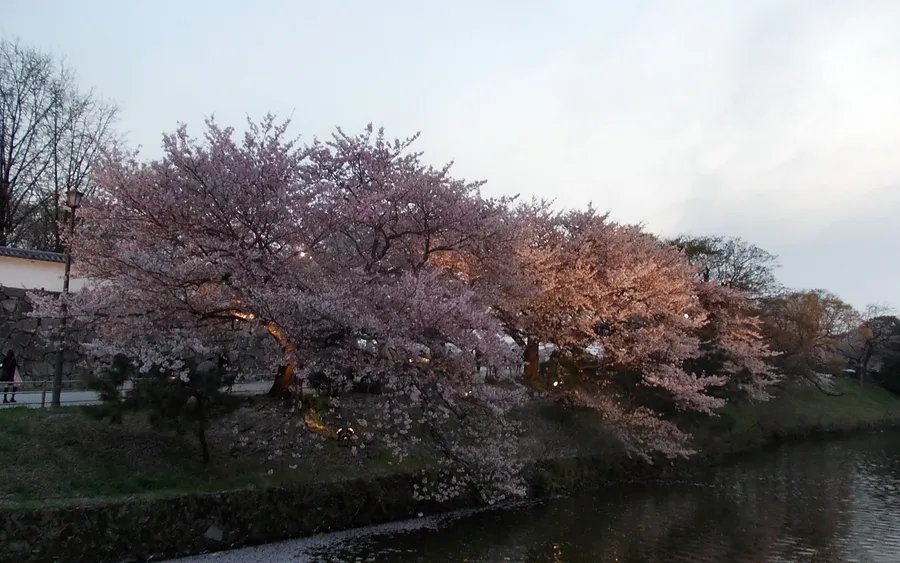
  4. Cherry blossoms at Fukuoka Castle ruins4

    1:30 PM — Fukuoka Castle Ruins & Ohori Park

    Take the subway to Ohorikoen Station for Fukuoka Castle's ruins, set within Maizuru Park, and the adjoining Ohori Park, built on the castle's former outer moat since 1929. Walk the surviving Tamon Yagura turret and the old stone walls, then loop around Ohori Park's pond and islands — a relaxed couple of hours that works just as well as a picnic break as a sightseeing stop.

    Park grounds: always open1-4 Jonai, Chuo-ku, Fukuoka 810-0043
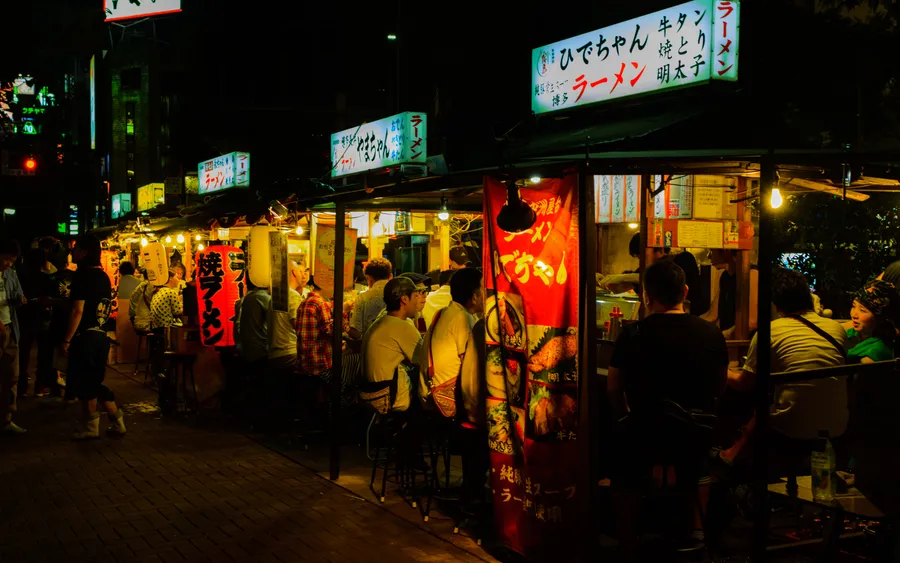
  5. Nakasu yatai stalls, Fukuoka5

    7:00 PM — Yatai Crawl in Nakasu

    As evening falls, head to Nakasu, where portable yatai stalls set up along the Naka River each night, part of the roughly 100 stalls that make Fukuoka the last Japanese city with open-air street food surviving at real scale. Move between two or three stalls over the evening rather than settling into one — a dish and a drink at each is the normal way to do it, and the tight, shoulder-to-shoulder seating makes striking up a conversation with whoever's next to you almost unavoidable.

Day 2: Dazaifu & Local Flavors

A morning trip to Japan's head shrine of scholarship, then an afternoon and evening back in the city for the food and views that close out a trip well.

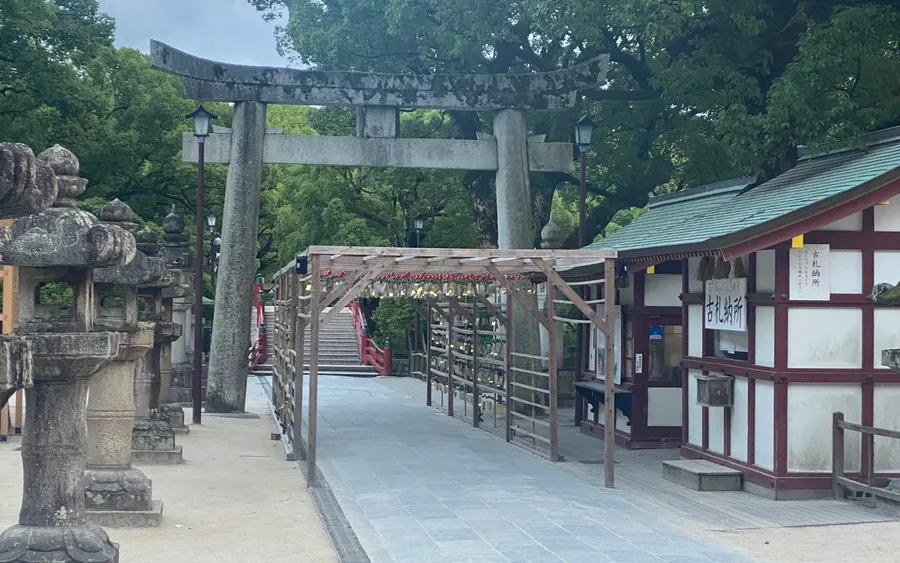
  1. Dazaifu Tenmangu1

    9:00 AM — Dazaifu Tenmangu

    From Nishitetsu Fukuoka (Tenjin) Station, a direct or one-transfer train reaches Dazaifu in around 20 to 30 minutes. Dazaifu Tenmangu, built over the grave of the scholar Sugawara no Michizane and now the head shrine of some 10,000 Tenmangu shrines nationwide, draws students praying for exam success alongside sightseers — budget at least two hours for the shrine grounds and the covered shopping street leading up to it, where umegae mochi, a grilled rice cake stamped with a plum-blossom crest, is the thing to eat.

    Shrine grounds: roughly 6:00 AM – 7:00 PM (varies seasonally)4-7-1 Saifu, Dazaifu 818-0117
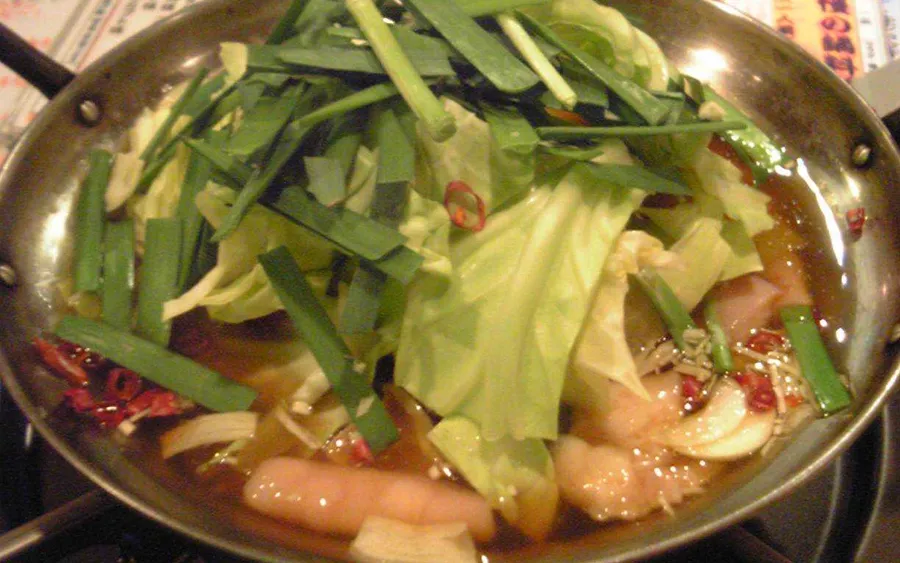
  2. Motsunabe hot pot2

    1:00 PM — Motsunabe Lunch

    Back in Fukuoka, have motsunabe for a late lunch — a hot pot of beef or pork offal simmered with garlic chives and cabbage in a soy, miso, or chili-spiked broth, a dish that grew out of postwar scarcity in Kyushu's coal-mining towns and is now one of the city's defining comfort foods. Save room, or come hungry enough, to finish the meal the traditional way: cooking noodles or rice in whatever rich broth is left in the pot.

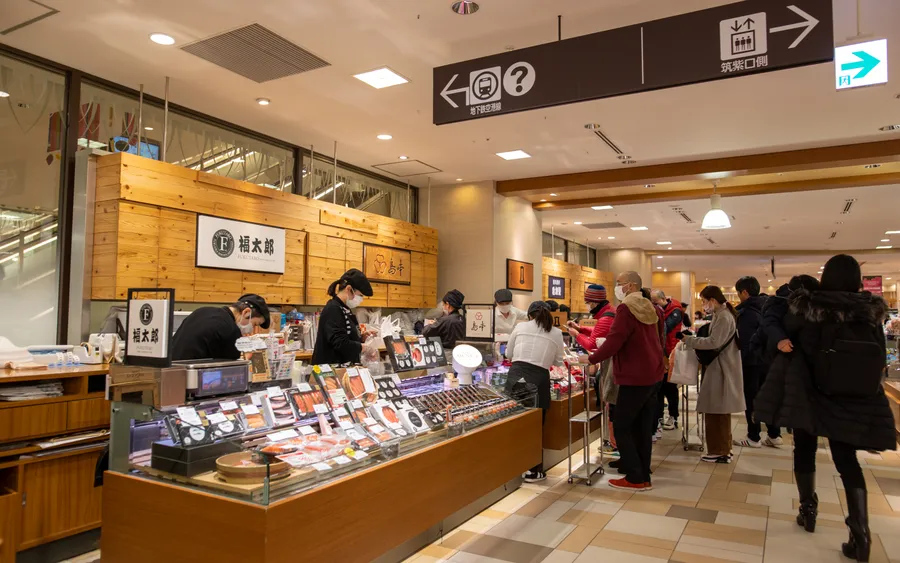
  3. Fukutaro mentaiko, Fukuoka3

    2:30 PM — Mentaiko Shopping

    Pick up mentaiko to take home — spicy marinated cod roe developed in Fukuoka in 1949 and sold everywhere from department store food halls to dedicated shops, most of which offer vacuum-sealed packs built for travel. It's the single most Fukuoka souvenir there is, and worth trying a small pack fresh over rice before deciding how much to bring home.

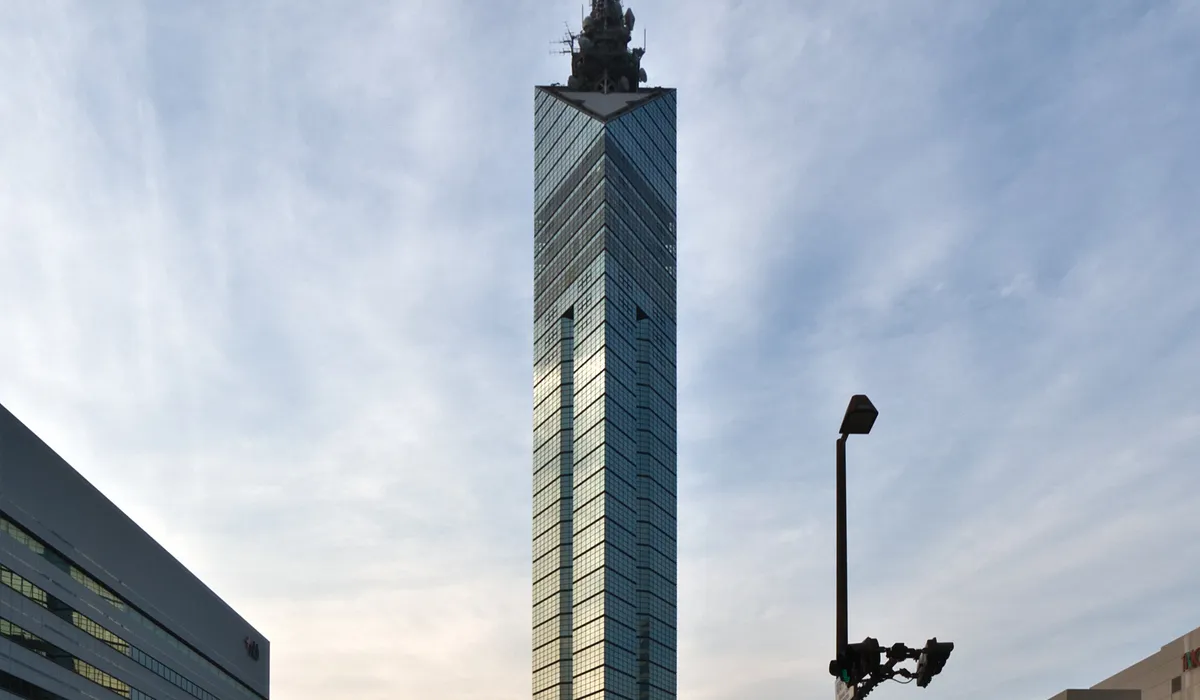
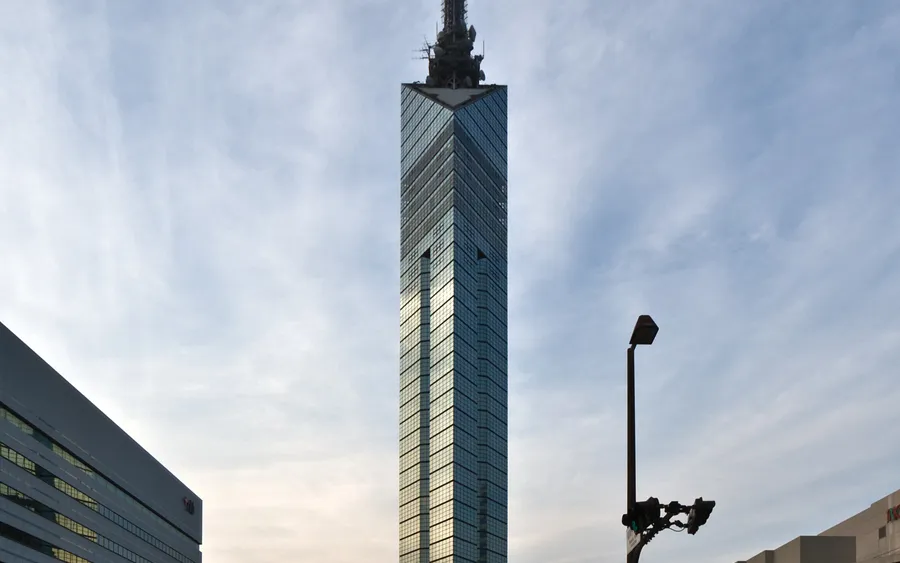
  4. Fukuoka Tower4

    6:00 PM — Fukuoka Tower & Momochi Sunset

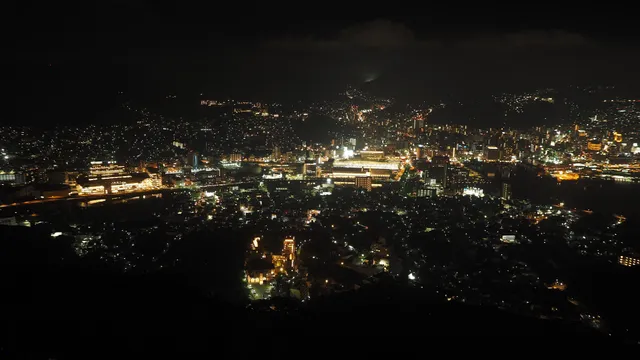
    Close out the trip at Fukuoka Tower on the Momochi waterfront, timed for sunset so the view shifts from daylight over Hakata Bay into the city's lit-up skyline. At 234 meters it's Japan's tallest seaside tower, and its night view — close enough to the city to keep individual streets and lights legible — has been ranked among Japan's official top 100 nightscapes.

    9:30 AM – 10:00 PM, last admission 9:30 PM; ¥1,000 adult admission2-3-26 Momochihama, Sawara-ku, Fukuoka 814-0001
Keep reading

More guides you might like

Nearby

Related destinations

Continue

Related services

Easy Travel in Japan