Skip to content
Easy Travel in Japan
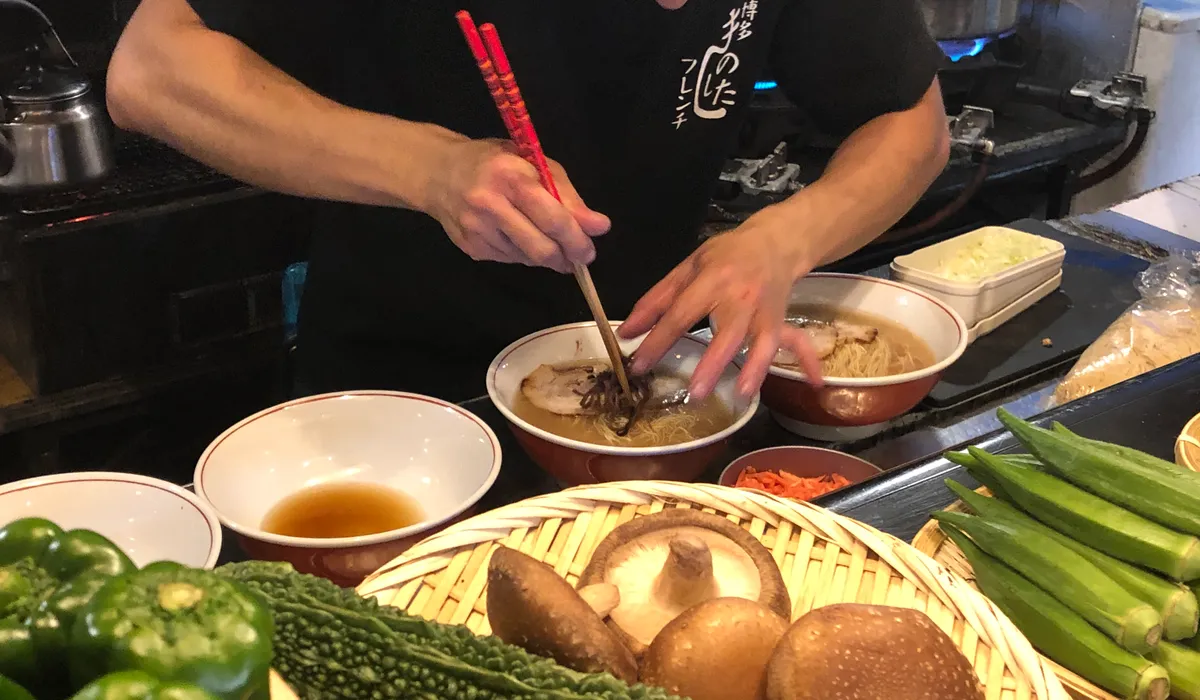
Hakata ramen preparation, Yatai Keiji

10 Best Things to Do in Fukuoka

Fukuoka punches well above its size for a city most travelers treat as Kyushu’s transport hub: castle ruins at the heart of one of the city’s best parks, a shrine that doubles as a living museum of festival craftsmanship, a seaside tower with one of Japan’s top night views, and two of the country’s biggest annual festivals a few months apart. Ten things worth building a visit around, from the shrine at the city’s spiritual center to the ramen, yatai stalls, and spicy cod roe that make Fukuoka one of Japan’s most food-obsessed cities.

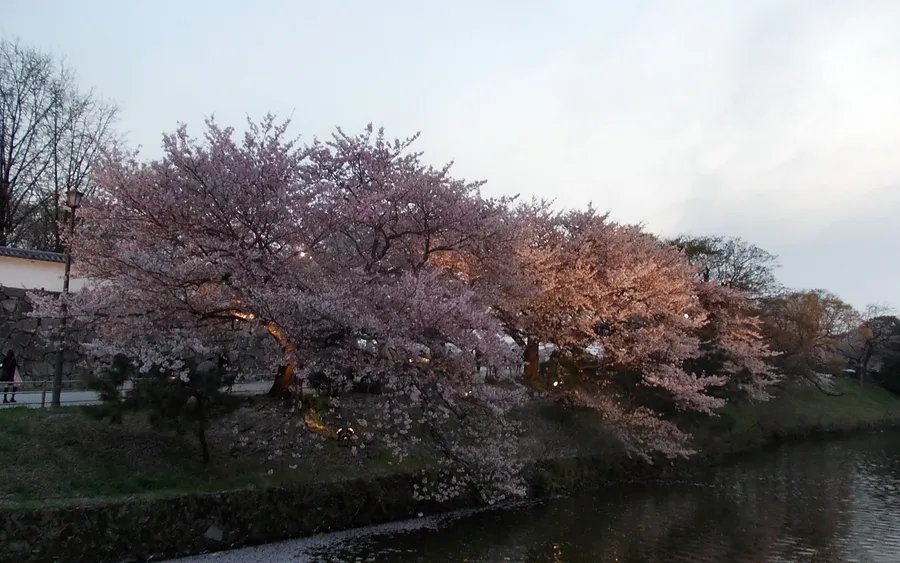
  1. Cherry blossoms at Fukuoka Castle ruins1

    Explore Fukuoka Castle Ruins & Ohori Park

    Built from 1601 by the daimyo Kuroda Nagamasa, Fukuoka Castle was one of the largest in Kyushu, with three keeps and 47 turrets at its peak, though its main tower and most structures were dismantled after the Meiji Restoration. What remains — including the Tamon Yagura turret, a nationally designated Important Cultural Property — sits within Maizuru Park, one of the city's best cherry blossom spots, while the castle's former outer moat has been developed since 1929 into Ohori Park, its large pond and island-dotted walking paths a favorite escape just 15 minutes from central Tenjin. Archaeologists uncovered the ruins of an 8th-century diplomatic guesthouse here in 1987, evidence that this stretch of Fukuoka has been receiving foreign visitors for well over a thousand years.
    Park grounds: always open; individual structures & turrets have separate hours1-4 Jonai, Chuo-ku, Fukuoka 810-0043
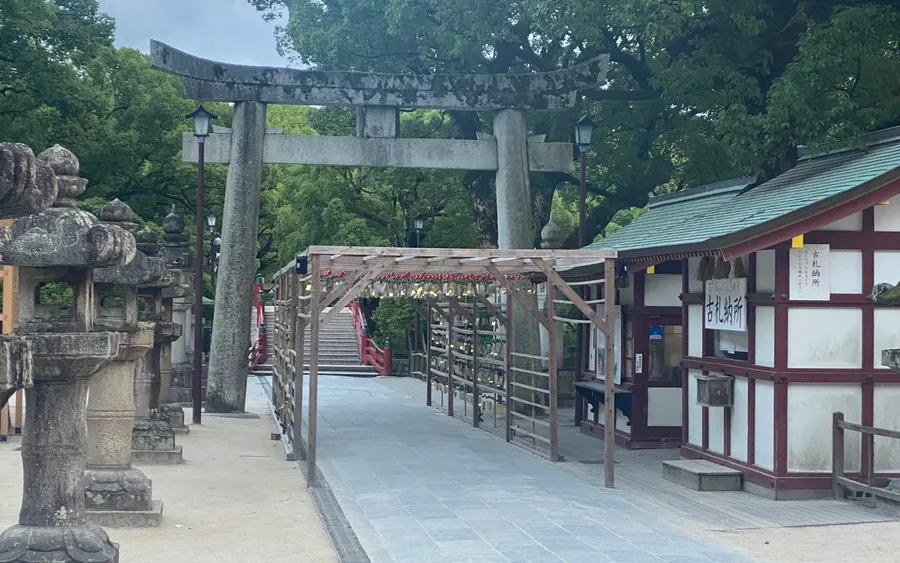
  2. Kushida Shrine, Hakata Wall and inner sanctuary2

    Visit Kushida Shrine

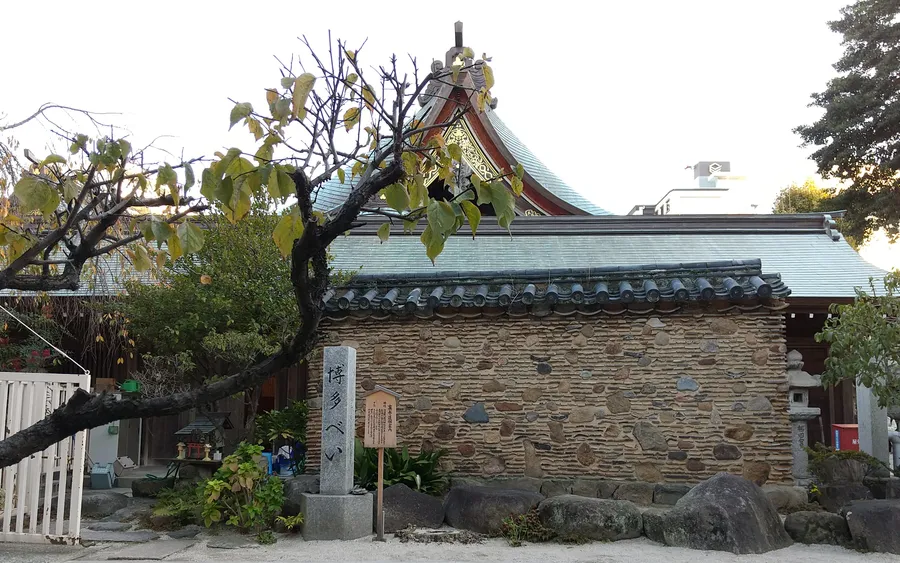
    Founded, according to tradition, in the 8th century and rebuilt in 1587 with a hall gifted by the warlord Toyotomi Hideyoshi, Kushida Shrine is Hakata's guardian shrine and the spiritual home of the Hakata Gion Yamakasa festival. Outside of the festival's June preparation period, a 13-meter kazariyama — a towering, purely decorative float built fresh each year — stands on permanent display in the shrine's covered corridor, giving visitors a close look at the elaborate craftsmanship that goes into the festival even outside July. The shrine's grounds also hold a section of the old Hakata Wall, a defensive earthwork built after the 13th-century Mongol invasions, and a well whose water is popularly said to grant long life to anyone who drinks from it.

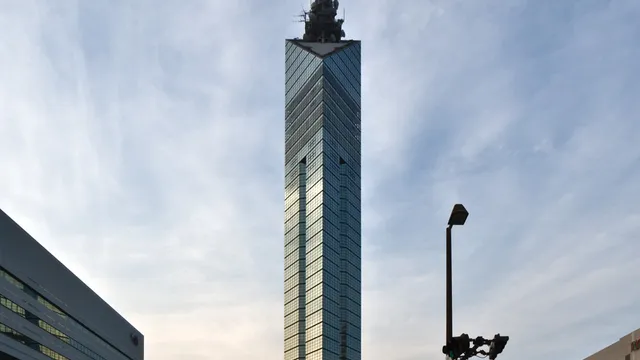
  3. Fukuoka Tower3

    Ride to the Top of Fukuoka Tower

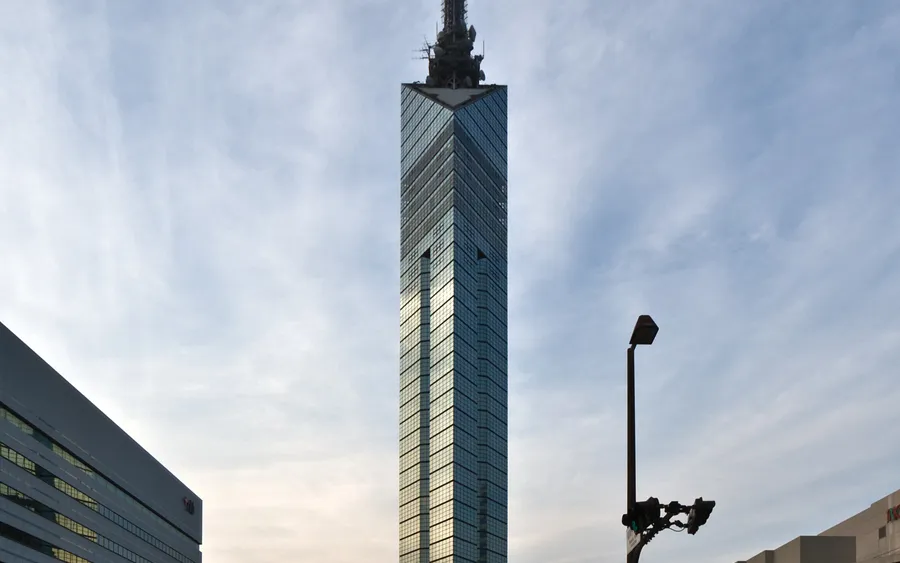
    At 234 meters, Fukuoka Tower is Japan's tallest seaside tower, its half-mirrored exterior of roughly 8,000 triangular glass panels rising over the Momochi waterfront district. The observation deck, spread across three floors between 116 and 123 meters up, keeps visitors close enough to the city that individual lights and streets stay legible after dark, a quality that's helped its night view earn a spot among Japan's official top 100 nightscapes. It's an easy add-on to an evening at Momochi's beach and shopping district, best timed for sunset so the view transitions from daylight over Hakata Bay into the city's lit-up skyline.

    9:30 AM – 10:00 PM, last admission 9:30 PM; ¥1,000 adult admission2-3-26 Momochihama, Sawara-ku, Fukuoka 814-0001
  4. Dazaifu Tenmangu4

    Day-Trip to Dazaifu Tenmangu

    Built over the grave of the scholar and statesman Sugawara no Michizane, who died in exile here in 903, Dazaifu Tenmangu is the head shrine of roughly 10,000 Tenmangu shrines across Japan and, alongside Kyoto's Kitano Tenmangu, one of the two most important. Michizane was deified soon after his death, first to appease his aggrieved spirit and later, by the 18th century, as the god of scholarship — the shrine now draws students from across Japan praying for exam success ahead of test season. A short train ride from central Fukuoka, the surrounding town has grown into a full day-trip destination in its own right, with a covered shopping street selling umegae mochi, a grilled rice cake stamped with the plum-blossom crest tied to Michizane's own famous devotion to plum trees.

    Shrine grounds: roughly 6:00 AM – 7:00 PM (varies seasonally); Treasure House: 9:00 AM – 4:30 PM, last entry 4:00 PM, closed Mondays4-7-1 Saifu, Dazaifu 818-0117
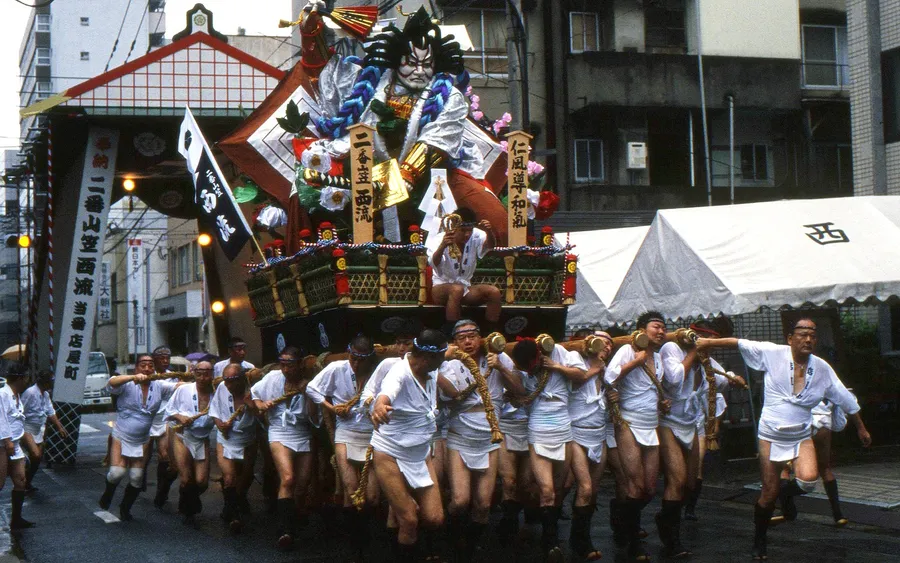
  5. Kakiyama float, Hakata Gion Yamakasa5

    Witness the Hakata Gion Yamakasa

    Held every July 1–15 and recognized by UNESCO as Intangible Cultural Heritage in 2016, Hakata Gion Yamakasa traces back some 800 years and builds toward Oiyama, a pre-dawn race on the morning of July 15 in which teams representing Hakata's traditional neighborhoods haul roughly one-ton wooden floats, called kakiyama, along a set course through the streets, competing purely for time and pride. Up to a million spectators turn out for the festival's climax, which starts before 5 a.m. at Kushida Shrine and finishes a little over 5 kilometers later, the runners drenched in water thrown by onlookers along the route to help cool them down. For the rest of the year, taller, purely decorative kazariyama floats, some reaching 10 meters or more, stand on display at shrines and shopping centers around the city.

    July 1–15; Oiyama race starts around 4:59 AM on July 15
  6. Hakata Dontaku Festival parade6

    Join the Hakata Dontaku Parade

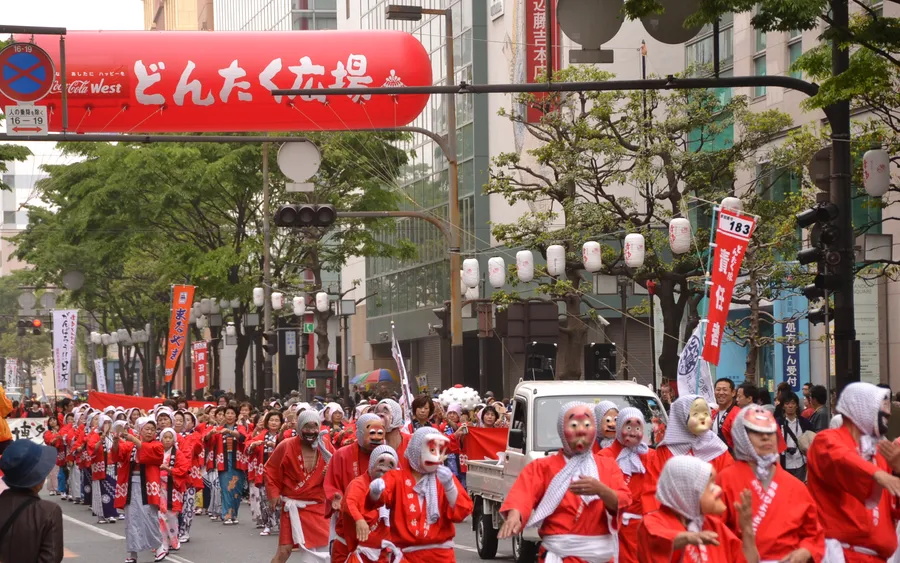
    Held every May 3–4 during Golden Week, Hakata Dontaku traces back to Matsubayashi, a New Year's dance procession first recorded in 1179 and banned by the Meiji government for its extravagance before Hakata's citizens revived it under a new name — Dontaku, borrowed from the Dutch word for Sunday. Tens of thousands of costumed dancers, many clapping a pair of shamoji, the flat wooden rice paddles used in kitchens across Japan, parade through central Fukuoka's streets over the two days, drawing crowds estimated at around two million and making it one of Japan's largest annual festivals by attendance. Unlike Yamakasa's disciplined athleticism, Dontaku is open, informal, and genuinely welcoming to anyone who wants to grab a pair of shamoji and join a passing group.

    May 3–4 every year
  7. Hakata ramen preparation, Yatai Keiji7

    Eat Hakata Ramen

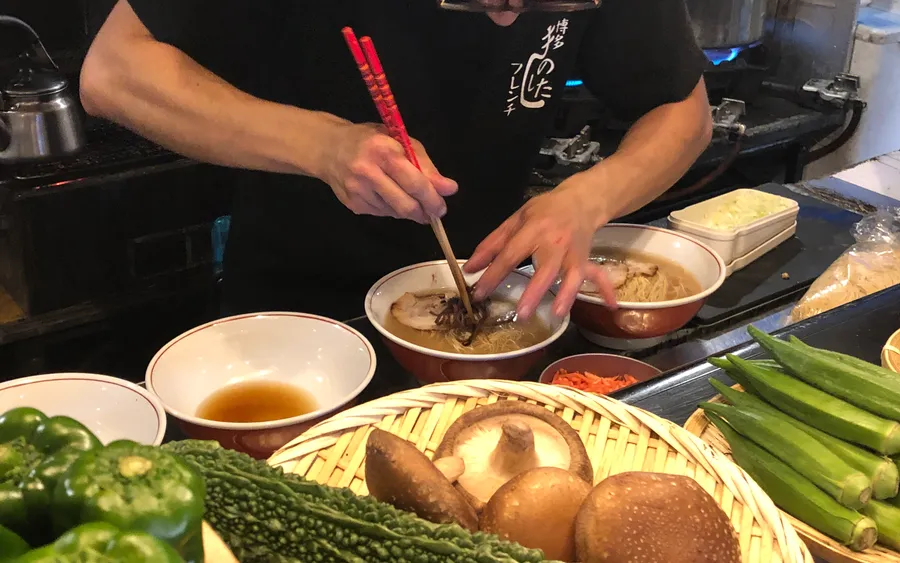
    Hakata ramen's rich, milky tonkotsu broth is generally traced to a stall in nearby Kurume in 1937, though the cloudy, opaque version now considered standard is said to have been discovered by accident a decade later, when a stall left its broth boiling too long and it turned white instead of clear. The style spread from Kurume into Hakata's own yatai culture, developing thin, firm noodles designed to cook fast for busy fish-market workers and the kaedama custom — ordering a fresh serving of noodles to drop into your remaining broth once the first batch runs out. Most shops let you specify noodle firmness, from bariyawa (very soft) to barikata (very firm) or even the almost-raw harigane, a level of customization that's become part of the ordering ritual itself.

  8. Nakasu yatai stalls, Fukuoka8

    Do a Yatai Crawl

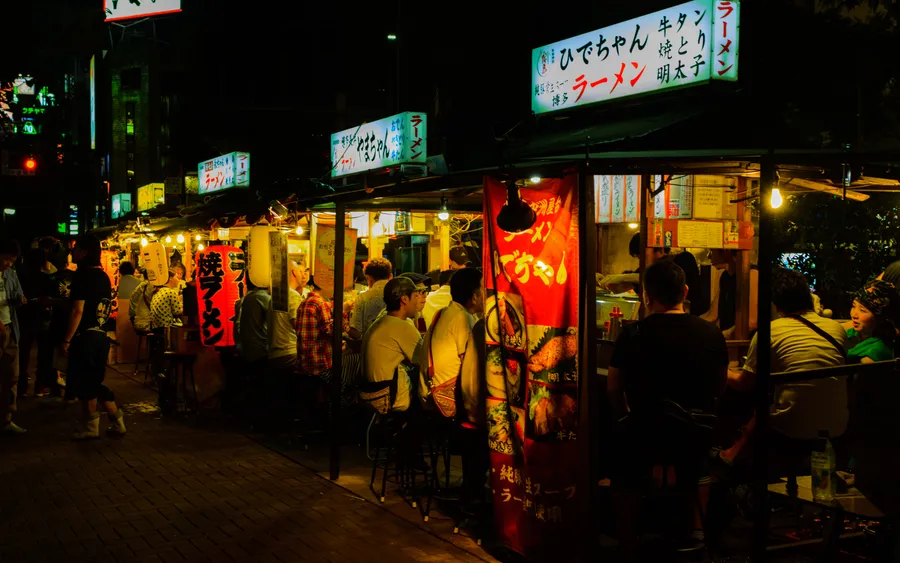
    Fukuoka is the last Japanese city where open-air yatai food stalls survive at real scale — around 100 today, concentrated along the Naka River in Nakasu, around Tenjin, and near Nagahama, down from a peak of more than 400 in the 1970s. Each stall seats maybe eight to ten people shoulder to shoulder on stools, serving anything from ramen and yakitori to oden and tempura from a portable counter that's wheeled out each evening and packed away by morning. Part of the appeal is the forced closeness — strangers end up talking over a small counter with nowhere else to look — and a yatai crawl, moving between two or three stalls for a dish and a drink at each, is one of the more distinctly Fukuoka ways to spend an evening.

  9. Motsunabe hot pot9

    Try Motsunabe

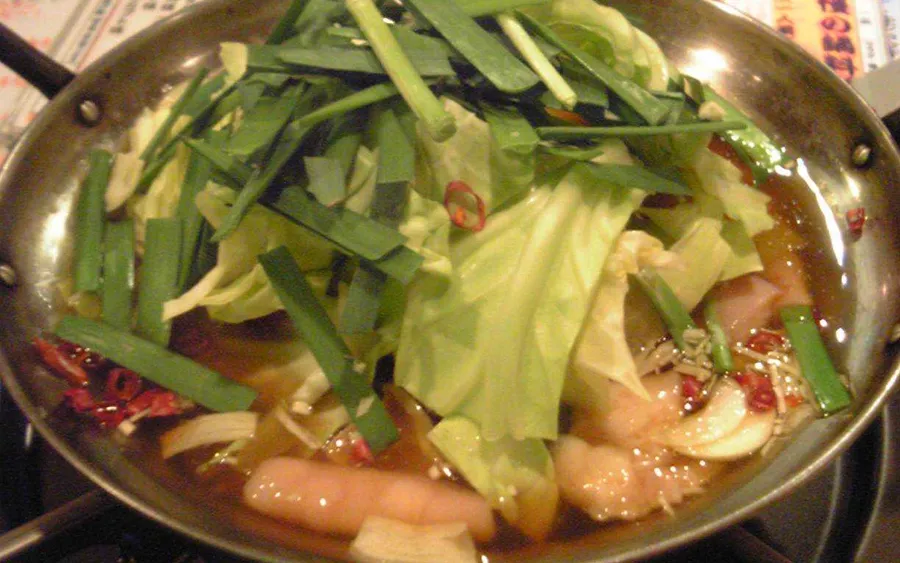
    Motsunabe grew out of postwar scarcity in the coal-mining towns of northern Kyushu, where offal — cheap, filling, and otherwise discarded — went into a simple pot with garlic chives and, from around 1962 onward, cabbage, once it became a common household vegetable. Korean laborers in the coal communities are widely credited with popularizing offal cooking in the region, and the dish migrated into Hakata's back-alley izakayas through the 1960s before a nationwide motsunabe boom in the early 1990s made it famous well beyond Kyushu. Beef or pork intestine simmers in a broth seasoned with soy sauce, miso, or a chili-spiked version, and it's traditional to finish the meal by cooking noodles or rice in whatever rich broth is left in the pot.

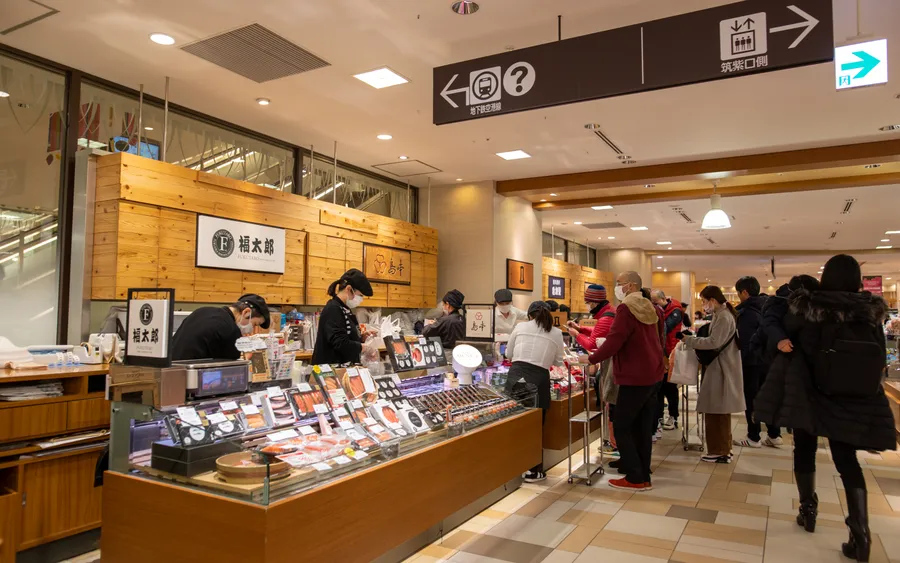
  10. Fukutaro mentaiko, Fukuoka10

    Taste Mentaiko

    Mentaiko, spicy marinated cod roe, was developed in Fukuoka in January 1949 by Toshio Kawahara, founder of the grocery Fukuya, who was trying to recreate a Korean pickled pollock roe he remembered eating as a child in Busan. Since walleye pollock isn't caught in the waters around Fukuoka, the roe itself typically comes from Hokkaido, marinated locally in a chili-based mixture that gives it its signature heat and deep red color. It's eaten straight over hot rice, folded into pasta, grilled into onigiri, or packed as a gift box souvenir, and it remains so closely tied to the city that most Fukuoka households consider it a kitchen staple rather than a specialty.

Keep reading

More guides you might like

Nearby

Related destinations

Continue

Related services

Easy Travel in Japan