 Easy Travel in Japan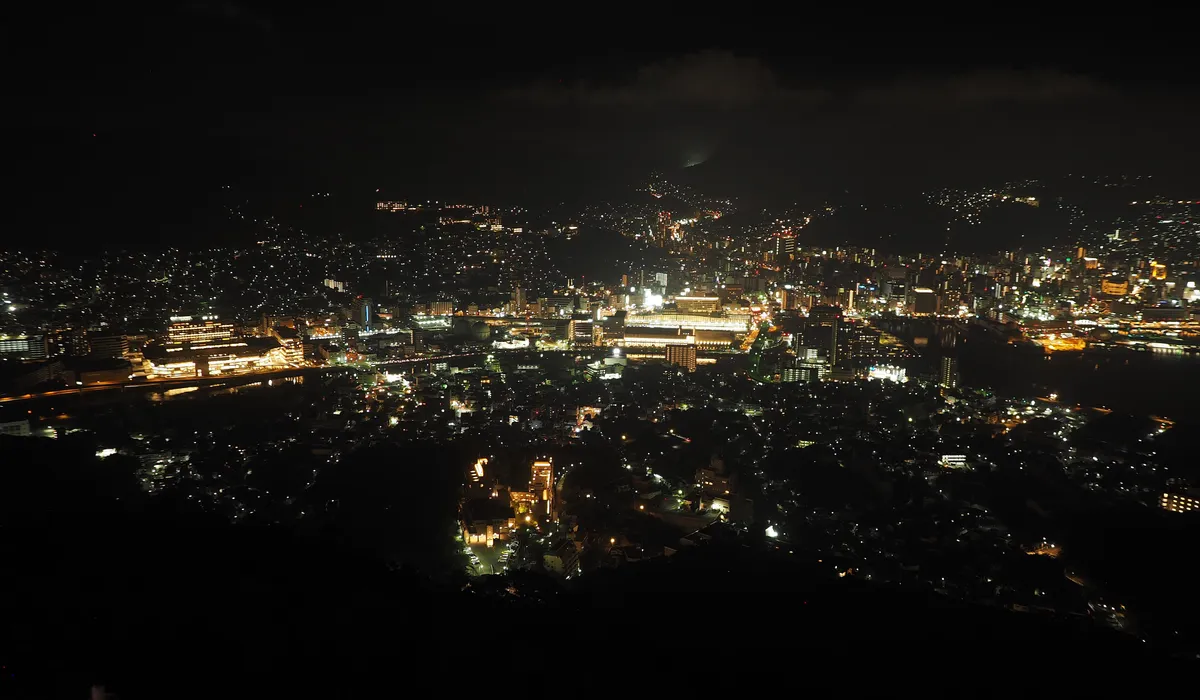
Nagasaki
A historic port city shaped by centuries of foreign trade, with panoramic night views and a rebuilt legacy of peace.
Nagasaki is a port city on the western coast of Kyushu, built around a deep natural harbor. During Japan’s roughly two centuries of national isolation, it was essentially the country’s only officially sanctioned point of contact with the outside world — first through Portuguese traders from 1571, then through the Dutch, confined to the artificial island of Dejima, and a resident Chinese merchant community. On August 9, 1945, Nagasaki became the second city struck by an atomic bomb, three days after Hiroshima; estimates of the dead vary by source and by the period measured, ranging from roughly 35,000 in the immediate aftermath to as many as 70,000–80,000 by the end of that year. That layered history — centuries of cross-cultural trade alongside the memory of the bombing — makes Nagasaki one of Japan’s most distinctive cities to visit.
Highlights & things to do
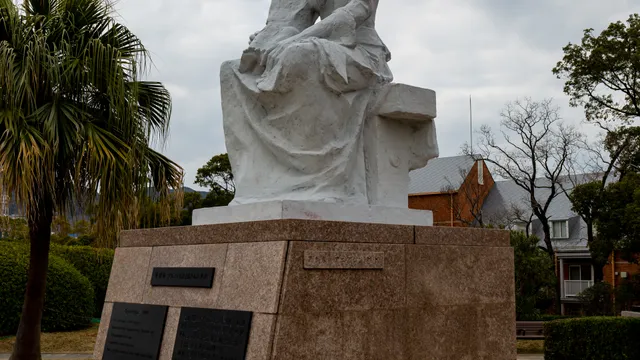
Nagasaki Peace Park, including Hypocenter Park marking the bomb’s explosion point, and the adjoining Atomic Bomb Museum together document the bombing and its aftermath. Glover Garden, a hillside park in the former foreign settlement, preserves the residence of Scottish merchant Thomas Blake Glover, considered the oldest surviving Western-style building in Japan and a site tied to Glover’s role in Japan’s Meiji-era modernization. Dejima, the small artificial island that housed the Dutch trading post from 1641, is being progressively reconstructed based on archival and archaeological research, with the long-term goal of restoring its original fan-shaped, water-surrounded form.
Oura Church, built in 1864, is generally considered the oldest standing Christian church in Japan and was inscribed as part of the UNESCO World Heritage “Hidden Christian Sites in the Nagasaki Region” in 2018. Sofukuji Temple, founded in 1629 for Nagasaki’s Chinese community, has a gate and Buddha Hall built in China and shipped to Japan — regarded as one of the finest surviving examples of Ming-dynasty temple architecture anywhere. Mount Inasa, reached by ropeway, is traditionally ranked among Japan’s three great night views, and Nagasaki’s Shinchi Chinatown, the oldest of Japan’s three major Chinatowns, traces to Chinese settlement following the start of China trade in 1635.
Food & local cuisine
Champon, a hearty noodle soup of pork, seafood, and vegetables, is generally credited to a Nagasaki restaurant around 1899, adapting a Fujian dish for the city’s Chinese student community. Sara udon, crispy or thin fried noodles under a similar thickened sauce, is a close relative. Castella, a sponge cake introduced by Portuguese traders in the 16th century, was refined by Nagasaki confectioners into today’s local specialty. Turkish rice, a pilaf-spaghetti-and-pork-cutlet plate that emerged in the city around the 1950s or 60s despite having no direct connection to Turkey, reflects Nagasaki’s long history as Japan’s entry point for Western-influenced cuisine.
Culture & traditions
A Peace Memorial Ceremony is held every August 9 at Nagasaki Peace Park, including a moment of silence at the exact time of the bombing. Nagasaki Kunchi, an autumn festival at Suwa Shrine every October 7–9, features elaborate rotating neighborhood performances, most famously a Chinese-influenced dragon dance reflecting the city’s historic Chinese community. The Nagasaki Lantern Festival, begun in 1994 by the local Chinese community, lights over 15,000 lanterns across Chinatown and the city center around Lunar New Year and is now Japan’s largest lantern festival.
Nature & scenery
Mount Inasa’s 333-meter summit gives the city’s best-known panorama, especially prized after dark. Nagasaki’s cityscape climbs the steep hills tightly encircling its harbor, giving it a distinctive tiered, hillside geography unlike most Japanese cities.
Seasonal travel
Winter brings the Lantern Festival around Lunar New Year. Spring cherry blossoms bloom late March through mid-April at spots including Omura Park and Nagasaki Peace Park itself. Autumn, specifically October 7–9, brings Nagasaki Kunchi. August 9 marks the solemn annual Peace Memorial Ceremony.
Recommended experiences
Ride the Mount Inasa ropeway at dusk for the night view. Walk Glover Garden’s hillside Western-style residences. Visit Peace Park and the Atomic Bomb Museum together. Explore Dejima’s restored trading-post buildings. Eat champon or sara udon in Chinatown.
Getting there & practical info
Since the Nishi Kyushu Shinkansen partially opened in 2022, the fastest route from Fukuoka’s Hakata Station involves the Relay Kamome limited express to Takeo-Onsen, then a same-platform transfer to the Kamome Shinkansen on to Nagasaki, for a total of roughly 1 hour 20 minutes to 1.5 hours — a transfer is still required, as there is no fully through Shinkansen line yet. A direct highway bus also runs from Hakata in about 2.5 hours. Within the city, the Nagasaki Electric Tramway connects Nagasaki Station to Peace Park, Dejima, Chinatown, and Glover Garden.
Who this suits
Essential for history and peace-education travelers, and a strong match for culture and heritage enthusiasts drawn to its mixed Chinese, Portuguese, Dutch, and Christian past, food travelers, and photographers chasing the Mount Inasa night view.
A closer look at Nagasaki
10 Best Things to Do in Nagasaki
A quick, friendly rundown of Nagasaki Peace Park and the Atomic Bomb Museum, a Scottish merchant's hillside residence, the reconstructed island that was Japan's only window to the West, a 400-year-old dragon-dance festival, and the noodle soups and sponge cake that make Nagasaki's table one of Japan's most distinctive — a good starting point for a first visit to this historic port city.
The Perfect 2-Day Nagasaki Itinerary
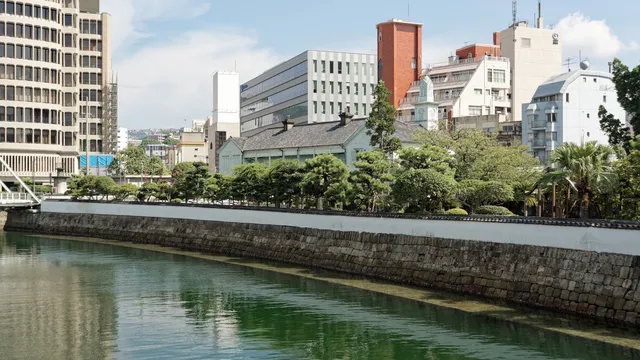
Two well-paced days: Peace Park, the Atomic Bomb Museum, champon in Chinatown, Dejima, and sunset from Mount Inasa on day one, then Oura Church, Glover Garden, sara udon, Sofukuji Temple, and castella shopping on day two.
The Ultimate Nagasaki Travel Guide
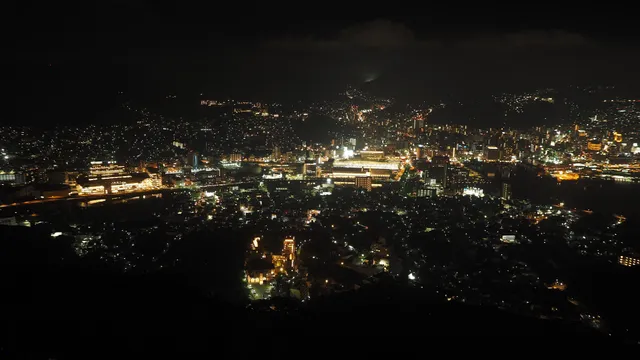
A historic port city shaped by centuries of foreign trade and the memory of the atomic bombing — Peace Park and the Atomic Bomb Museum, a Scottish merchant's hillside residence, the reconstructed island that was Japan's only window to the West, and a night view ranked among the world's best, plus the noodle soup, sponge cake, and Chinese and Dutch heritage that make Nagasaki one of Japan's most distinctive cities.
Related destinations
Useful services for this trip
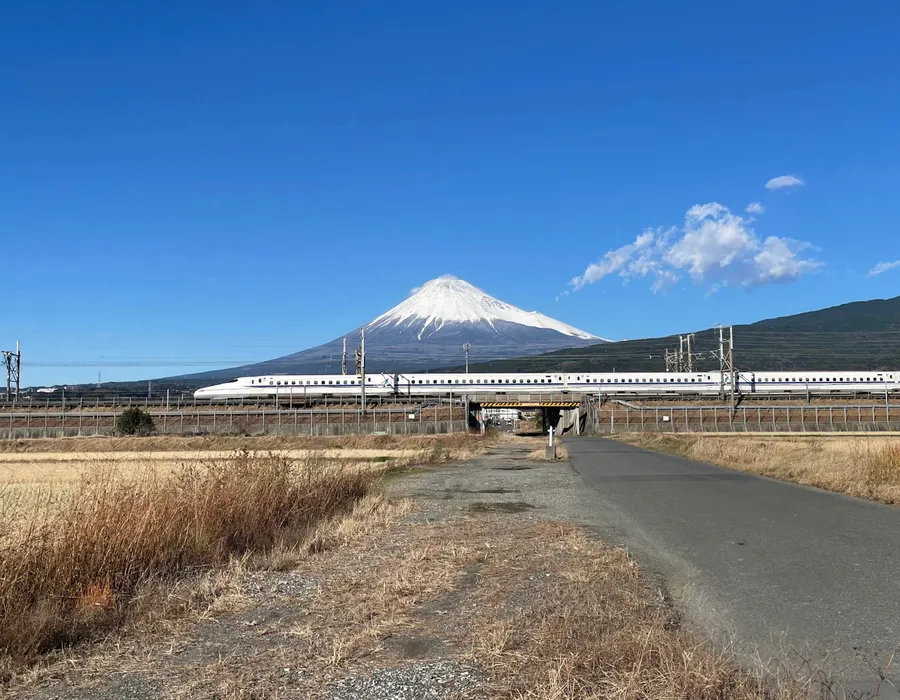
Train Tickets
Book shinkansen and local rail tickets in advance and skip the station ticket-counter queue.
Explore Train Tickets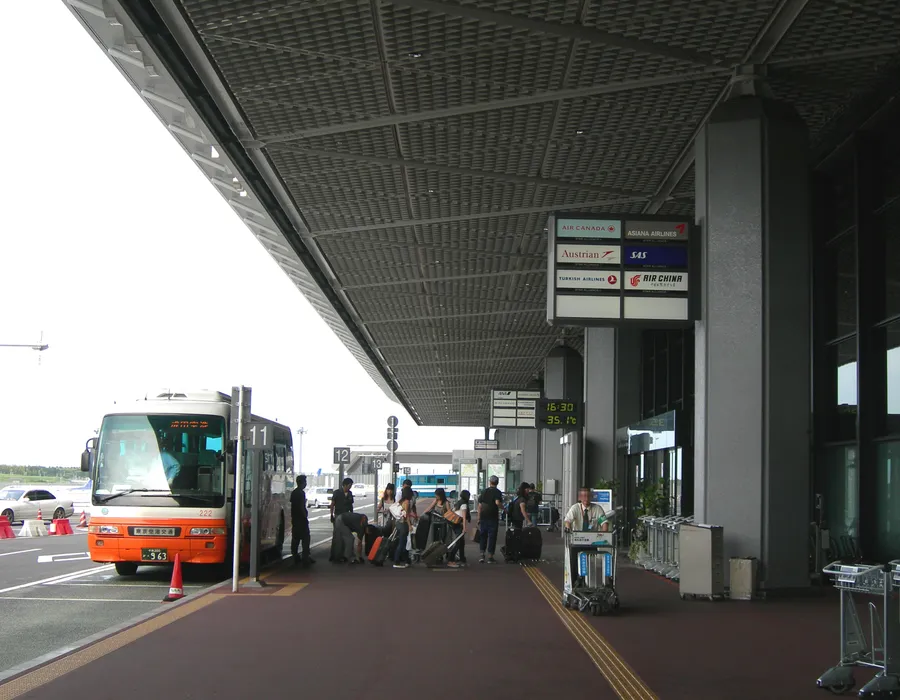
Airport Transfers
Book a fixed-price transfer from Haneda or Narita so arrival day is one less thing to figure out.
Explore Airport Transfers
eSIM & Wi-Fi
Stay connected in Japan with an eSIM or pocket Wi-Fi, without hunting for a local SIM shop.
Explore eSIM & Wi-Fi