Skip to content
Easy Travel in Japan
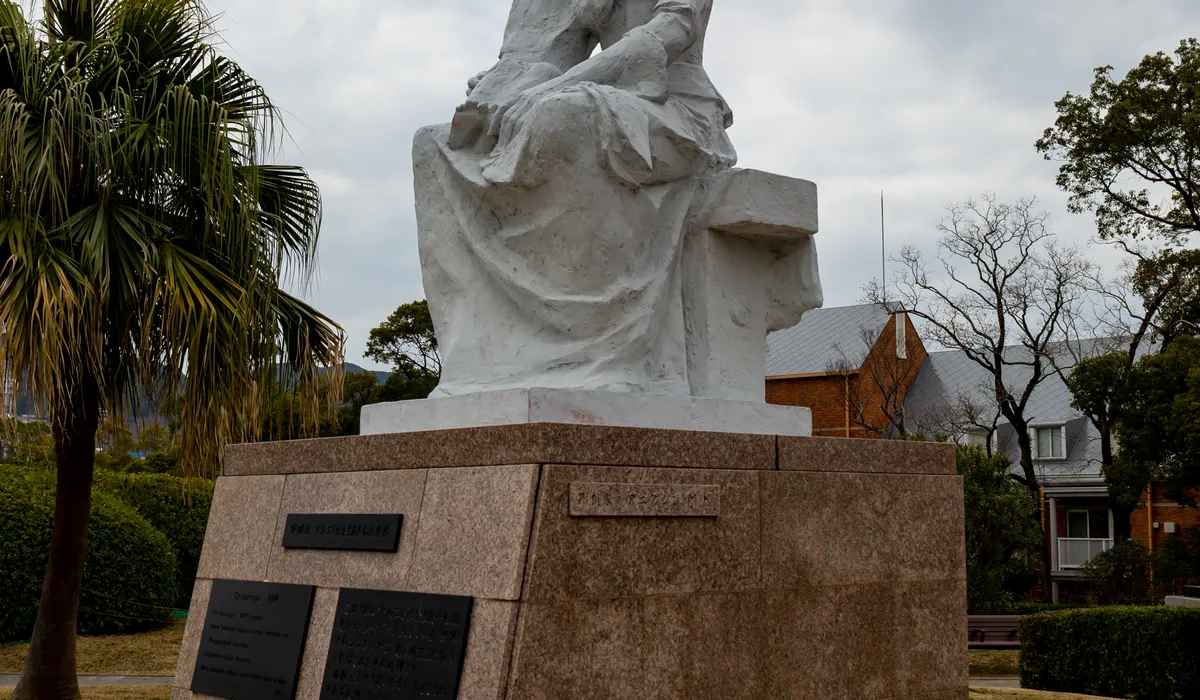
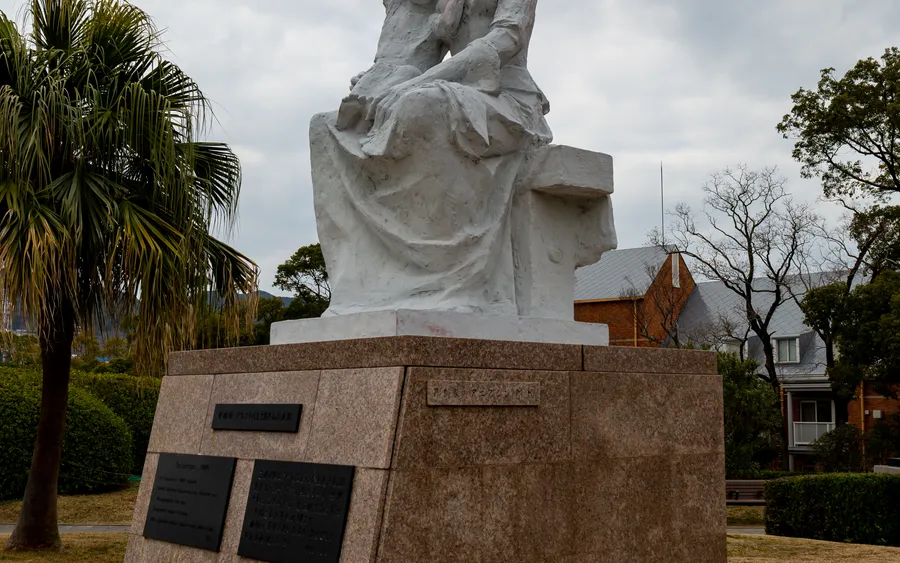
Statue of Peace, Nagasaki Peace Park

10 Best Things to Do in Nagasaki

Nagasaki carries two threads at once: the memory of August 9, 1945, held at the center of Peace Park and the Atomic Bomb Museum, and centuries of cross-cultural trade written into a Scottish merchant’s hillside home, a reconstructed Dutch trading post, Japan’s oldest church, and a dragon-dance festival with genuine Chinese roots. Ten things worth building a visit around, from the city’s layered history to the noodle soups and sponge cake that make Nagasaki’s table one of Japan’s most distinctive.

  1. Statue of Peace, Nagasaki Peace Park1

    Visit Nagasaki Peace Park & Hypocenter Park

    Nagasaki Peace Park, in the city's Urakami district, was built around the site where the atomic bomb detonated on August 9, 1945, and its centerpiece, the 9.7-meter bronze Statue of Peace, points skyward with one hand — toward the threat that dropped the bomb — while the other extends flat in a gesture of tranquility. Dozens of memorial sculptures donated by countries and organizations from around the world line the park's Fountain of Peace area, a response to the many who reportedly died still searching for water in the bombing's aftermath. Adjoining Hypocenter Park, marked by a simple black stone pillar at the exact point above which the bomb detonated, offers a quieter, more solemn counterpart to the main park's larger monuments — both are free to enter and open around the clock.
    Park grounds: always open, free admission9 Matsuyamamachi, Nagasaki 852-8118
  2. Nagasaki Atomic Bomb Museum2

    Learn at the Atomic Bomb Museum

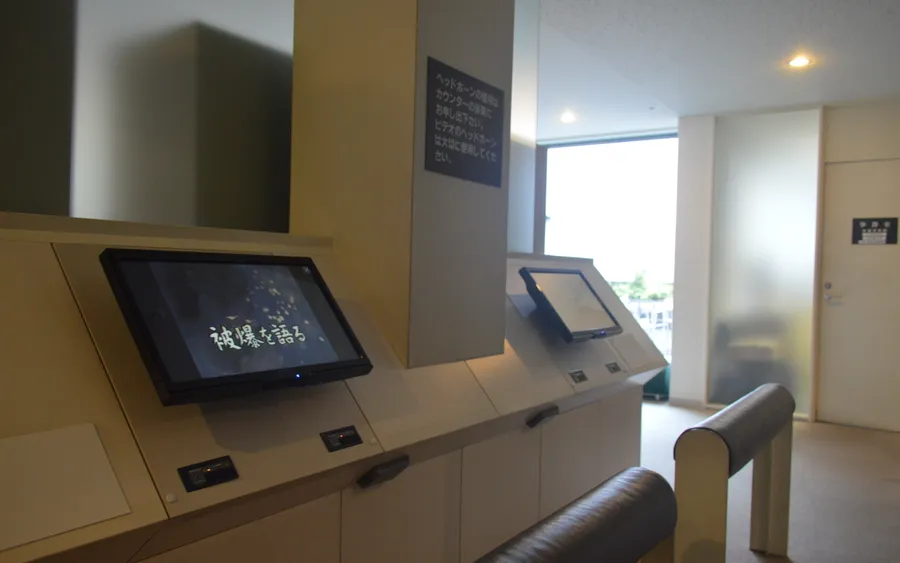
    Adjoining Peace Park, the Atomic Bomb Museum documents the bombing and its aftermath through artifacts recovered from the blast site — a clock stopped at 11:02, the exact moment of detonation, and a life-size replica of 'Fat Man,' the bomb itself, among them — alongside photographs and testimony from survivors. The exhibits trace the city's history as a wartime industrial center, the bombing itself, and Nagasaki's long postwar advocacy for nuclear abolition, closing with a library and reading room open to visitors researching the subject further. It's an unhurried hour or two rather than a quick stop, and works best paired directly with a walk through Peace Park beforehand.

    8:30 AM – 5:30 PM (Sep–Apr), 8:30 AM – 6:30 PM (May–Aug); closed Dec 29–31; ¥200 adult admission7-8 Hiranomachi, Nagasaki 852-8117
  3. Glover Garden, Nagasaki3

    Explore a Scottish Merchant's Hillside Home at Glover Garden

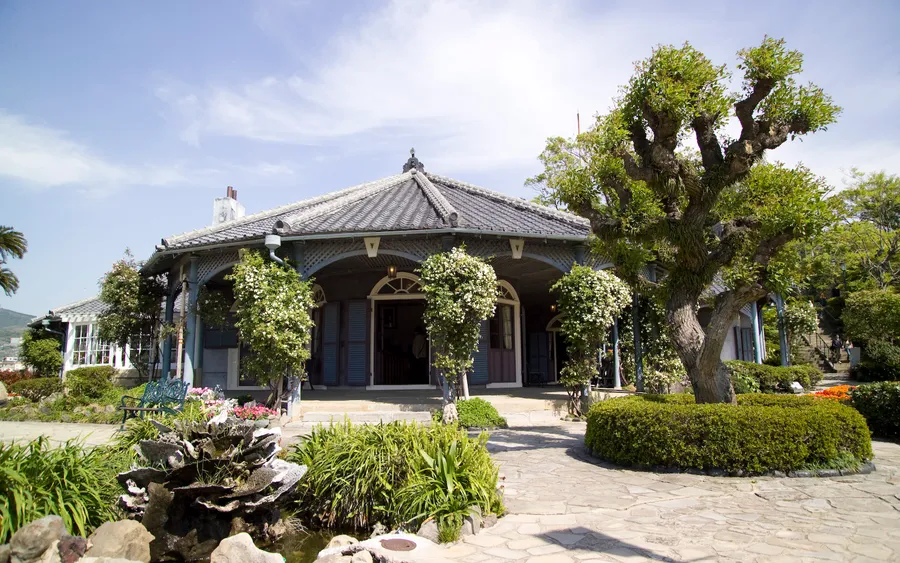
    A hillside park in Nagasaki's former foreign settlement, Glover Garden preserves the residence of the Scottish merchant Thomas Blake Glover, who arrived in 1859 shortly after the port opened to foreign trade and went on to play an outsized role in Japan's industrialization, backing the shipbuilding and mining ventures that would become Mitsubishi and supplying arms to the anti-shogunate faction that led the Meiji Restoration. His 1863 house, built with the help of local carpenters unfamiliar with Western design, is considered the oldest surviving Western-style building in Japan, and its terraced grounds — now joined by several other relocated merchant residences — look straight down over Nagasaki Harbor. Glover's distinctive mustache, as it happens, is also the model for the Kirin beer logo, a small, strange footnote to his legacy.

    8:00 AM – 6:00 PM (later on select evenings), last entry 40 min before close; ¥620 adult admission8-1 Minamiyamatemachi, Nagasaki 850-0931
  4. Former Dutch Trading Post, Dejima, Nagasaki4

    Walk Japan's Reconstructed Window to the West at Dejima

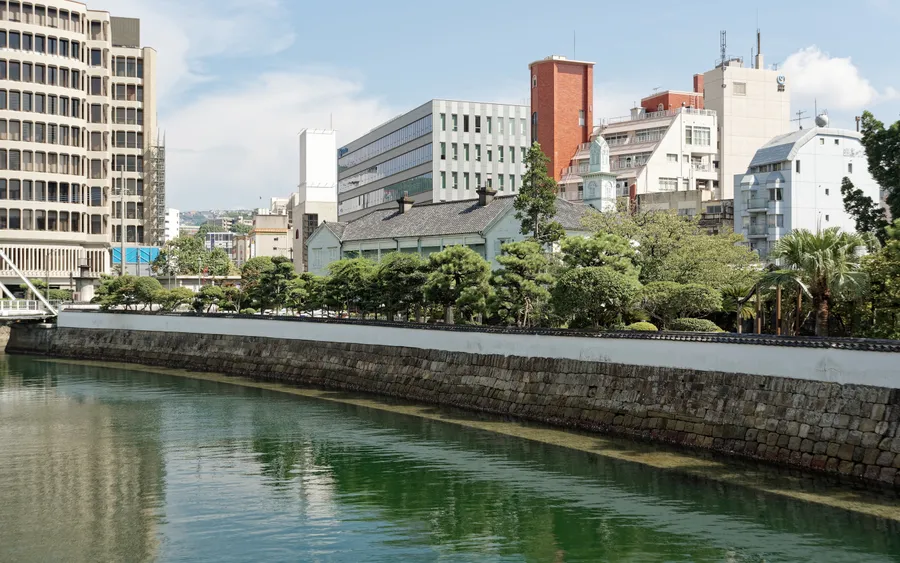
    Dejima was built in 1636 as a small, fan-shaped artificial island in Nagasaki Harbor, first to house Portuguese traders and then, from 1641 until the mid-19th century, as the sole officially sanctioned point of contact between Japan and the West, home to a resident Dutch trading post cut off from the rest of the city by a single guarded bridge. Landfill long ago absorbed the island into the surrounding city, but Nagasaki has spent decades systematically reconstructing its warehouses, the trading company chief's residence, and other buildings on their original foundations, using archival Dutch and Japanese records to guide the work. Roughly fifteen buildings now stand restored, and the long-term plan is to eventually re-excavate the surrounding water and return Dejima to something closer to its original island form.

    8:00 AM – 9:00 PM, last admission 8:40 PM; ¥510 adult admission6-1 Dejimamachi, Nagasaki 850-0862
  5. Oura Church, Nagasaki5

    See Japan's Oldest Standing Church at Oura

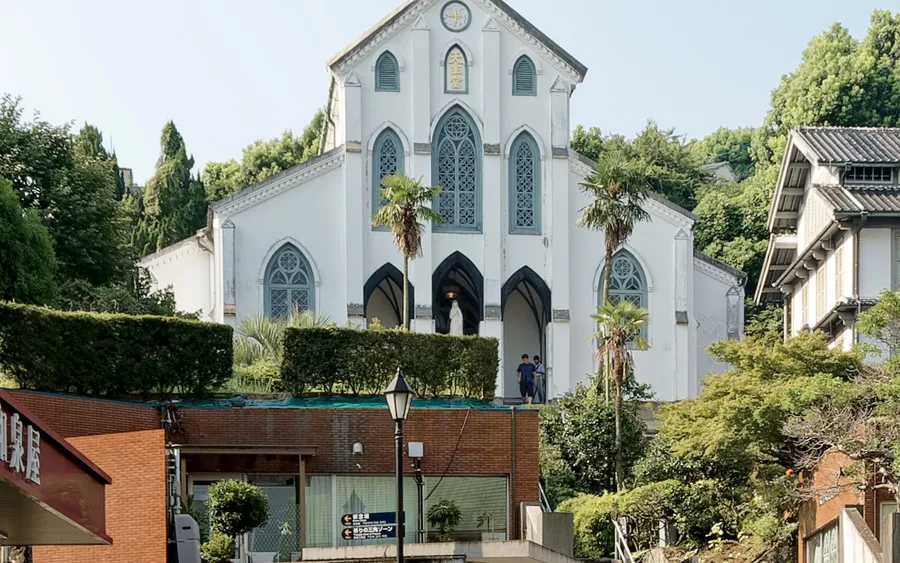
    Completed in 1864 by French missionaries and generally considered the oldest surviving Christian church building in Japan, Oura Church was built to commemorate the 26 Christians executed in Nagasaki in 1597 and became, three years after its completion, the site of one of the most remarkable moments in the city's religious history: a group of local villagers, descendants of Japan's underground 'Hidden Christians' who had secretly preserved their faith through more than two centuries of prohibition, revealed themselves to the church's priest. That discovery helped make Nagasaki the center of the UNESCO World Heritage listing 'Hidden Christian Sites in the Nagasaki Region,' inscribed in 2018, and the church's white Gothic facade, at the foot of the hill leading up to Glover Garden, remains an active place of worship today.

    8:30 AM – 6:00 PM, last entry 5:30 PM (shorter hours in winter); ¥1,000 adult admission5-3 Minamiyamatemachi, Nagasaki 850-0931
  6. Night view of Nagasaki from Mount Inasa6

    Catch the View from Mount Inasa

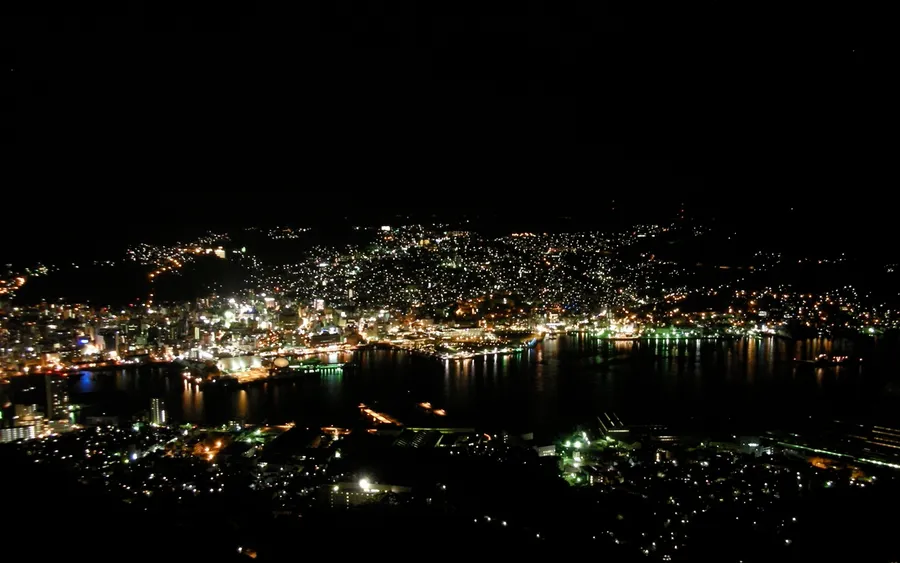
    Mount Inasa's 333-meter summit gives Nagasaki its best-known panorama, the city's steep, tiered hillside geography and harbor lights spreading out below in a view that's been formally certified among both the 'New Three Great Night Views of Japan' and the 'New Three Great Night Views of the World.' A five-minute ropeway ride, in fully glass-walled gondolas designed by an automotive designer known for his work with Ferrari, climbs from the Fuchi Shrine station near the base, departing every 15 to 20 minutes, with the rooftop observation terrace itself open around the clock even outside the ropeway's regular hours. Sunset is the classic time to go, timed so the view shifts gradually from daylight over the harbor into the full spread of city lights.

    Ropeway: 9:00 AM – 10:00 PM, departures every 15–20 min; ¥1,040 one-way, ¥1,900 round-trip364-1 Inasamachi, Nagasaki 852-8114
  7. Ja-odori dragon dance, Nagasaki Kunchi7

    Watch the Dragon Dance at Nagasaki Kunchi

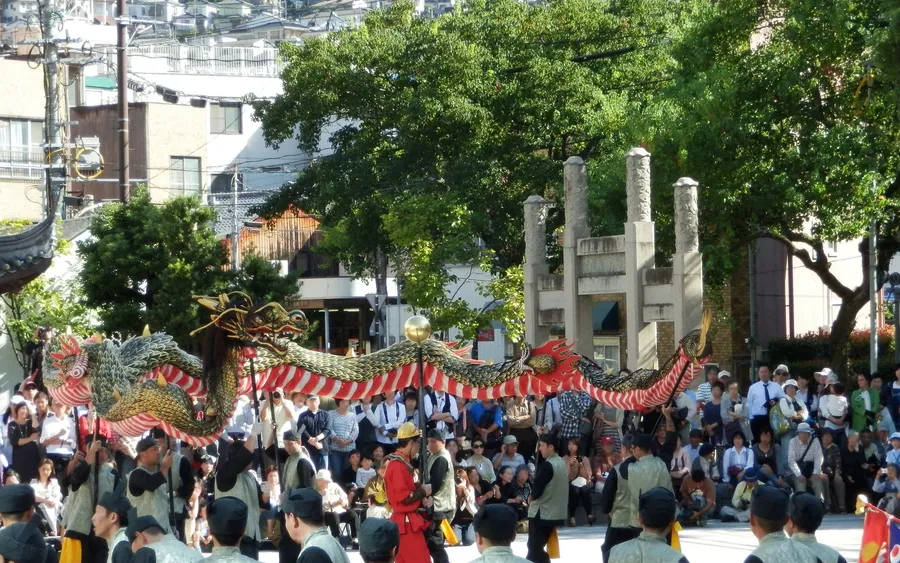
    Held every October 7–9 at Suwa Shrine and dating back to a 1634 dance performed in dedication to the shrine, Nagasaki Kunchi is one of Japan's most distinctive autumn festivals, blending Japanese Shinto ritual with performances that reflect the city's long history of Chinese and Dutch contact. Each of the city's participating neighborhoods performs only once every seven years, drawing on that scarcity to fund elaborate, sometimes genuinely spectacular routines — among them the Ja-odori, or dragon dance, introduced by Nagasaki's Chinese residents and originally performed on New Year's Eve before becoming one of the festival's signature acts. The name Kunchi itself comes from kunichi, the ninth day of the ninth lunar month, when the festival was traditionally held before shifting to its current October dates.

    October 7–9 annually
  8. Champon, Nagasaki8

    Eat Champon

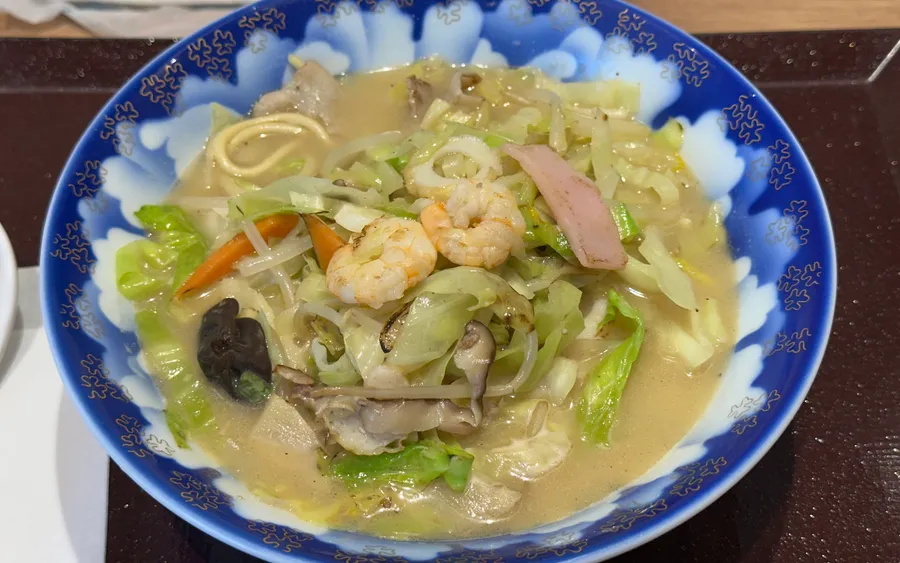
    Champon was invented around 1899 by Chen Heijun, a Fujianese immigrant who opened the restaurant Shikairo to feed Nagasaki's community of poor Chinese students a meal that was filling, cheap, and nutritious. The dish boils pork and chicken bones into a rich, milky broth, then loads it with seafood, cabbage, and bean sprouts over thick wheat noodles cooked directly in the broth rather than separately, giving the noodles a distinctive, almost creamy texture. Shikairo still operates today from a five-story building overlooking Nagasaki Harbor, and its version remains the benchmark most other champon shops in the city are measured against.

  9. Sara udon9

    Try Sara Udon

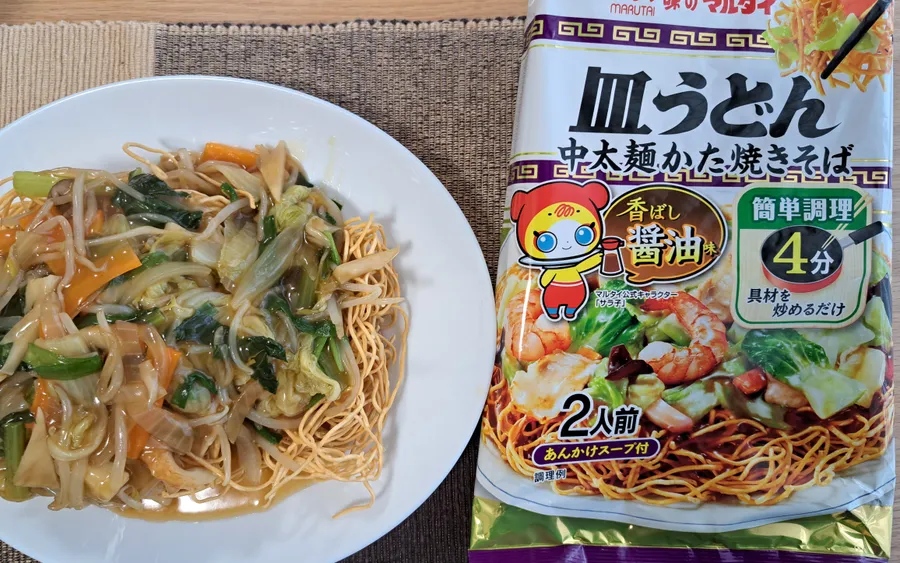
    Sara udon was developed at Shikairo, the same restaurant credited with inventing champon, as a version that would travel better for delivery — the same rich, seafood-and-vegetable topping as champon, but ladled over noodles fried until crisp rather than served swimming in broth. Two styles exist side by side: thin, deep-fried noodles that stay crunchy under the sauce, and thicker pan-fried noodles that soften slightly as they absorb it, and most restaurants let you choose between them. The name literally means 'plate noodles,' a nod to the wide, shallow dish it's traditionally served on rather than a bowl.

  10. Fukusaya castella10

    Take Home Castella

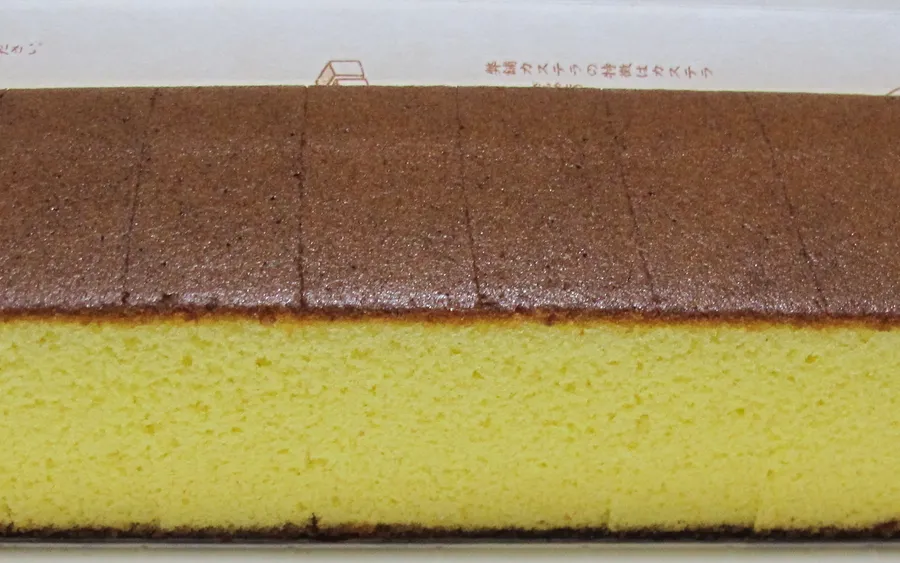
    Castella traces back to Portuguese traders and missionaries who introduced 'pão de Castela' — bread of Castile — to Nagasaki in the 16th century, and the city's confectioners spent the following centuries refining the recipe into the dense, fine-grained sponge cake known today, made from little more than flour, sugar, and egg. Fukusaya, operating since 1624 and among the oldest castella makers in the city, is credited with developing the betsudate method of whisking egg whites and yolks separately before combining them, producing the extra-fine bubbles behind the cake's characteristically moist, springy texture. A layer of coarse brown sugar crystals settles to the bottom during baking, giving the base a faint crunch that's become one of the recipe's defining details, and boxed castella remains one of the most common souvenirs to leave Nagasaki with.

Keep reading

More guides you might like

Nearby

Related destinations

Continue

Related services

Easy Travel in Japan