 Easy Travel in Japan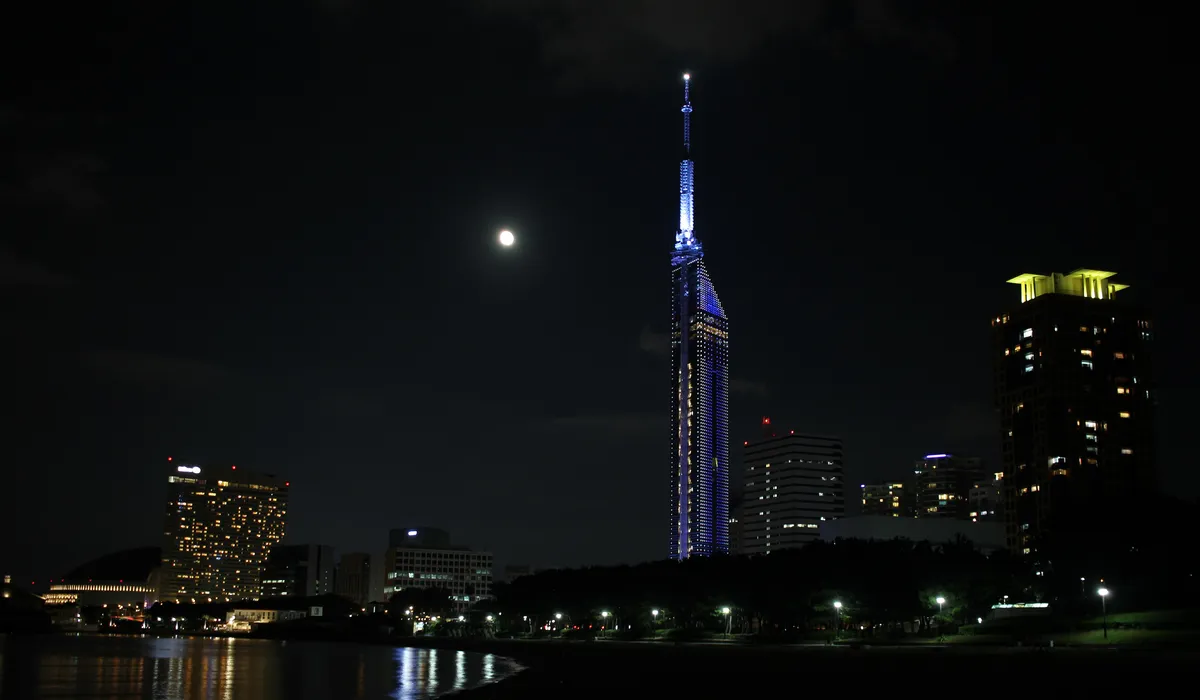
Fukuoka
Kyushu's largest city and gateway — Hakata ramen, riverside food stalls, and easy onward travel across the island.
Fukuoka is Kyushu’s largest city, formed in 1889 when the merchant port town of Hakata merged with the neighboring samurai castle town of Fukuoka, built by daimyo Kuroda Nagamasa in 1601 — Hakata survives today as the name of the central train station and district, and gives its name to the city’s signature ramen. Fukuoka sits closer to Seoul, roughly 540 km away, than to Tokyo, and Busan is only about 180 km distant, a proximity that has made it a gateway between Japan and the Asian mainland for centuries. That role continues today: Fukuoka functions as Kyushu’s transport hub and a compact, walkable, food-obsessed city in its own right.
Highlights & things to do
Canal City Hakata, a large shopping and entertainment complex built around a central canal, opened in 1996 and was, at the time, the largest private development in Japanese history. Ohori Park, built in 1929 on the former outer moat of Fukuoka Castle, centers on a large pond with islands connected by bridges. Nearby, the stone walls and surviving turrets of Fukuoka Castle stand within Maizuru Park, one of the city’s best cherry blossom spots.
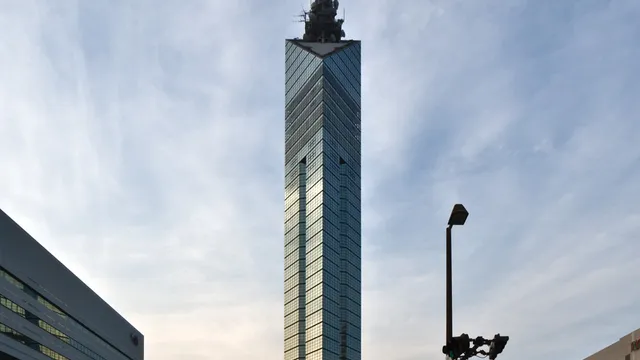
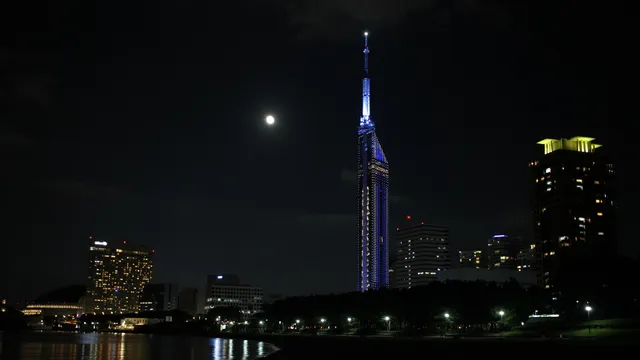
Shofukuji, founded in 1195 by the monk Eisai — who is also credited with introducing tea-drinking culture to Japan from China — is widely regarded as Japan’s first Zen temple. Kushida Shrine, in central Hakata, is the spiritual home of the Hakata Gion Yamakasa festival, displaying its ornate floats year-round outside of June. Fukuoka Tower, at 234 meters Japan’s tallest seaside tower, rises over the Momochi waterfront district and offers a nightscape ranked among Japan’s top 100 night views. A short trip away, Dazaifu Tenmangu, a major shrine dedicated to the deity of scholarship, is one of the most popular half-day trips from the city.
Food & local cuisine
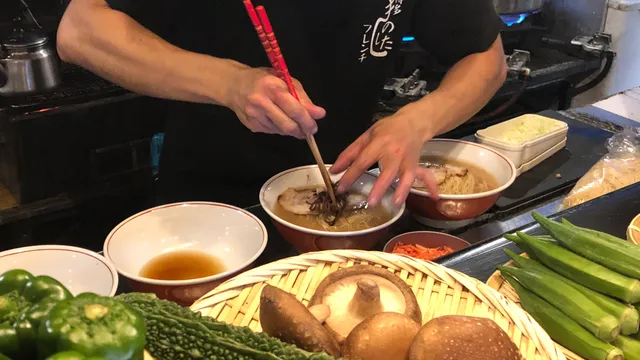
Hakata ramen — rich, milky tonkotsu (pork bone) broth with thin, firm noodles — is generally traced to a stall in nearby Kurume in 1937, later spreading to Hakata and evolving into the internationally known style. Fukuoka is also the last major Japanese city where open-air yatai street-food stalls survive at real scale, roughly 100 of them today concentrated in Nakasu, Tenjin, and Nagahama, down from a peak of over 400 in the 1970s. Mentaiko, spicy marinated cod roe, and motsunabe, a hot pot of beef or pork offal with cabbage and garlic chives that traces to postwar coal-mining communities, round out the city’s best-known specialties.
Culture & traditions
Hakata Gion Yamakasa, held every July and recognized as UNESCO Intangible Cultural Heritage, culminates in a pre-dawn race in which teams haul roughly one-ton floats through the streets, a tradition said to date back some 800 years. Hakata Dontaku, held every May 3–4 during Golden Week, draws millions of visitors and is rooted in an older New Year’s dance custom revived under a name derived from the Dutch word for holiday. Hakata-ori, a traditional woven textile craft with roots tracing to 1235, was historically sent to the shogunate as tribute from the ruling Kuroda clan.
Nature & scenery
Ohori Park’s pond and islands offer a central green space next to the castle ruins, while the Momochi waterfront gives evening views over Hakata Bay. Nokonoshima, an island reached by a short ferry from the city, has seasonal flower fields — cosmos in autumn, rapeseed in spring — alongside camping and picnic grounds.
Seasonal travel
Spring brings cherry blossoms to Maizuru Park and to Nishi Park, the only Fukuoka Prefecture site on Japan’s official Top 100 Cherry Blossom Spots list. May brings the Hakata Dontaku festival. July is dominated by the Hakata Gion Yamakasa, building to its dawn race around July 15.
Recommended experiences
Do an evening yatai crawl through Nakasu or Tenjin. Day-trip to Dazaifu Tenmangu. Watch the sunset from Fukuoka Tower’s observation deck. Take the ferry to Nokonoshima for seasonal flower fields.
Getting there & practical info
Fukuoka Airport is unusually close to the city center — about 3–4 km from Hakata Station, a five-minute subway ride with no transfer. Hakata Station is the terminus of the Sanyo Shinkansen and the starting point of the Kyushu Shinkansen south to Kumamoto and Kagoshima; the fastest Nozomi service reaches Hakata from Shin-Osaka in around 2.5 hours. Ferries and flights also connect Fukuoka directly to Busan and Seoul.
Who this suits
Suits food lovers drawn to Hakata ramen and the city’s surviving yatai culture, first-time Kyushu travelers using Fukuoka as a base, festival travelers timing a visit around Yamakasa or Dontaku, and anyone combining a Japan trip with South Korea.
A closer look at Fukuoka
10 Best Things to Do in Fukuoka
A quick, friendly rundown of the castle ruins at the heart of the city's biggest park, the shrine that guards the Yamakasa floats, a seaside tower with one of Japan's top night views, two of the country's biggest annual festivals, and the milky tonkotsu ramen and open-air yatai stalls that make Fukuoka one of Japan's most food-obsessed cities.
The Perfect 2-Day Fukuoka Itinerary
Two well-paced days: Kushida Shrine, Canal City, Hakata ramen, the castle ruins at Ohori Park, and a yatai crawl on day one, then a morning trip to Dazaifu Tenmangu followed by motsunabe, mentaiko shopping, and sunset at Fukuoka Tower on day two.
The Ultimate Fukuoka Travel Guide
Kyushu's largest city and gateway, built around a canal-threaded shopping complex, castle ruins at the heart of the city's biggest park, and two of Japan's biggest annual festivals — plus the milky tonkotsu ramen, open-air yatai stalls, and spicy cod roe that make Fukuoka one of the country's most food-obsessed cities.
Related destinations
Useful services for this trip
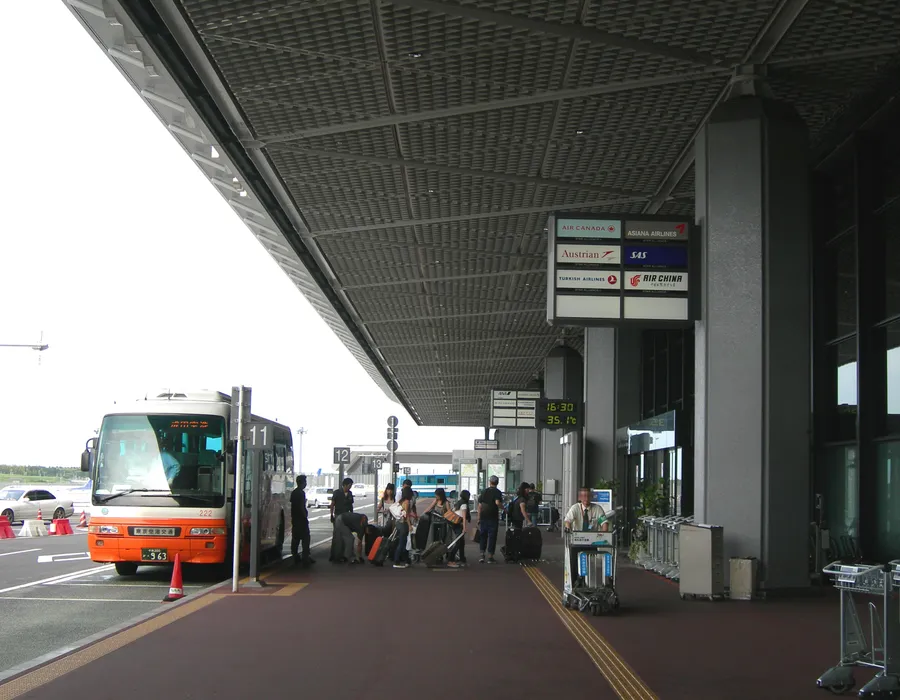
Airport Transfers
Book a fixed-price transfer from Haneda or Narita so arrival day is one less thing to figure out.
Explore Airport Transfers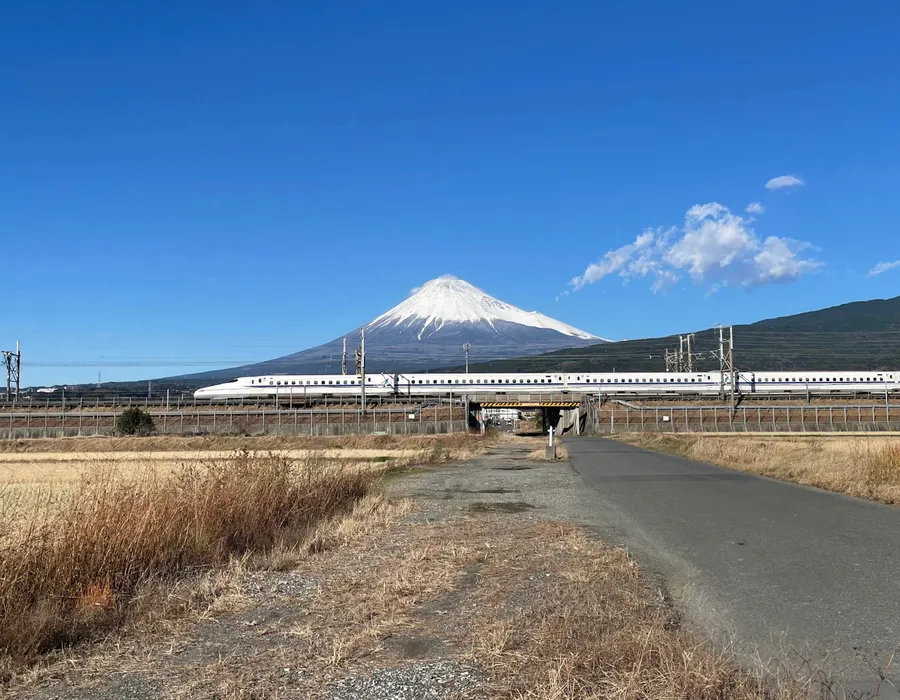
Train Tickets
Book shinkansen and local rail tickets in advance and skip the station ticket-counter queue.
Explore Train Tickets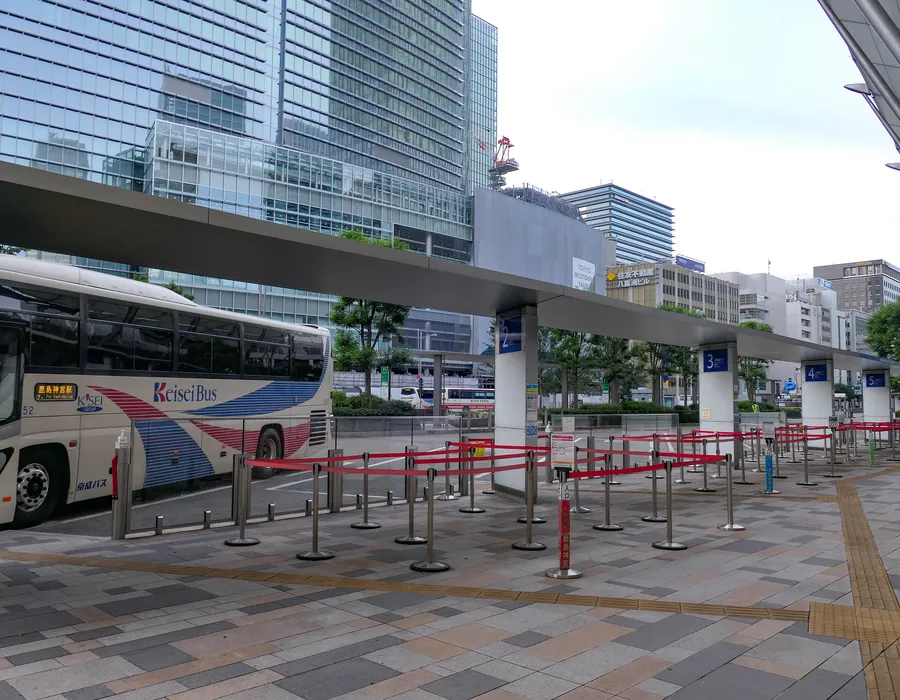
Bus Tickets
Book highway, overnight, and tour buses across Japan — an affordable way to reach cities and sights that trains skip.
Explore Bus Tickets