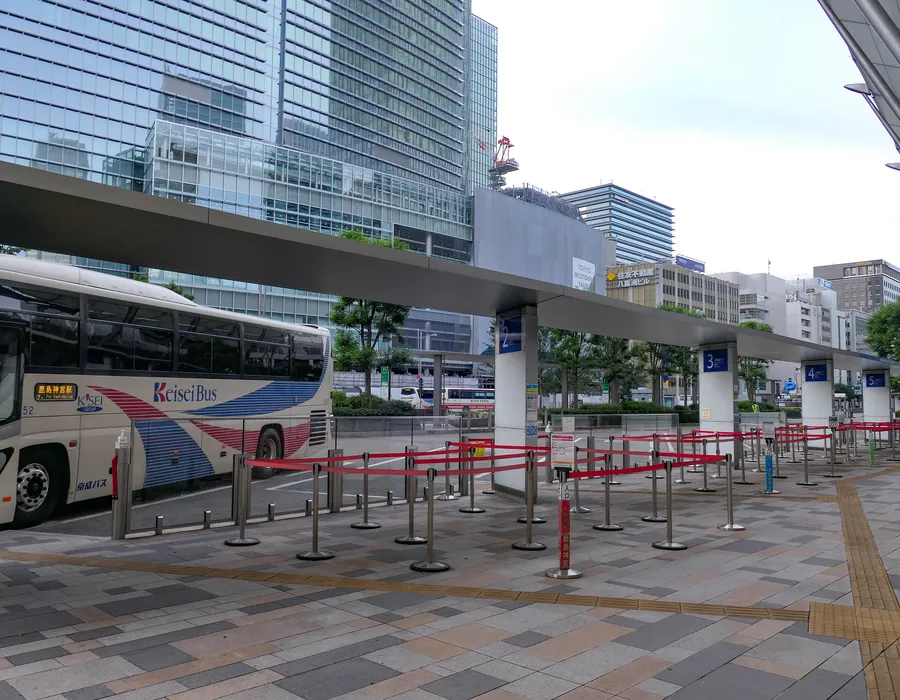
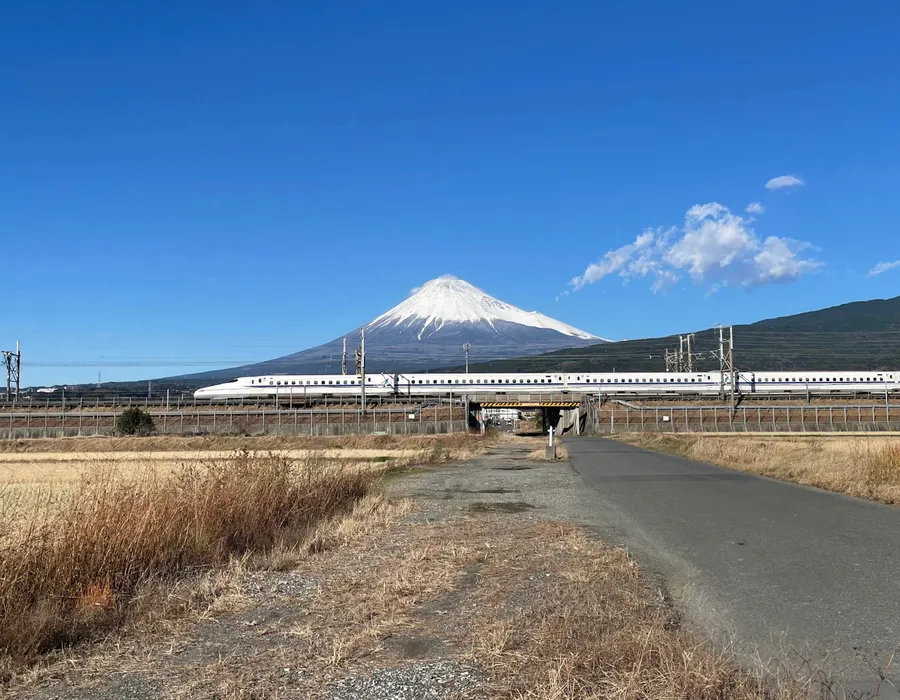
Japan’s Shinkansen network is fast and convenient, but it doesn’t reach everywhere, and it isn’t always the cheapest way to get around. Highway and overnight buses fill in the gaps — often at a fraction of the price, if you have the extra time to spare. Here’s how to weigh the two against each other for your itinerary.
When the bus makes sense
Buses are worth considering on routes without a direct Shinkansen line, for budget-conscious trips where the extra travel time is an acceptable trade-off, or when an overnight departure means you can skip a hotel night entirely. They’re also a practical way to reach sightseeing spots like Mount Fuji or theme parks that don’t sit directly on a rail line. For solo travelers and backpackers piecing together a longer trip, the savings across several long-distance legs can add up to a meaningful chunk of the overall budget.
When the train still wins
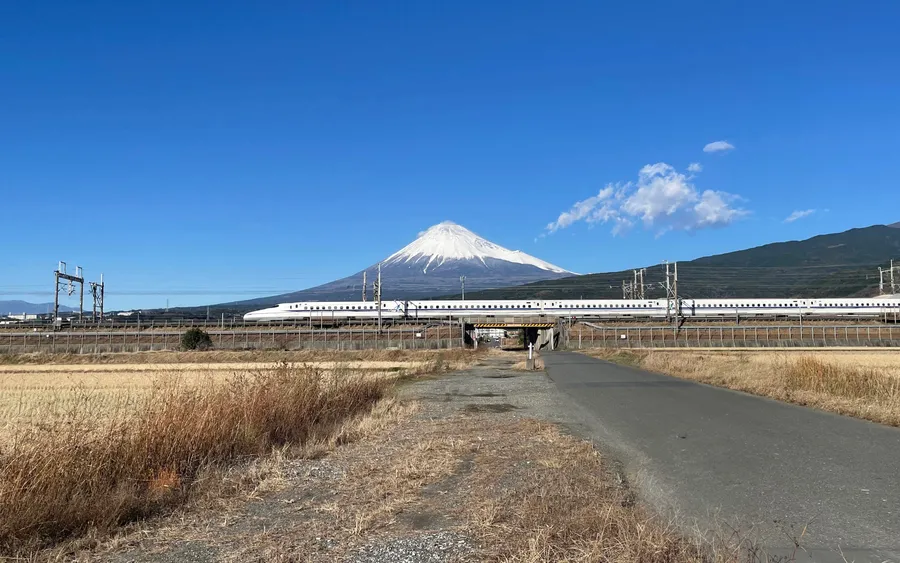
If your time in Japan is limited, the Shinkansen’s speed usually justifies the higher fare — a Tokyo–Kyoto trip that takes around two hours by bullet train can take six or more by highway bus. Trains are also generally more comfortable for daytime travel, with more legroom and easier luggage storage. They’re the more forgiving choice, too: services run frequently on major routes, so missing one departure rarely derails the rest of your day.
Comfort and luggage
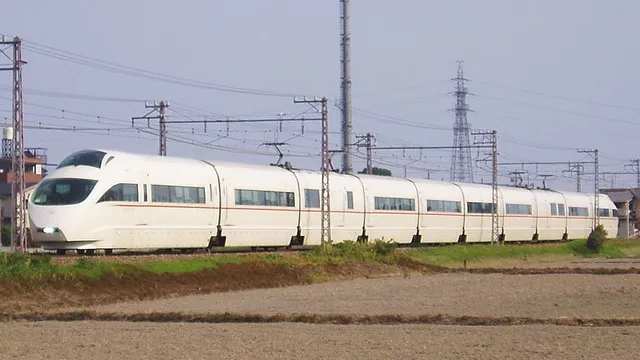
Overnight buses vary by operator — some offer reclining or curtained seats designed for sleeping, while budget routes may have more basic seating. Luggage space is usually limited to one or two bags per passenger in the under-bus storage, so check the allowance before booking if you’re traveling heavy. Shinkansen and limited express trains, by contrast, typically offer more generous legroom and dedicated space for large suitcases near the doors on newer cars.
Cost considerations
Price is usually the clearest reason to consider the bus — on many popular routes, a highway bus fare can be a fraction of the equivalent Shinkansen ticket, especially if you book early or travel overnight. That gap narrows on routes covered by a multi-city rail pass, since a pass can bring the effective cost of train travel much closer to the bus. If your itinerary is rail-pass eligible, it’s worth pricing out both options — see our Japan Rail Pass guide — before assuming the bus is automatically cheaper.
Booking tips
Popular routes and overnight departures can sell out during peak travel seasons (cherry blossom season, Golden Week, and summer holidays), so booking a few days ahead is safer than trying the same day. Most bookings can be shown as a digital boarding pass on your phone.
Quick decision guide
Still not sure? As a rule of thumb:
- Choose the bus if you’re on a tight budget, your route isn’t rail-pass eligible, or an overnight departure would save you a hotel night.
- Choose the train if your time is limited, you’re carrying a lot of luggage, or your route runs through cities well-served by the Shinkansen.
See the Bus Tickets service page for current recommended partners, or compare against Train Tickets if speed matters more than price.
 Easy Travel in Japan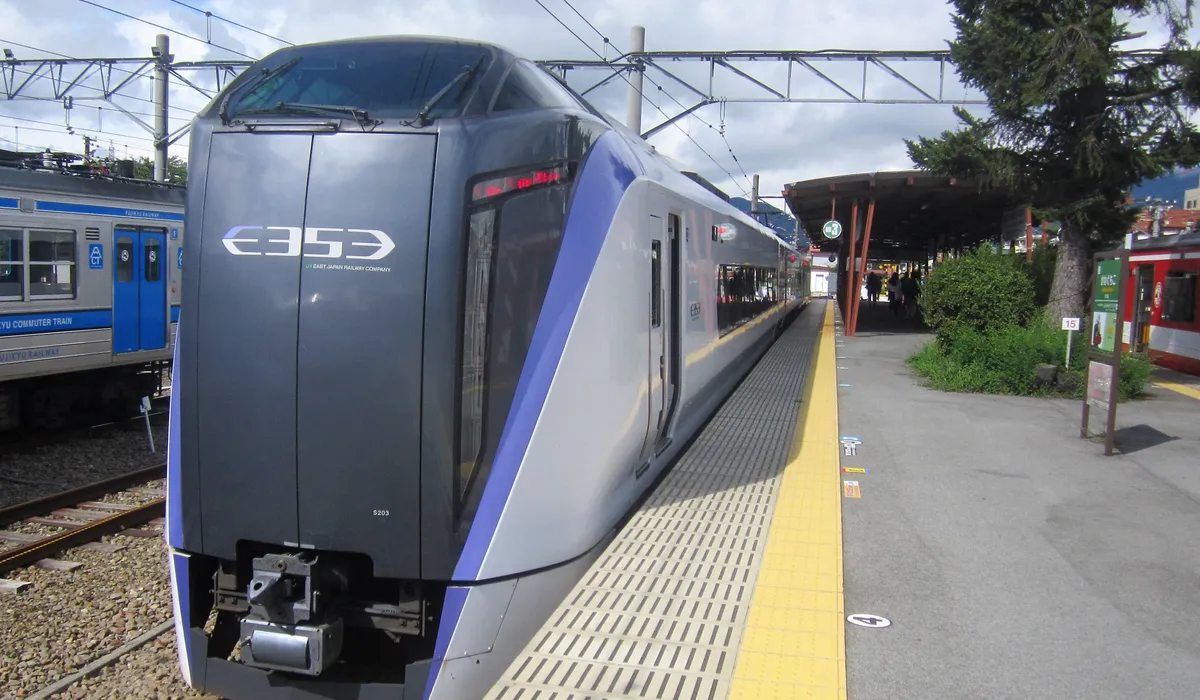
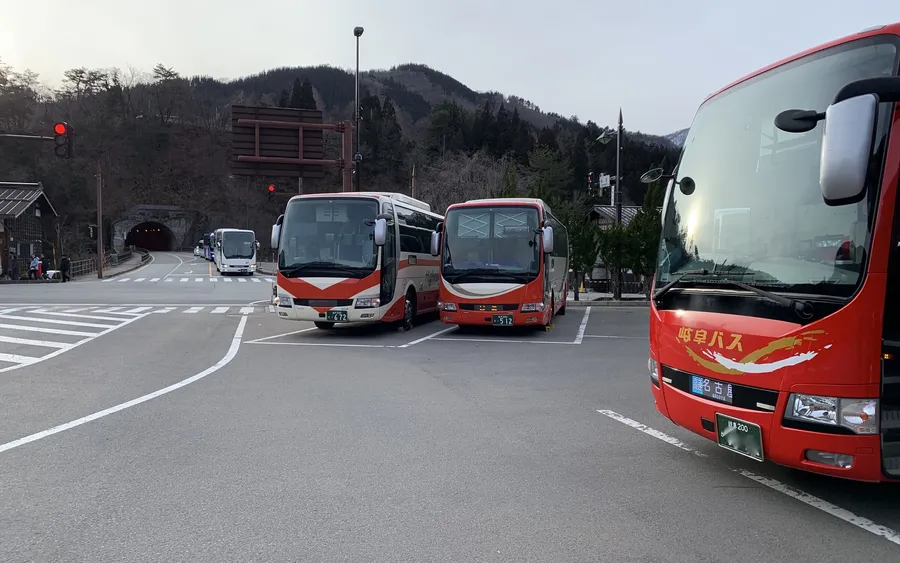 1
1