Easy Travel in Japan
Japan Rail Pass, Explained
A rail pass bundles multiple journeys into a single purchase, which can be cheaper than buying tickets one at a time — but only if you’re taking enough long-distance trips to offset the pass price.
When a pass makes sense
If your itinerary covers three or more cities with long-distance rail travel between them, a pass is usually worth pricing out against individual tickets before you commit. A pass also buys flexibility — you can adjust your route on the fly without worrying about the cost of each additional leg, which suits a looser, see-where-the-trip-takes-you itinerary. For a single round trip, or travel confined to one region, point-to-point tickets are often just as affordable and give you more flexibility on timing.
Nationwide or regional pass?
Rail passes aren’t one-size-fits-all. A nationwide pass covers long-distance travel across most of the country, which suits itineraries that span several regions — Tokyo to Kansai to Hiroshima, for example. If your trip stays within one area, a regional pass covering just that area is usually the cheaper option, since you’re not paying for coverage you won’t use. Regional passes exist for areas like Kansai, Tohoku, and Kyushu, each with their own coverage and validity period, so it’s worth checking which region your itinerary actually falls into before assuming you need the nationwide version.
Booking point-to-point tickets
For most itineraries — one or two long-distance legs, or travel within a single region — booking individual Shinkansen, express, and local tickets online is the simpler route. You reserve online, then collect a QR code by email that’s redeemable at any JR station, so there’s no need to queue at a ticket counter or read Japanese signage to find the right window.
Do the math before you buy
Add up the standard fare for every long-distance leg in your itinerary and compare that total against the pass price — the pass only pays off once that total exceeds it. It’s also worth knowing that the standard nationwide pass typically excludes the fastest Nozomi and Mizuho Shinkansen services, so factor the slightly longer journey time on covered trains into your schedule rather than assuming pass and non-pass travel take equally long.
Booking ahead
Reserved seating is recommended for busy routes and travel dates, especially during peak seasons — tickets can typically be booked up to several months ahead, or as late as an hour before departure if your plans are still flexible. Non-reserved cars are available on most trains but can fill up quickly during holidays.
Quick decision guide
Still not sure? As a rule of thumb:
- Choose a pass if you’re visiting three or more cities with long-distance travel between them, or you want the flexibility to change your route without pricing out each new leg.
- Choose point-to-point tickets if your trip covers one or two long-distance legs, or stays within a single region.
See the Train Tickets service page for current recommended partners.
More guides you might like
Bus vs. Train in Japan: How to Choose
When a highway or overnight bus beats the Shinkansen in Japan, and when the train is still worth the extra cost.
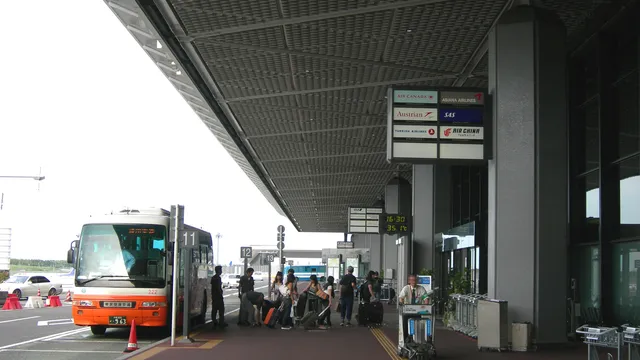
Getting from Narita or Haneda to Tokyo: Your Options
Comparing the train, airport bus, and private transfer options for getting from Narita or Haneda to central Tokyo.

How to Choose an eSIM for Japan
A practical walkthrough for picking between eSIM and pocket Wi-Fi for a trip to Japan, including coverage, data, and activation tips.