Skip to content
Easy Travel in Japan
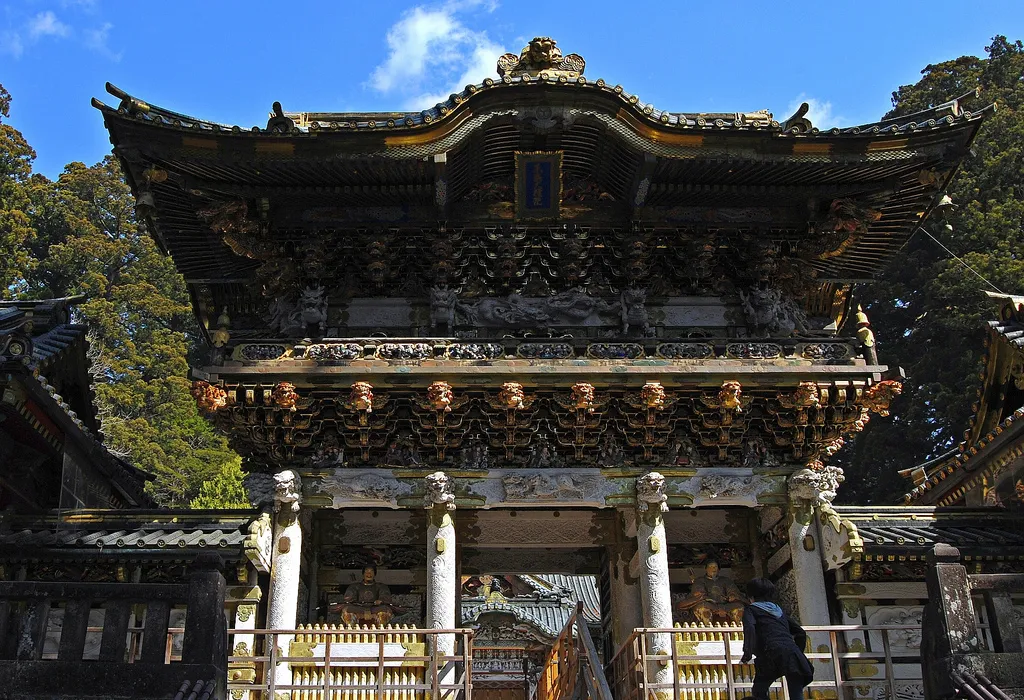
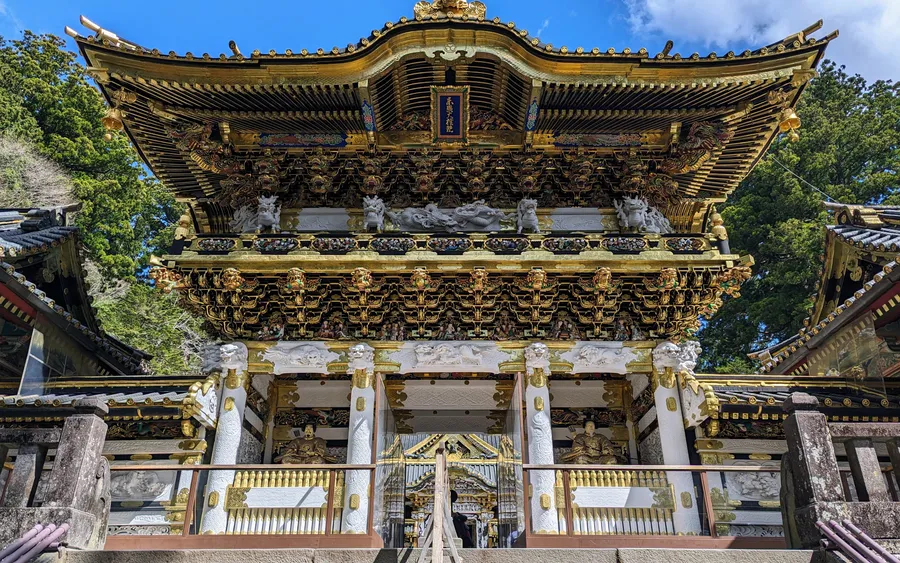
Yomeimon Gate, Nikko Toshogu Shrine

The Ultimate Nikko Travel Guide

Nikko is a city in the mountains of Tochigi Prefecture, about two hours north of Tokyo by train, built around one of Japan’s most important religious sites and, further up the road, a national park of lakes, waterfalls, and marshland. Here’s a closer look at the shrines, scenery, and flavors that make it worth the trip, whether you’re doing the shrine complex as a day trip or staying long enough to reach Okunikko as well.

Attractions

The UNESCO shrine and temple complex that gave rise to the saying 'don't say splendid until you've seen Nikko.'

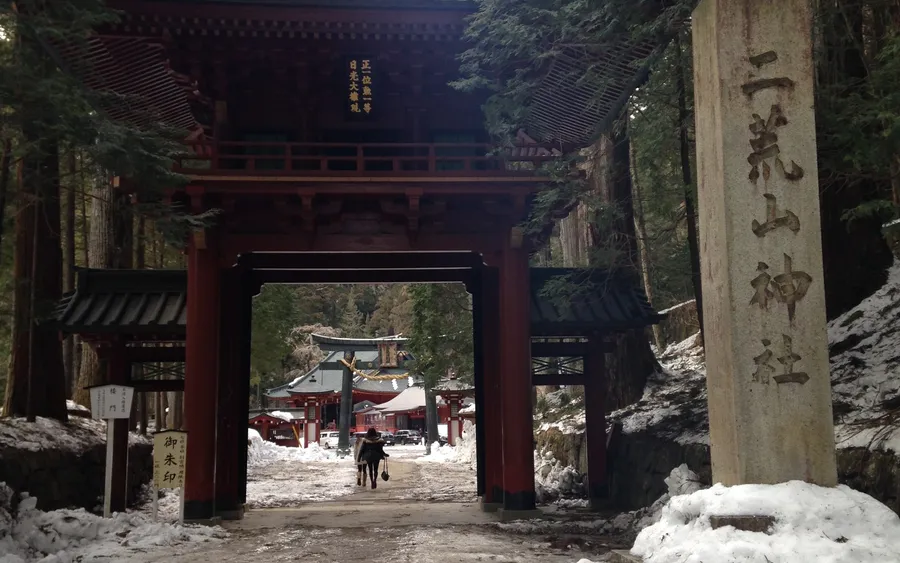
  1. Yomeimon Gate, Nikko Toshogu Shrine1

    Toshogu Shrine

    Toshogu is the elaborate mausoleum shrine built for Tokugawa Ieyasu, founder of the shogunate that ruled Japan for over 250 years, completed in 1617 and enlarged by his grandson in the 1630s. Spread across more than a dozen buildings in a forest setting, it's decorated with wood carvings and gold leaf far more lavish than most Shinto shrines. The Yomeimon Gate alone carries around 500 carvings of children, sages, and mythical creatures, and it's worth hunting down two smaller, more famous carvings elsewhere on the grounds: the original 'see no evil, hear no evil, speak no evil' three wise monkeys on the Sacred Stable, and a small sleeping cat above a doorway on the Sakashitamon Gate. Give yourself at least 90 minutes to take in the full complex without rushing.
    8:00 AM – 5:00 PM (Apr–Oct); 8:00 AM – 4:00 PM (Nov–Mar)2301 Sannai, Nikko, Tochigi 321-1431
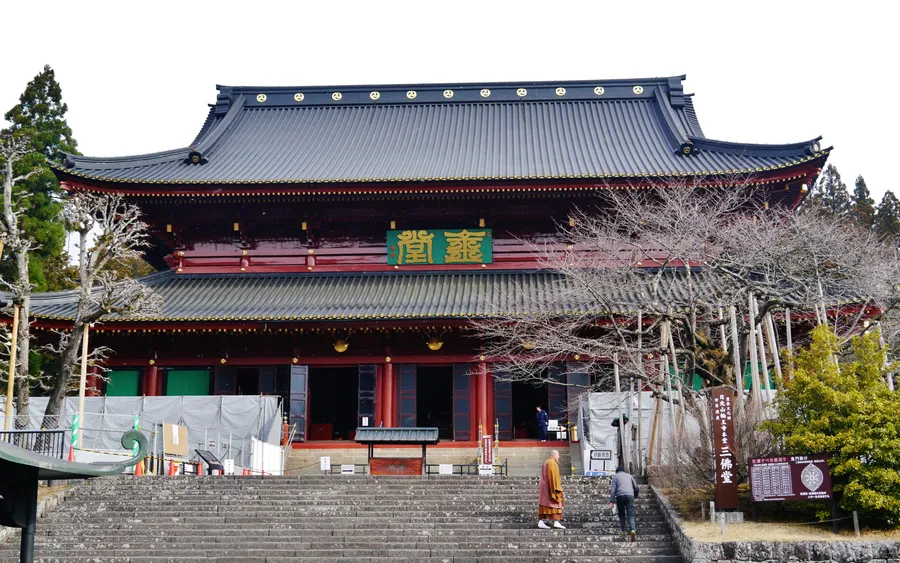
  2. Rinno-ji Temple (Sanbutsudo hall), Nikko2

    Rinno-ji Temple

    Rinno-ji sits right beside Toshogu, a reminder that the Meiji-era separation of Shinto and Buddhism was never fully carried out here. Its Sanbutsudo hall is the largest wooden structure in eastern Japan and houses three seven-meter gilded Buddhist statues, each representing a different manifestation of Nikko's sacred mountains. The temple's Shoyo-en garden, smaller and quieter, is an easy add-on if there's time. Given how close the two sit to each other, it's a natural first or second stop after Toshogu.

    8:00 AM – 5:00 PM (Apr–Oct); 8:00 AM – 4:00 PM (Nov–Mar), last admission 30 min before close2300 Sannai, Nikko, Tochigi 321-1431
  3. Gate of Futarasan Shrine, Nikko3

    Futarasan Shrine

    Founded in 782 by the monk Shodo Shonin, Futarasan predates Toshogu by more than 800 years, and its formally designated precincts stretch all the way to the summits of Mount Nantai and Mount Nyoho. The shrine itself, about 200 meters west of Toshogu, is smaller and quieter than its famous neighbor, with a small paid garden to the side of the main hall holding old sacred trees and a spring. It's an easy, calmer counterpoint after the crowds and gold leaf next door.

    8:00 AM – 5:00 PM (Apr–Oct); 9:00 AM – 4:00 PM (Nov–Mar), grounds mostly free2307 Sannai, Nikko, Tochigi 321-1431
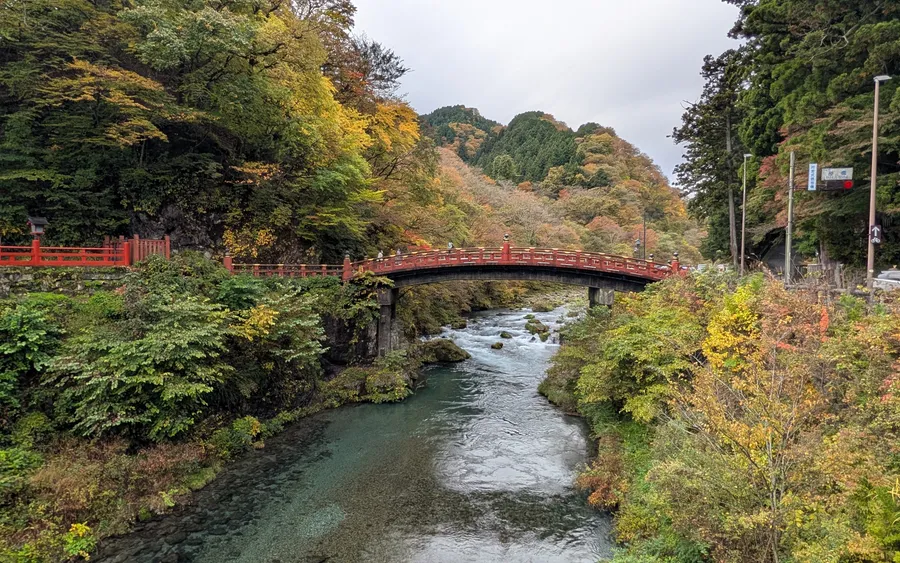
  4. Shinkyo Bridge over the Daiya River, Nikko4

    Shinkyo Sacred Bridge

    The vermilion Shinkyo Sacred Bridge arches over the Daiya River and marks the traditional entrance to Nikko's sacred precinct, ranked among Japan's three finest bridges. Crossing it requires a small ticket, though the view from the riverside is free — and, framed by the forested hillside behind it, arguably the better photo anyway. It's usually the first landmark visitors reach walking up from Tobu-Nikko or JR Nikko Station toward the shrine complex.

    8:30 AM – 4:30 PM (Apr–Oct); 9:30 AM – 3:30 PM (Nov–Mar), riverside viewing freeKamihatsuishimachi, Nikko, Tochigi 321-1401

Nature

A waterfall, a volcanic lake, and a marshland boardwalk in the mountains above the shrine complex.

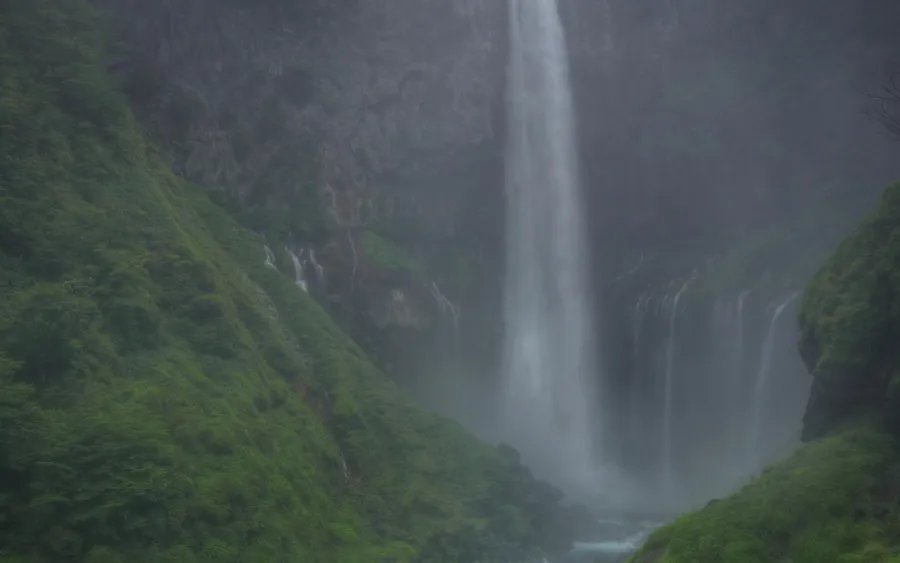
  1. Kegon Falls, Nikko1

    Kegon Falls

    Kegon Falls drops roughly 97 meters in a single sheet and is regarded as one of Japan's three most famous waterfalls, formed where Lake Chuzenji's outflow pours over a cliff of solidified lava. A free platform above gives a distant view, but an elevator built in 1930 carries visitors 100 meters down through solid bedrock to a closer observation deck at the base, where the scale and spray are far more dramatic. It's the single most-visited stop in the Okunikko area, and worth timing for a weekday morning if crowds are a concern.

    Elevator: 8:00 AM – 5:00 PM (May–Nov); 9:00 AM – 5:00 PM (Mar–Apr); 9:00 AM – 4:30 PM (Dec–Feb); upper platform free and always viewable2479-2 Chugushi, Nikko, Tochigi 321-1661
  2. Mount Nantai and Lake Chuzenji, Nikko2

    Lake Chuzenji

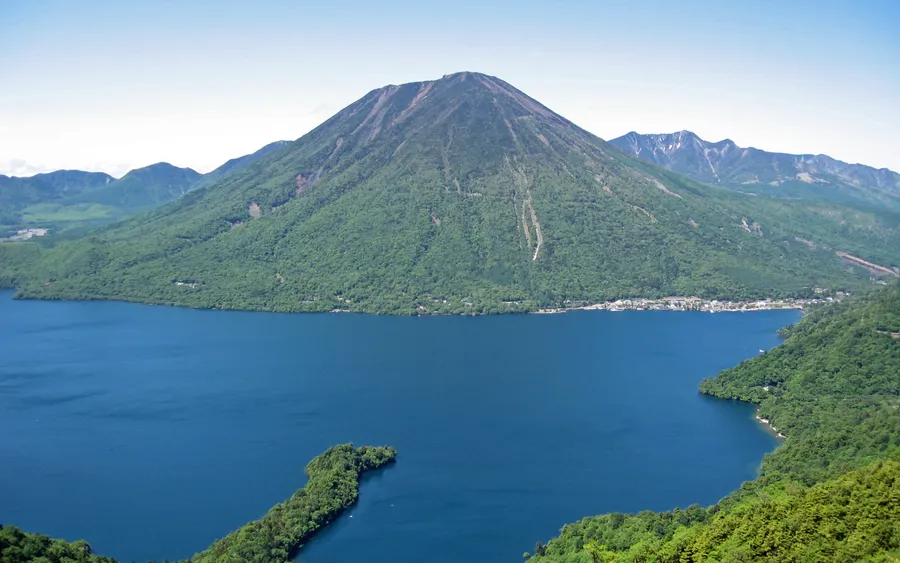
    Lake Chuzenji formed around 20,000 years ago when an eruption of Mount Nantai dammed the river below it, and it now sits at over 1,200 meters elevation, ringed by forested peaks with the volcano itself rising directly behind the water. It was a favored summer retreat for foreign embassies in the Meiji era, and several of their old villas still stand along the shore. The lake stays noticeably cooler than central Nikko, let alone Tokyo, making it a natural place to slow down after the drive up.

  3. Senjogahara marshland trail in autumn, Nikko3

    Senjogahara Marshland

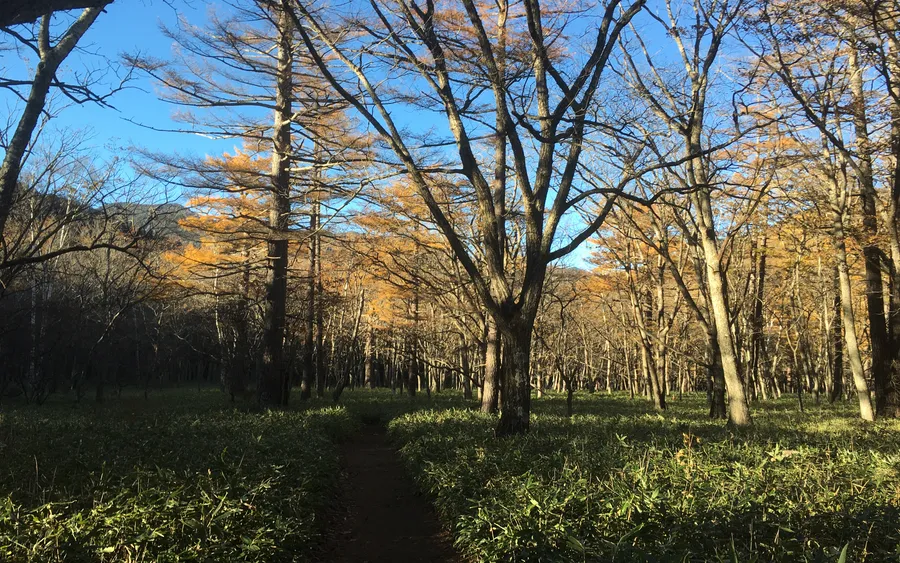
    Senjogahara is a Ramsar-listed wetland home to more than 350 plant species, with a boardwalk trail running several kilometers between Yumoto Onsen and Lake Chuzenji through open marsh and birch woodland. It's flat and easy walking by Nikko's standards, popular with birdwatchers, and turns a rich gold and copper color in autumn when the surrounding trees change. Even a short stretch of the trail is enough to feel a long way from the shrine crowds back in town.

  4. Irohazaka Winding Road in autumn, Nikko National Park4

    Irohazaka Winding Road

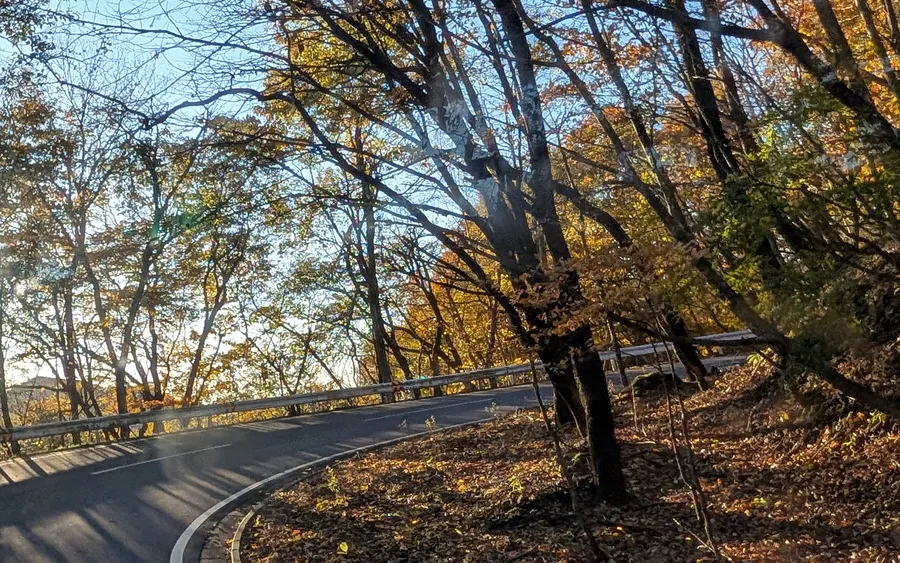
    The Irohazaka road climbs roughly 440 meters from central Nikko up to the Okunikko plateau in a continuous run of hairpin turns, split into a one-way uphill route and a separate one-way downhill route so traffic never meets head-on. Each of its 48 curves is traditionally named after a character of the old Japanese iroha syllabary, in order, as a kind of running joke for the drive. It's one of the more scenic approaches to any national park in Japan, especially in autumn when the switchbacks cut through solid color.

Food

Two ways to try Nikko's signature tofu skin, from a sit-down plate to a takeout snack.

  1. Kumiage yuba and sashimi yuba1

    Yuba

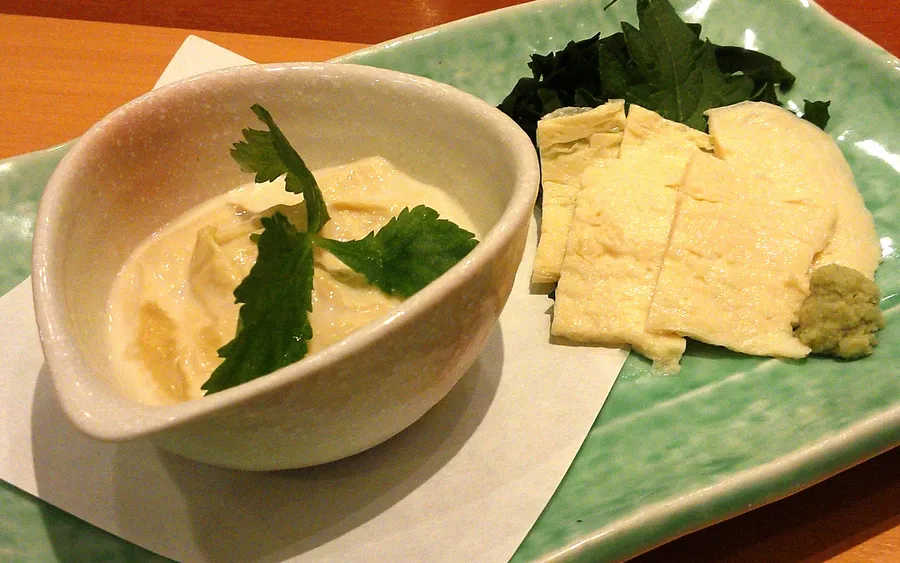
    Yuba, the skin that forms on the surface of simmering soy milk, has been a Nikko specialty for centuries, rooted in the area's many Buddhist temples, which needed protein-rich, meat-free food for monks, and in the purity of Nikko's mountain water. Nikko-style yuba is folded in half as it's lifted from the pot, making it noticeably thicker than the single-layer Kyoto style. It shows up as delicate sashimi-style slices, in simmered or fried dishes, and as a soba topping across restaurants in town.

  2. Yuba musubi, Fudaraku Honpo, Nikko2

    Yuba Musubi

    Yuba musubi wraps seasoned sticky rice — cooked with dashi and Tochigi-grown glutinous rice — inside a sheet of semi-fresh Nikko yuba, pairing the yuba's smooth texture against the rice's chewy, mochi-like bite. Fudaraku Honpo, a long-established sweet shop in town, is one of the best-known places to pick one up as a takeout snack while walking between the shrine complex and Shinkyo Bridge. It's a simple, portable way to try the local specialty without sitting down for a full meal.

Keep reading

More guides you might like

Nearby

Related destinations

Continue

Related services

Easy Travel in Japan