Skip to content
Easy Travel in Japan
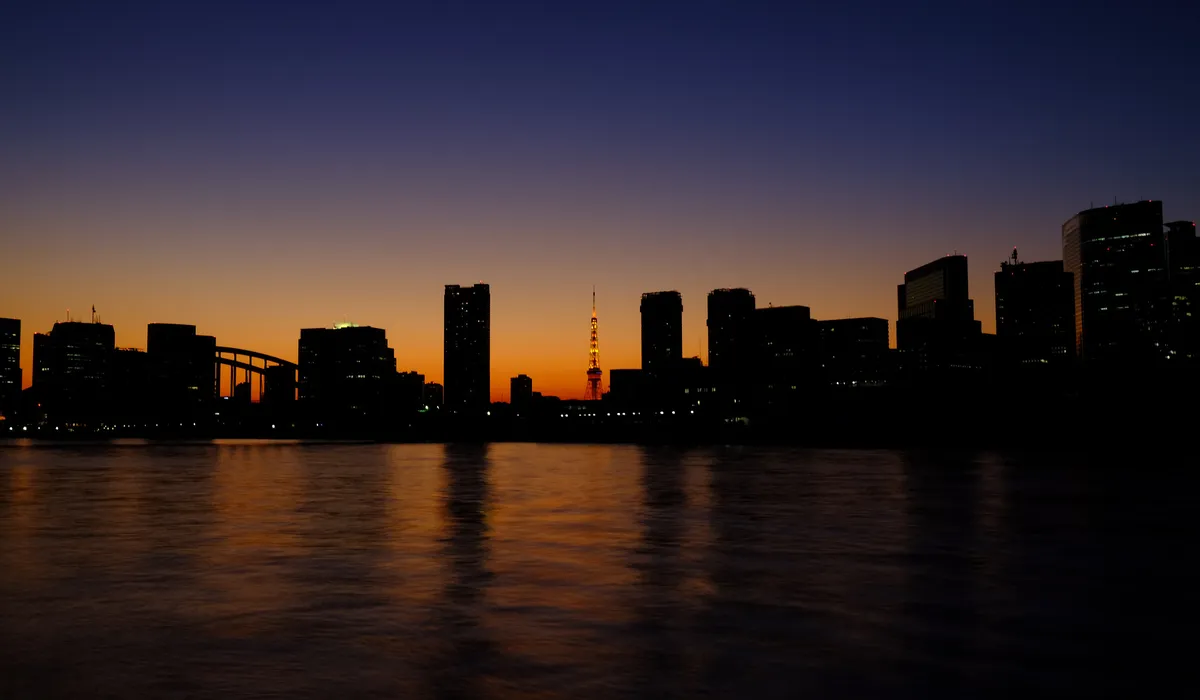
Tokyo Tower at dusk

The Ultimate Tokyo Travel Guide

Tokyo is Japan’s capital, a metropolis of roughly 14 million people that mixes centuries-old temples and shrines with some of the densest, most modern districts in the world. Here’s a closer look at the landmarks, neighborhoods, and flavors that make it worth the trip, whether you’re here for a few days or using it as a base for the wider Kanto region.

Attractions

The landmarks that anchor a first trip to Tokyo, from a 7th-century temple to the tallest tower in Japan.

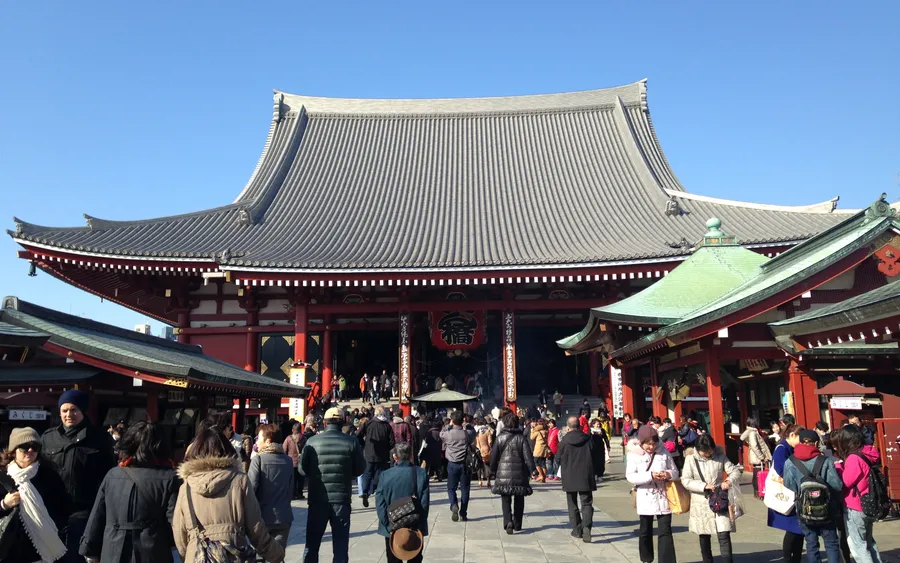
  1. Hondo (Main Hall) of Senso-ji Temple, Asakusa1

    Senso-ji

    Senso-ji is Tokyo's oldest Buddhist temple, its origin traced to 628, when two fishermen brothers reportedly pulled a small golden statue of Kannon from the Sumida River; the temple was formally established around it in 645. Its bright red Main Hall and five-story pagoda, rebuilt in postwar concrete after the originals burned in 1945, anchor the Asakusa district and draw worshippers and visitors in roughly equal numbers. The grounds themselves are open around the clock and free to enter, so an early visit before the tour groups arrive is easy to arrange. Nakamise-dori, the approach street leading up to it, has sold souvenirs and snacks to pilgrims for centuries and is worth as much time as the temple itself.

    Grounds always open, free; Main Hall 6:00 AM – 5:00 PM (6:30 AM Oct–Mar)2-3-1 Asakusa, Taito City, Tokyo 111-0032
  2. Meiji Jingu torii, Tokyo2

    Meiji Jingu

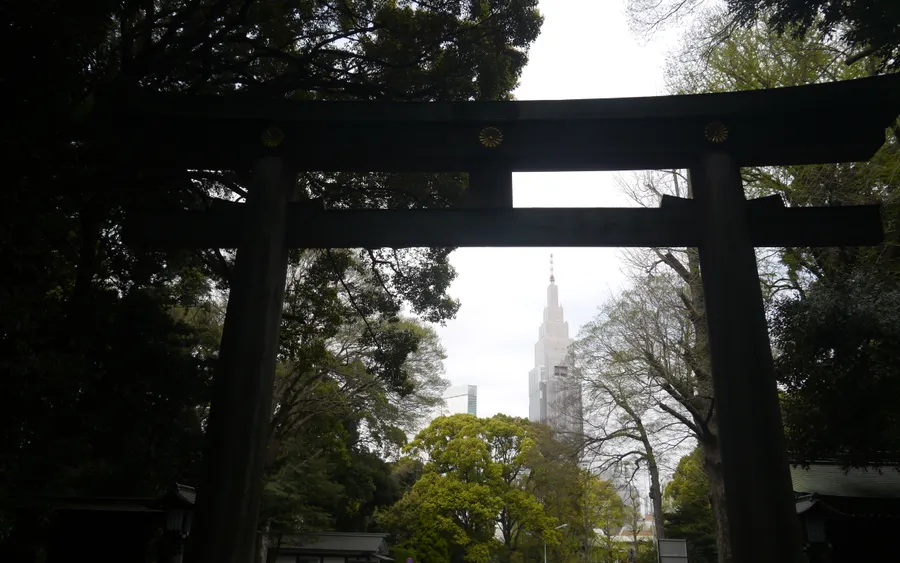
    Meiji Jingu sits inside an artificial forest of roughly 100,000 trees, donated from across Japan and planted when the shrine was built in the 1910s to honor Emperor Meiji and Empress Shoken. The approach from Harajuku Station winds through this forest for several minutes before reaching the shrine buildings, a genuinely effective transition from one of Tokyo's busiest districts to near-silence. Large sake and wine barrels line the path partway in, donated by producers as offerings, and are one of the more photographed details on the walk. It's a working shrine rather than a museum piece, so weddings and seasonal ceremonies are a common, welcome sight.

    Sunrise to sunset, roughly 5:00 AM – 6:30 PM (Jun) to 6:40 AM – 4:00 PM (Dec)1-1 Yoyogikamizonocho, Shibuya City, Tokyo 151-8557
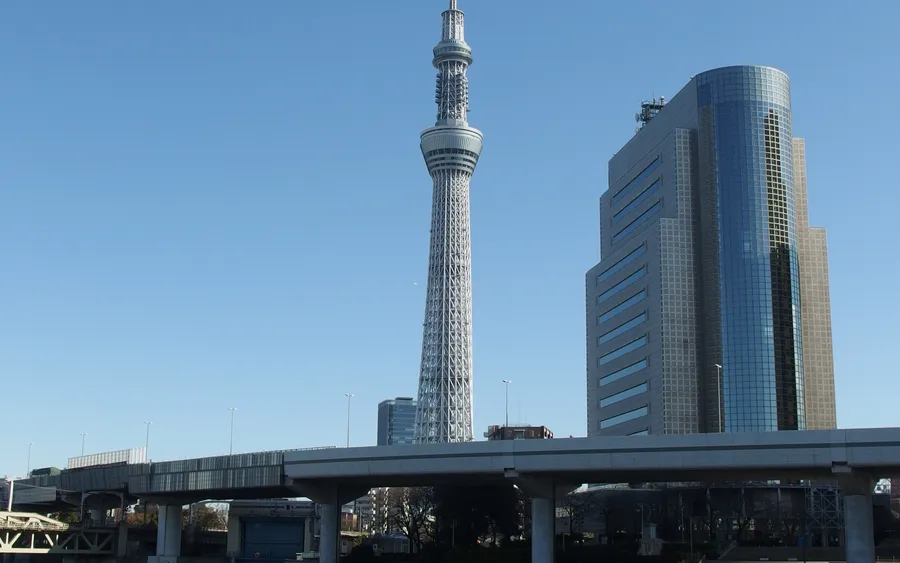
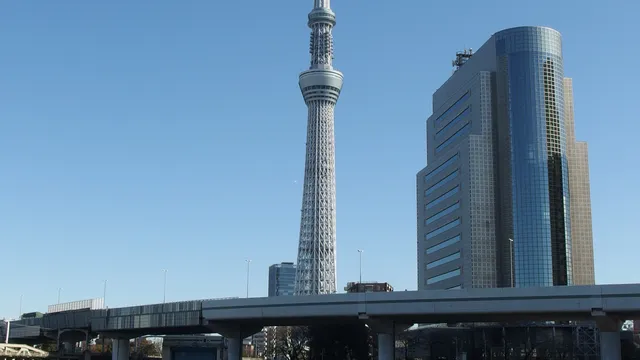
  3. Tokyo Skytree from the Sumida River, Asakusa3

    Tokyo Skytree

    Tokyo Skytree rises 634 meters over the Sumida district, the tallest tower in Japan, with observation decks at 350 meters (Tembo Deck) and 450 meters (Tembo Galleria). It was built to replace Tokyo Tower as the region's primary broadcasting tower once surrounding high-rises started blocking the older tower's signal, but it's since become a landmark in its own right, especially at night when the tower's lighting changes color by the day. The base sits inside Tokyo Skytree Town, a shopping and aquarium complex that makes it easy to combine the view with a few hours of browsing. Come at dusk if you can — the deck lets you watch the city's lights come on from above.

    10:00 AM – 9:00 PM (Mon–Sat); 9:00 AM – 10:00 PM (Sun & holidays), hours vary seasonally1-1-2 Oshiage, Sumida-ku, Tokyo 131-0045
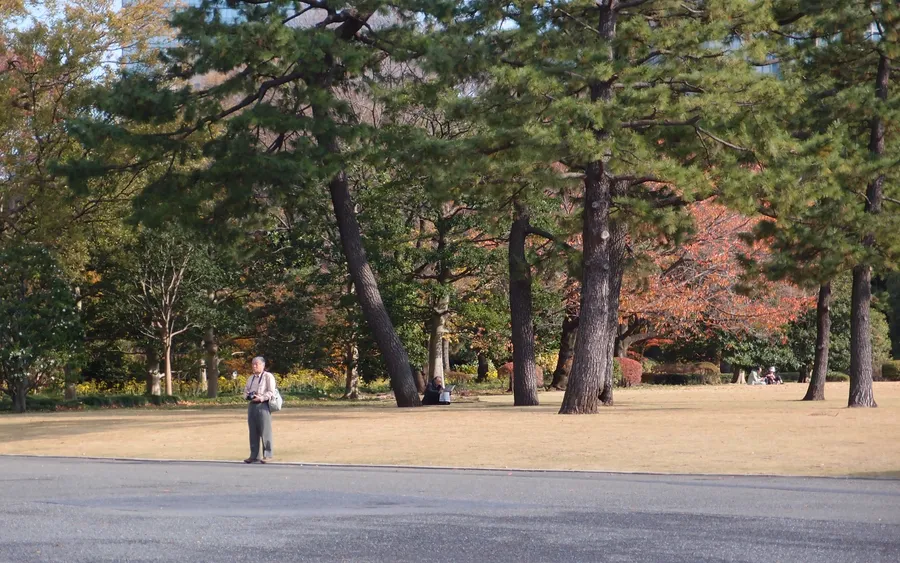
  4. Imperial Palace East Gardens, Tokyo4

    Imperial Palace East Gardens

    The Imperial Palace East Gardens occupy part of the former Edo Castle grounds and are free to enter, a rare stretch of open lawn and formal planting at the very center of the city. Stone walls and moats from the original 17th-century castle still frame parts of the grounds, giving a sense of scale for just how large Edo Castle once was before most of it burned or was dismantled. The gardens are closed Mondays and Fridays, so it's worth checking the calendar before planning a visit around them. Otemon Gate, closest to Tokyo Station, is the most-used entrance and a natural stop on the way to or from Marunouchi.

    9:00 AM – 5:00 PM (Mar 1–Apr 14, Sep); 9:00 AM – 6:00 PM (Apr 15–Aug); 9:00 AM – 4:30 PM (Oct); 9:00 AM – 4:00 PM (Nov–Feb); closed Mon & Fri1-1 Chiyoda, Chiyoda City, Tokyo 100-8111

Neighborhoods

Three very different sides of the city, from a neon crossing to a shitamachi shopping lane that survived the war.

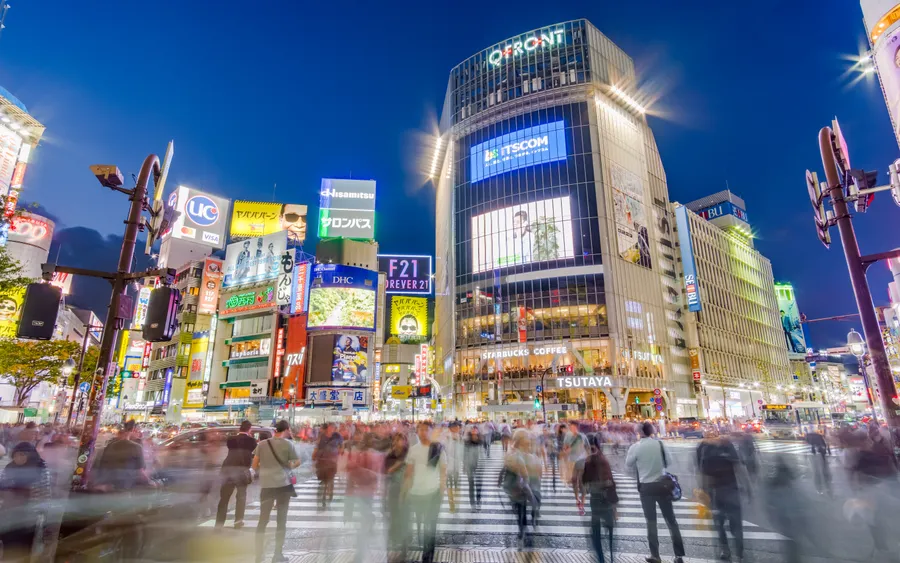
  1. Shibuya Scramble Crossing, Tokyo1

    Shibuya Scramble Crossing

    Shibuya Scramble Crossing sends pedestrians surging across five converging crosswalks each time the lights change, with as many as 3,000 people reportedly crossing at once during peak times — one of the most-photographed intersections in the world. The Hachiko exit of Shibuya Station puts you right at it, named for the loyal Akita dog whose statue nearby has become a popular meeting point in its own right. A window seat at one of the surrounding cafes gives the best overview of the pattern, though walking across at least once is the real point. It's genuinely striking after dark, when the surrounding video screens and neon signage light up the whole intersection.

  2. Akihabara Electric Town, Tokyo2

    Akihabara

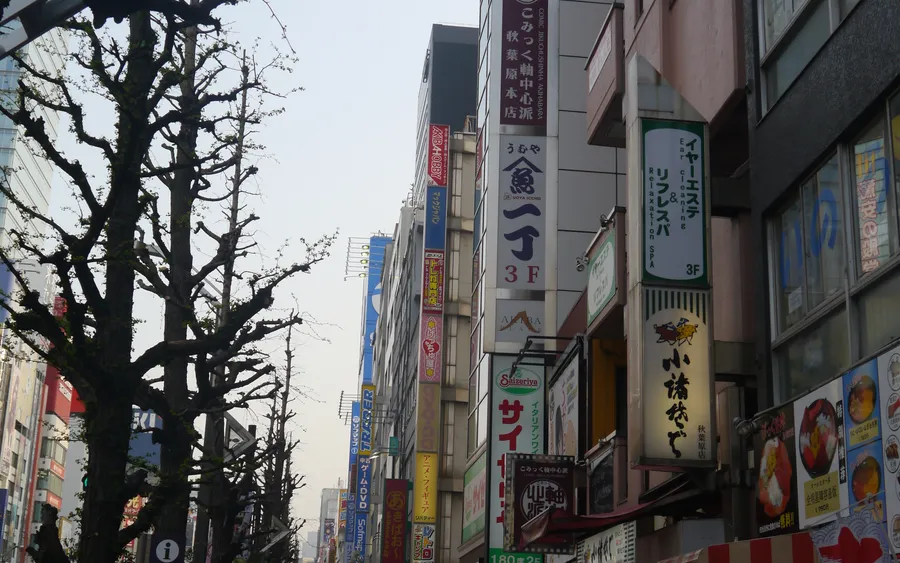
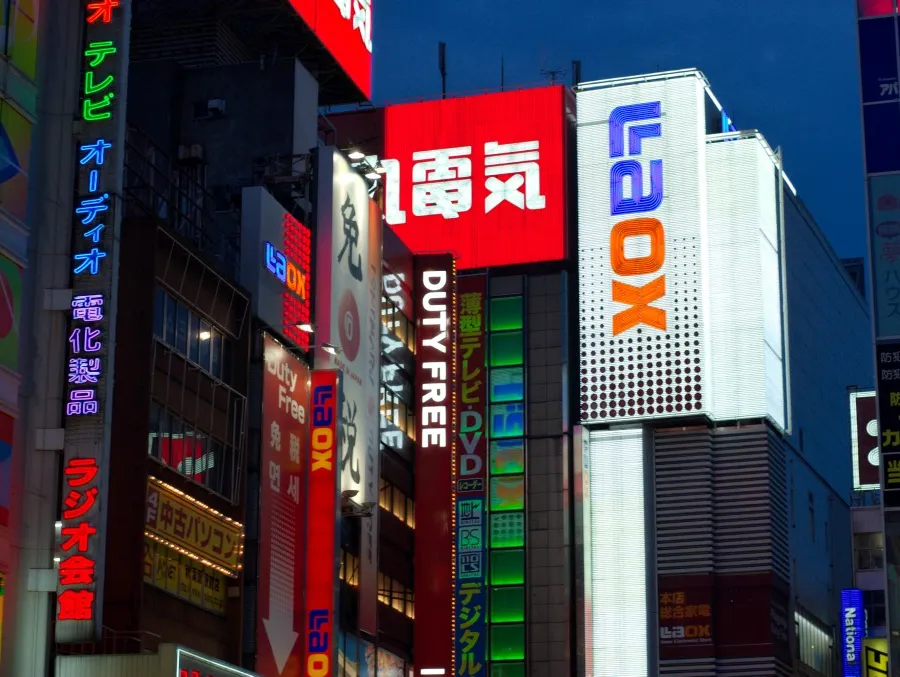
    Akihabara grew from a postwar black-market electronics district into the center of Japan's anime, manga, and gaming culture, its main streets still lined with multi-story electronics retailers alongside shops devoted entirely to a single franchise or hobby. Maid cafes, retro arcades, and figure shops sit stacked on top of each other in narrow buildings, and the district lights up especially bright after dark. It rewards wandering into side streets and upper floors as much as the main strip — some of the best specialty shops aren't visible from street level at all.

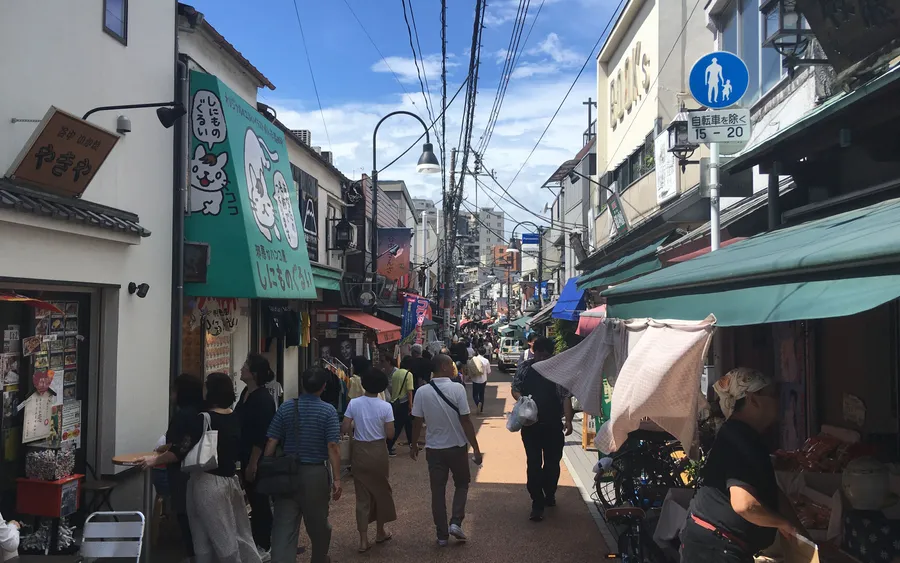
  3. Yanaka Ginza shopping street, Tokyo3

    Yanaka Ginza

    Yanaka is an old shitamachi (low city) neighborhood that largely survived both the 1923 earthquake and the WWII bombing that leveled much of the rest of Tokyo, leaving a rare stretch of Edo- and Meiji-era streets intact. Yanaka Ginza, its lively local shopping lane, is lined with small grocers, senbei shops, and cafes rather than chain stores, and the neighborhood's many cats — a long-running local mascot — turn up in shop signs and postcards throughout. It's a genuinely quieter pace than most of central Tokyo, a good antidote if the crowds elsewhere start to wear thin.

Food

A sushi breakfast and a self-cooked Tokyo specialty most first-time visitors never hear of.

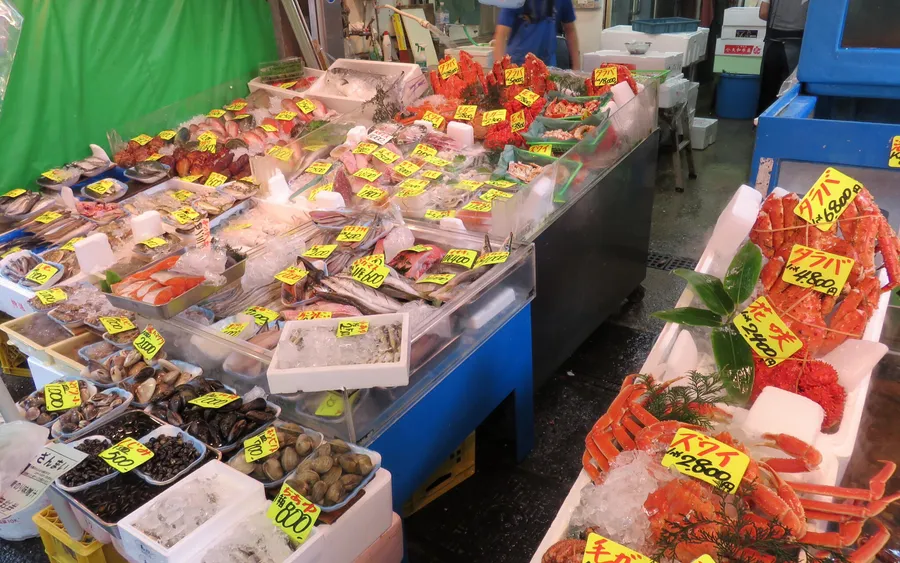
  1. Tsukiji Outer Market, Tokyo1

    Tsukiji Outer Market

    Tsukiji Outer Market remains a destination for fresh seafood and sushi breakfasts even though the wholesale fish auctions that made the area famous moved to the newer Toyosu Market in 2018. Narrow lanes packed with seafood stalls, knife shops, and small standing-sushi counters make it easy to eat your way through a morning without ever sitting down for a formal meal. Arriving early, before the late-morning tour groups, still gets you the freshest catch and the shortest lines.

  2. Monjayaki, Tsukishima, Tokyo2

    Monjayaki

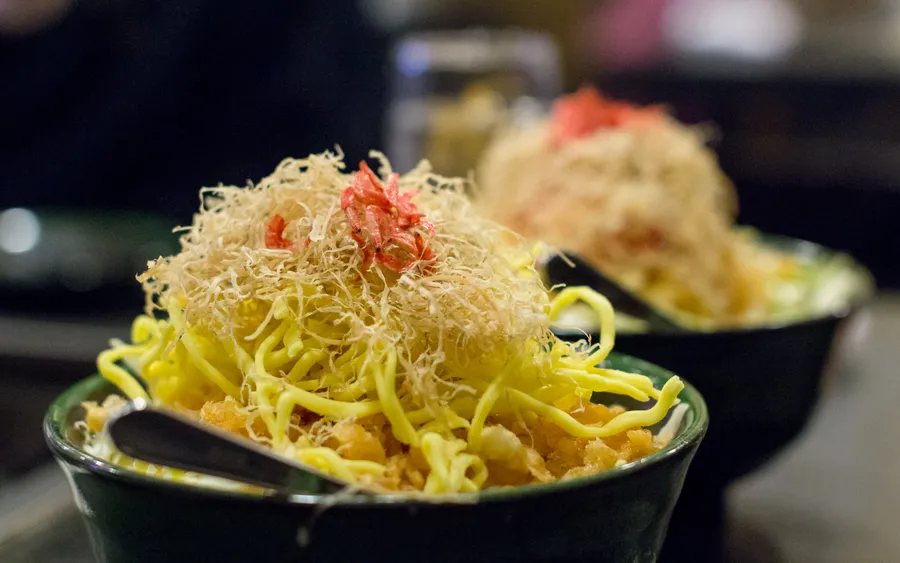
    Monjayaki is a looser, self-cooked relative of okonomiyaki — a thin, savory batter mixed with cabbage and other fillings, poured onto a hot griddle at your own table and scraped into crispy bits as it cooks. Tsukishima, a short walk from Ginza, is closely associated with the dish, its main street lined with dozens of monja restaurants side by side. It's a slower, more hands-on meal than most Tokyo dining, and a good one to share since half the fun is cooking it together.

Experiences

A late-night alley crawl and a skyline view worth timing for after dark.

  1. Golden Gai alley, Shinjuku, Tokyo1

    Omoide Yokocho & Golden Gai

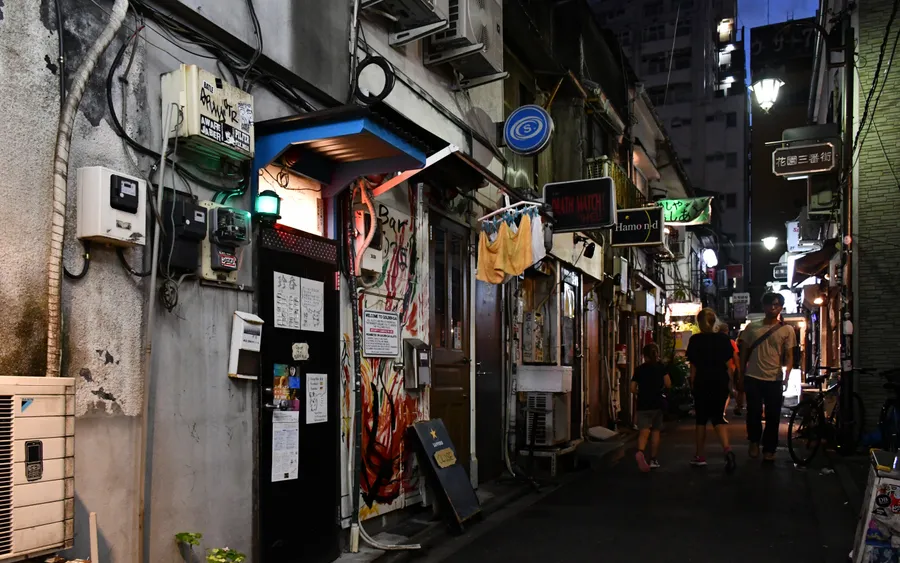
    Shinjuku's Omoide Yokocho and Golden Gai are dense alleys of tiny yakitori stalls and bars dating to the postwar and 1960s eras, most seating only a handful of people at a time. Omoide Yokocho leans toward smoky grilled skewers and a working-class postwar atmosphere, while Golden Gai's roughly 200 minuscule bars each cultivate their own theme and regulars, from jazz to horror movies to punk rock. Neither is set up for large groups — part of the appeal is squeezing into a tiny counter seat and ending up in conversation with whoever's next to you.

  2. Tokyo City View observation deck, Roppongi Hills Mori Tower2

    Tokyo City View, Roppongi Hills

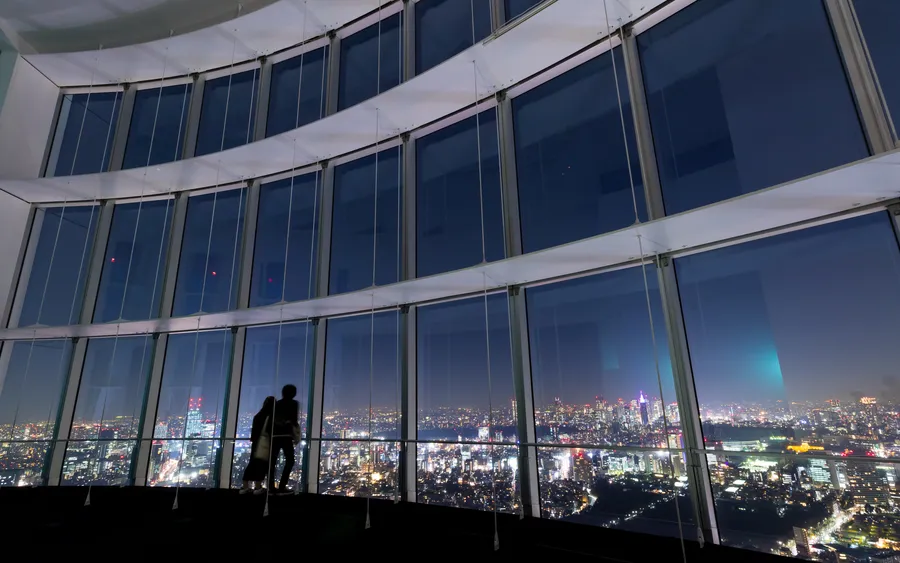
    Tokyo City View, on the 52nd floor of Roppongi Hills Mori Tower, is an indoor observation deck with a near-360-degree view over the city, paired with the Mori Art Museum on the same floor for visitors who want a gallery stop along with the skyline. On clear days, Mount Fuji is visible to the southwest, and Fridays and Saturdays keep the deck open past midnight rather than closing at the usual 10 PM. It's a good alternative to Skytree or Tokyo Tower if you'd rather combine the view with contemporary art.

    10:00 AM – 10:00 PM (Sun–Thu); 10:00 AM – 1:00 AM (Fri, Sat & days before holidays), last admission 30 min before close52F Roppongi Hills Mori Tower, 6-10-1 Roppongi, Minato-ku, Tokyo

Nature

A formal garden built around a former Edo-period estate, a short walk from one of the world's busiest stations.

  1. Footbridge, Shinjuku Gyoen National Garden, Tokyo1

    Shinjuku Gyoen

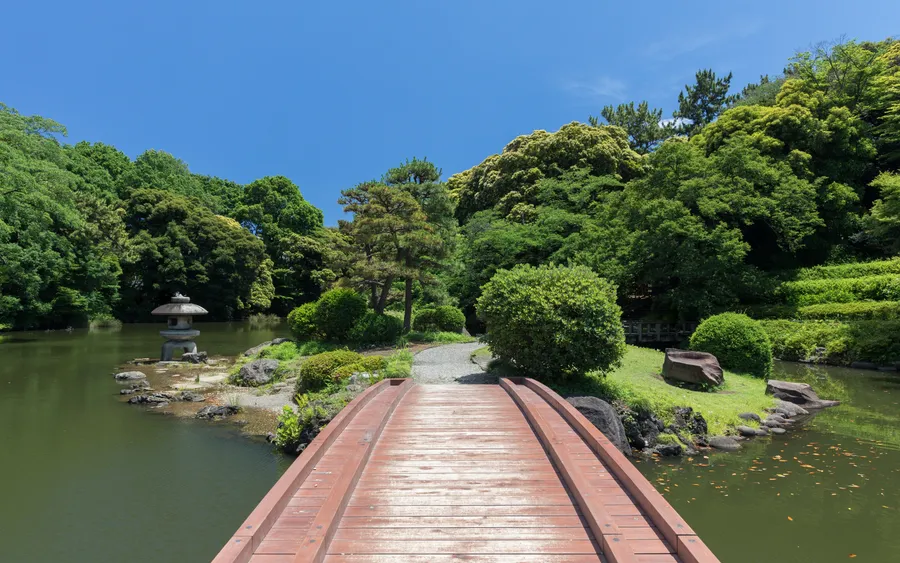
    Shinjuku Gyoen blends Japanese, French formal, and English landscape garden styles around a former Edo-period feudal estate, later an imperial garden before opening to the public after WWII. Its size and variety of planting give it a longer, more staggered cherry blossom season than most single-style parks, and its wide lawns are genuinely rare in central Tokyo — a place to sit rather than just walk through. The garden is closed Mondays, and admission runs a bit higher than most city parks, but the scale and upkeep make it worth the detour from Shinjuku Station.

    9:00 AM – 6:00 PM (Mar 15–Sep 30, excl. summer); 9:00 AM – 7:00 PM (Jul 1–Aug 20); 9:00 AM – 4:30 PM (Oct 1–Mar 14); closed Mondays11 Naito-machi, Shinjuku-ku, Tokyo 160-0014
Keep reading

More guides you might like

Nearby

Related destinations

Continue

Related services

Easy Travel in Japan