 Easy Travel in Japan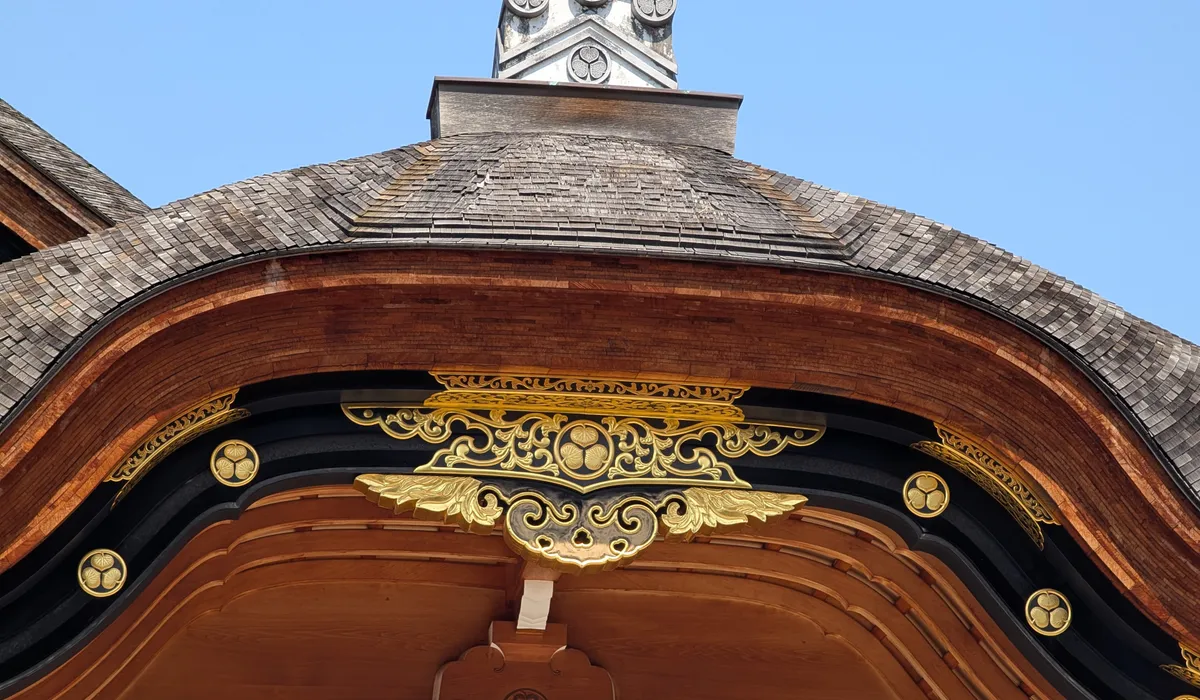
Nagoya
Japan's fourth-largest city and a central Japan hub — Nagoya Castle and one of the country's most important shrines.
Nagoya is the capital of Aichi Prefecture and Japan’s fourth most-populous city, on the Nobi Plain near Ise Bay. It developed as a castle town after 1610, when Tokugawa Ieyasu ordered Nagoya Castle built and installed his ninth son’s family — the Owari, one of the three most senior Tokugawa branches — as rulers for roughly 260 years. The wider region also produced Japan’s other two “Great Unifiers,” Oda Nobunaga and Toyotomi Hideyoshi, a point of local pride still marked in city festivals. Much of historic Nagoya, including the castle’s main keep, was destroyed in WWII air raids, and the city rebuilt into one of Japan’s leading industrial centers — home to Toyota’s headquarters area and Japan’s largest seaport. Its central position on the Tokaido Shinkansen, directly between Tokyo and Kyoto or Osaka, makes it both a practical stopover and a destination for its own castle-town history and food culture.
Highlights & things to do
Nagoya Castle’s Honmaru Palace, rebuilt using traditional materials and techniques over a decade, reopened to the public in 2018 with reconstructed Shoin-style interiors and Edo-period paintings; the main keep itself is currently closed to visitors pending a planned wood reconstruction. Atsuta Shrine, a five-minute ride from Nagoya Station, ranks among Shinto’s most important shrines — it’s said to enshrine the sacred sword Kusanagi, one of the three Imperial Regalia, though the sword itself is never displayed. The Tokugawa Art Museum, opened in 1935, holds items passed down through the Owari Tokugawa family, including nine National Treasures such as illustrated handscrolls of the Tale of Genji.
For a different kind of history, the SCMAGLEV and Railway Park displays 39 real railcars from steam locomotives to Shinkansen and a superconducting maglev train, and the Toyota Commemorative Museum of Industry and Technology, housed in the company’s original 1911 textile-machinery factory, traces its evolution from looms to automobiles. Osu Kannon Temple, relocated here on Ieyasu’s orders in 1612, anchors the lively Osu shopping arcade, where over 400 shops mix traditional goods, street food, and anime and vintage culture.
Food & local cuisine
Nagoya’s food culture, known locally as “Nagoya meshi,” is distinctive and hearty. Hitsumabushi is grilled eel served over rice, traditionally eaten in three stages — plain, with condiments, then with broth poured over as a final course. Miso katsu tops a breaded, deep-fried pork cutlet with a sauce made from Hatcho miso, a dark fermented soybean paste associated with the region. Tebasaki, deep-fried and generously seasoned chicken wings, and kishimen, a local flat wheat noodle served in dashi broth, round out the city’s best-known dishes.
Culture & traditions
Atsuta Shrine’s largest festival, Atsuta Matsuri, fills its grounds with lantern towers and taiko drumming every June 5. In mid-October, the citywide Nagoya Matsuri features a grand parade with mechanical puppet floats and a samurai procession portraying the region’s three unifying warlords. Nearby, the Arimatsu district preserves Arimatsu-Narumi Shibori, a tie-dye textile craft dating to the early Edo period, once sold as souvenirs to travelers on the old Tokaido road.
Nature & scenery
Korankei Gorge, in nearby Toyota City, is the region’s premier autumn foliage destination, its roughly 4,000 maple trees said to have been planted by 17th-century monks along a ravine. Closer to the city center, Tsuruma Park, opened in 1909, is Nagoya’s most popular cherry blossom spot, and the Higashiyama Zoo and Botanical Gardens combine a large zoo with botanical gardens holding around 7,000 plant species.
Seasonal travel
Spring brings cherry blossoms to Nagoya Castle’s grounds and Tsuruma Park, generally peaking in late March to early April. Early summer centers on the Atsuta Matsuri in June. Autumn foliage peaks at Korankei Gorge from mid-November into early December, with evening illuminations during the festival period. Mid-October brings the citywide Nagoya Matsuri parade.
Recommended experiences
Walk Osu Shopping Arcade and visit Osu Kannon Temple. Tour Nagoya Castle’s Honmaru Palace for its reconstructed Edo-period interiors. Take a hands-on shibori tie-dyeing workshop in the historic Arimatsu district. Hike Korankei Gorge during peak autumn foliage with its evening illuminations. Sample a Nagoya meshi food crawl covering hitsumabushi, miso katsu, and tebasaki.
Getting there & practical info
Chubu Centrair International Airport connects to central Nagoya via the Meitetsu Airport Line in under 30 minutes. Nagoya Station is a major stop on the Tokaido Shinkansen, roughly 35–40 minutes from Kyoto and around 50 minutes from Shin-Osaka on the fastest Nozomi services. Its central location makes it a convenient one- or two-day stopover between Tokyo and the Kansai region, or a base for day trips to Takayama and Kanazawa.
Who this suits
A good fit for stopover travelers linking Tokyo with Kyoto or Osaka, food lovers seeking a distinctive regional cuisine, and anyone interested in castle-town history or Japan’s rail and manufacturing heritage.
A closer look at Nagoya
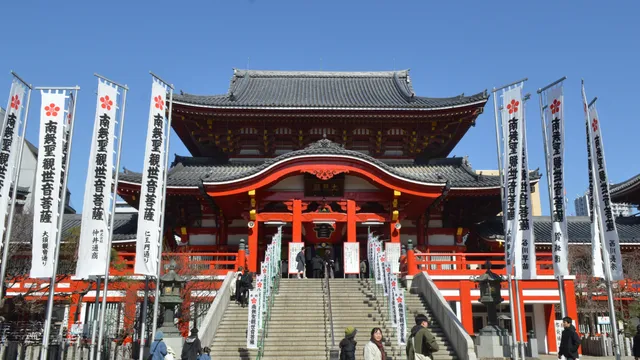
11 Best Things to Do in Nagoya
A quick, friendly rundown of Nagoya's biggest highlights — from a rebuilt Edo-period palace to grilled eel eaten in three stages — a good starting point for a first visit to this central Japan hub.
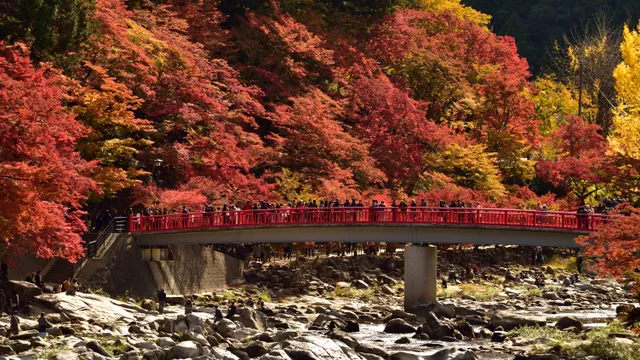
The Perfect 2-Day Nagoya Itinerary
A well-paced two days through Nagoya: the castle and shrine on day one, Osu and the city's industrial museums on day two — everything you need for a proper visit built around Nagoya meshi, not just a rushed stopover between Tokyo and Kansai.
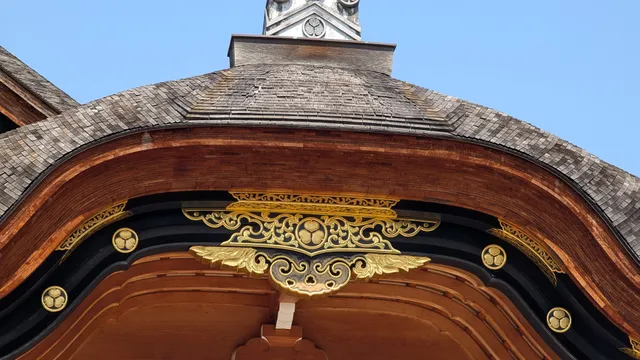
The Ultimate Nagoya Travel Guide
Japan's fourth-largest city and a central Japan hub — Nagoya Castle and one of the country's most important shrines, paired with a distinctive, hearty food culture. A friendly starting point for planning a visit or stopover.
Related destinations
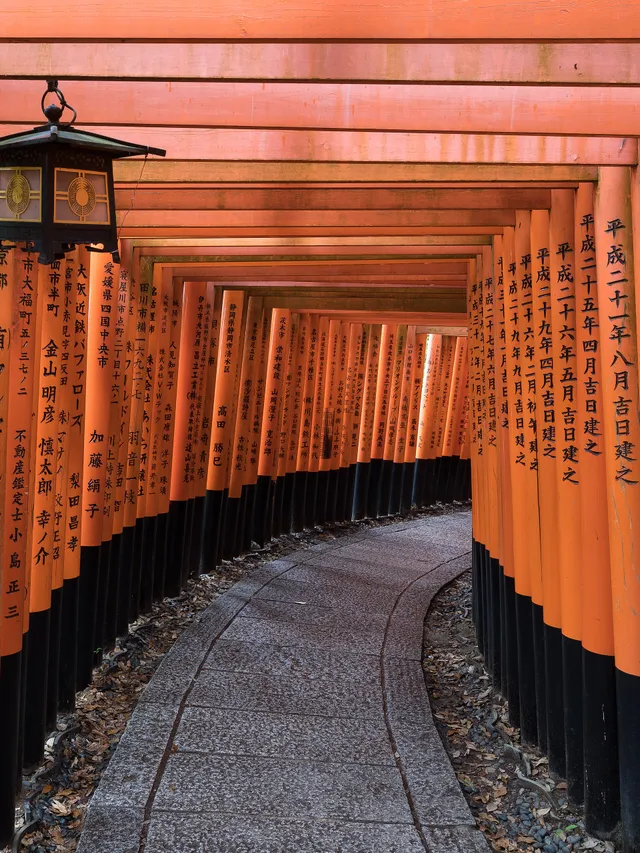
Kyoto
Japan's former capital — temples, gardens, and historic streets, best explored slowly and often on foot.
Explore Kyoto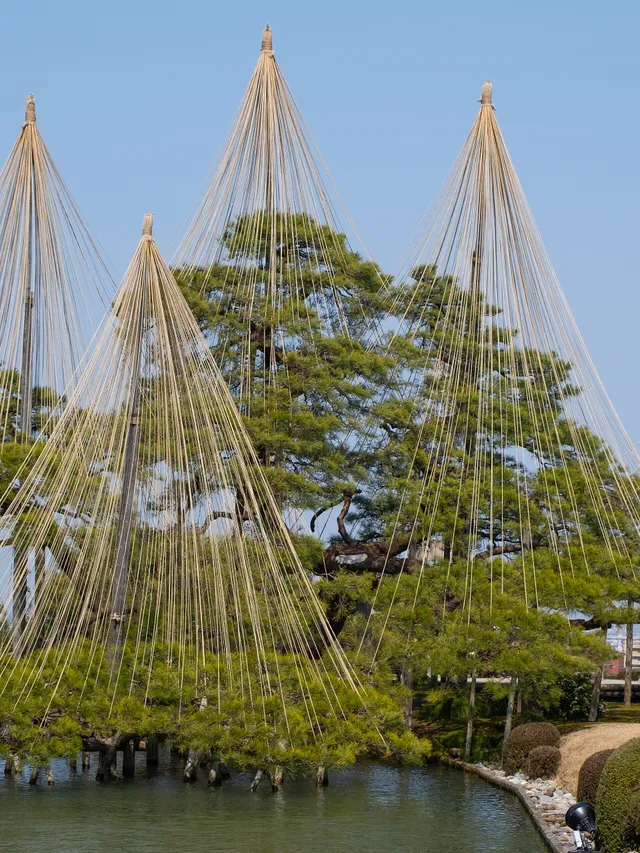
Kanazawa
A well-preserved castle town with Kenroku-en, one of Japan's three great gardens, and a historic geisha district.
Explore Kanazawa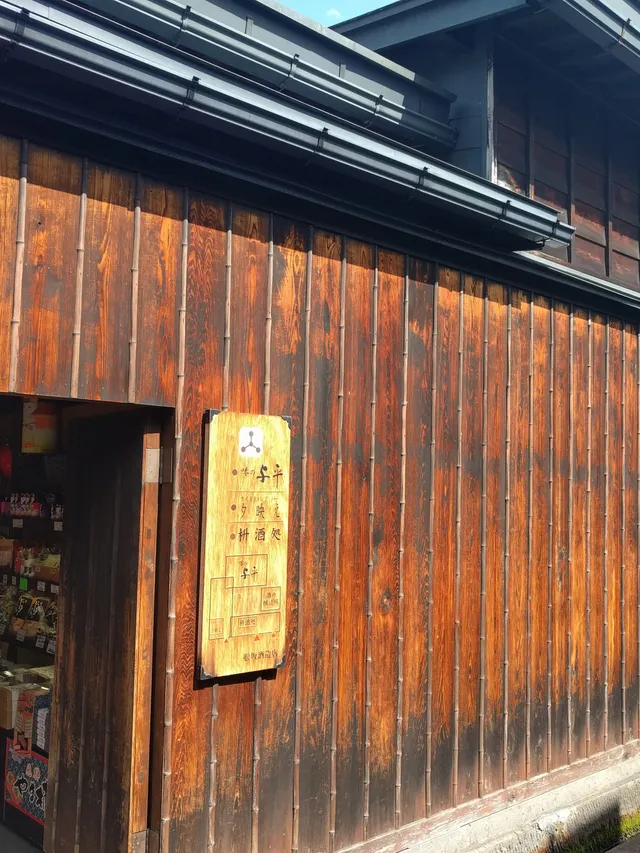
Takayama
A beautifully preserved mountain town in the Hida region, known for its old town and twice-yearly festival.
Explore TakayamaUseful services for this trip
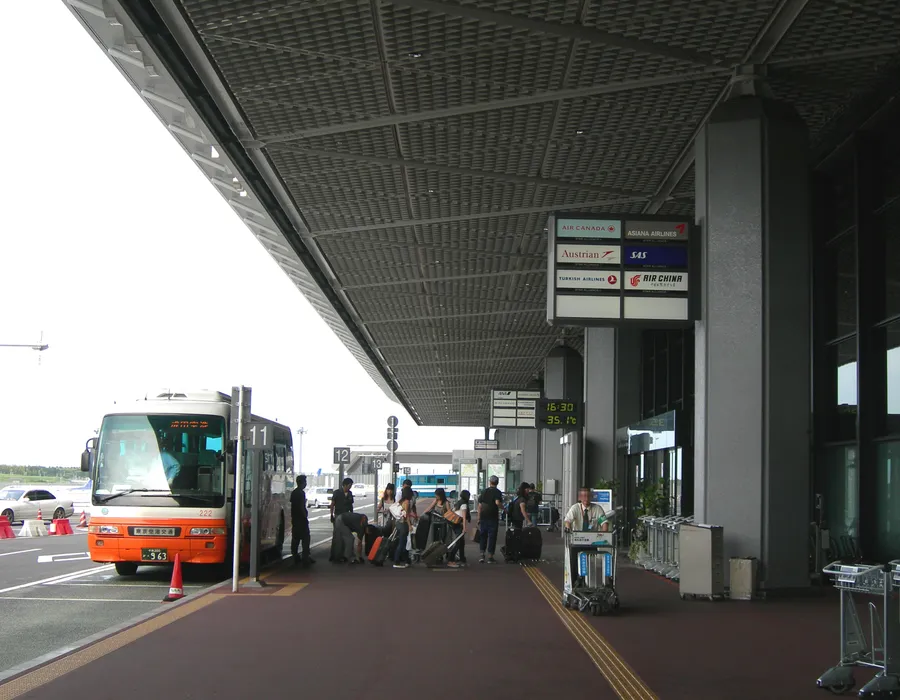
Airport Transfers
Book a fixed-price transfer from Haneda or Narita so arrival day is one less thing to figure out.
Explore Airport Transfers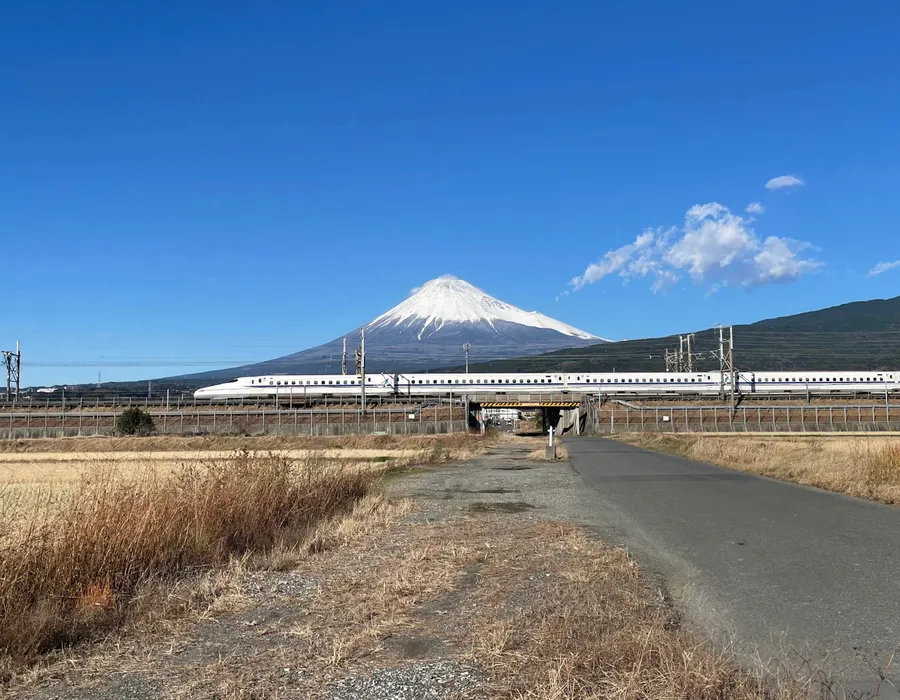
Train Tickets
Book shinkansen and local rail tickets in advance and skip the station ticket-counter queue.
Explore Train Tickets
eSIM & Wi-Fi
Stay connected in Japan with an eSIM or pocket Wi-Fi, without hunting for a local SIM shop.
Explore eSIM & Wi-Fi