Skip to content
Easy Travel in Japan
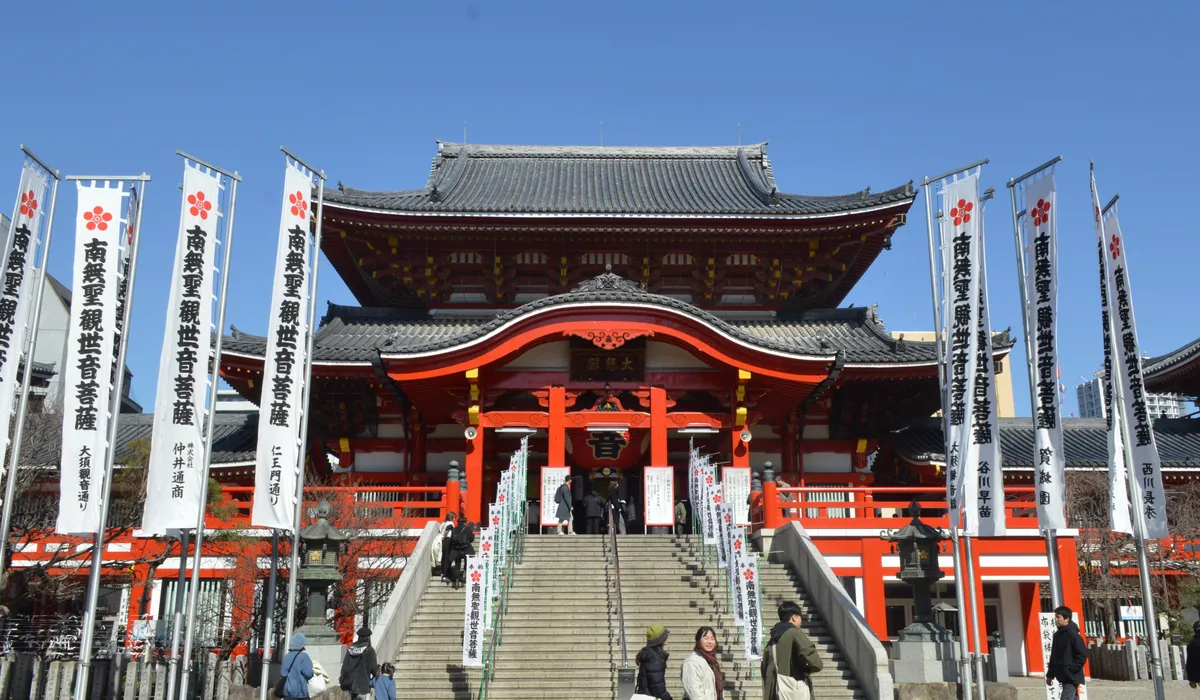
Osu Kannon main hall, Nagoya

11 Best Things to Do in Nagoya

Short on time in Nagoya? Here are eleven places and dishes first-time visitors and repeat travelers both keep coming back to — a quick list to work from if you’d rather not plan every hour of your trip.

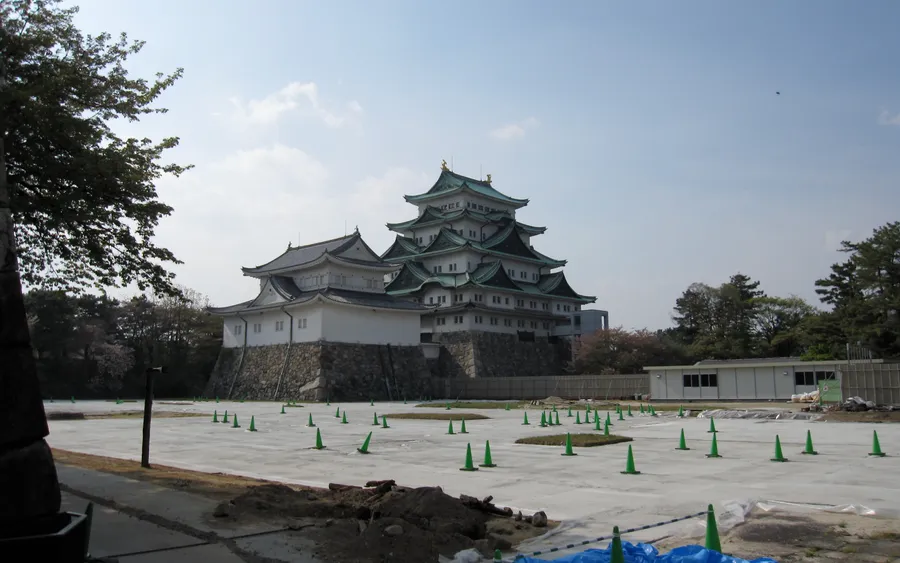
  1. Nagoya Castle1

    Nagoya Castle

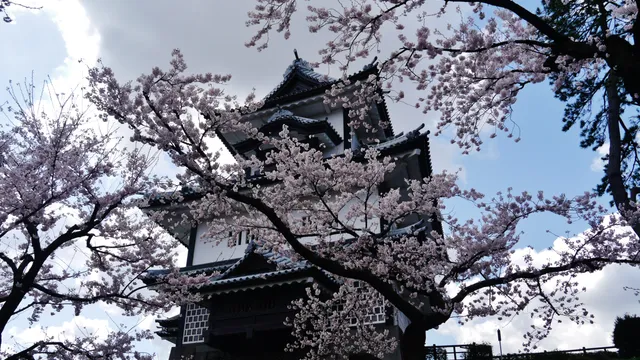
    Built from 1610 on Tokugawa Ieyasu's orders, with the Honmaru Palace rebuilt over a decade and reopened in 2018 with reconstructed Shoin-style interiors and gilded sliding-door paintings. The main keep itself is currently closed to visitors pending a wooden reconstruction — check the current status before planning around going inside.

    9:00 AM – 4:30 PM, entrance until 4:00 PM; Honmaru Palace admission included1-1 Honmaru, Naka Ward, Nagoya, Aichi 460-0031
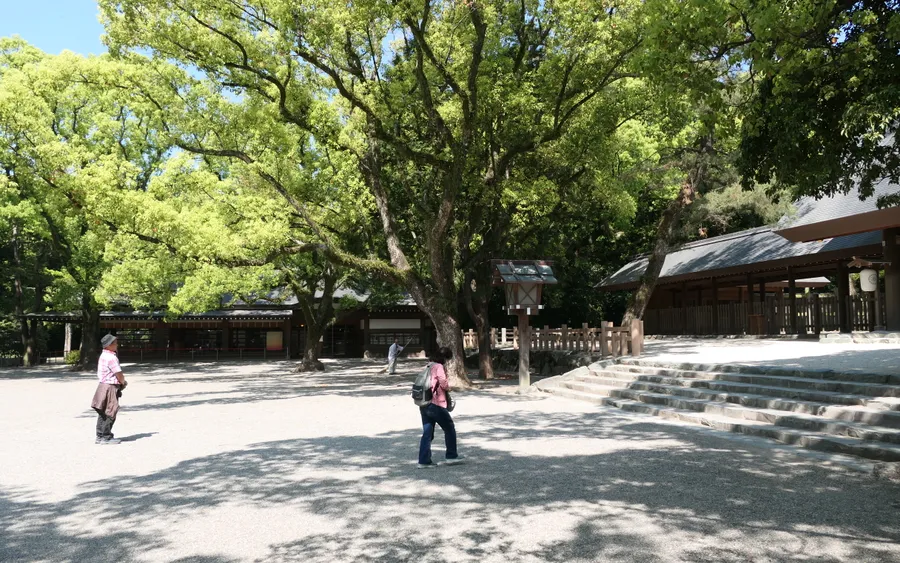
  2. Atsuta Shrine grounds, Nagoya2

    Atsuta Shrine

    One of Shinto's most important shrines, said to enshrine the sacred sword Kusanagi, one of the three Imperial Regalia of Japan. The approach winds through a forest of centuries-old camphor trees, a hushed contrast to the modern city just outside.

    Grounds always open, free; Treasure Hall 9:00 AM – 4:30 PM, last entry 4:10 PM1-1-1 Jingu, Atsuta-ku, Nagoya 456-8585
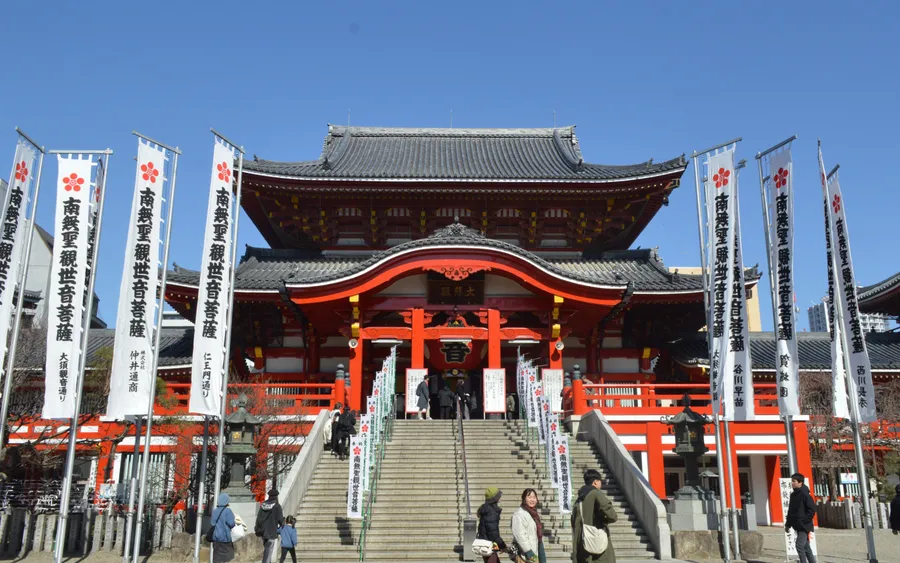
  3. Osu Kannon main hall, Nagoya3

    Osu Kannon

    Relocated here on Tokugawa Ieyasu's orders in 1612, its bright red-and-gold main hall anchors the lively Osu shopping arcade spreading out around it. As much a neighborhood hub as a religious site.

    Grounds always open, free; main hall & amulet office 6:00 AM – 7:00 PM2-21-47 Osu, Naka Ward, Nagoya 460-0011
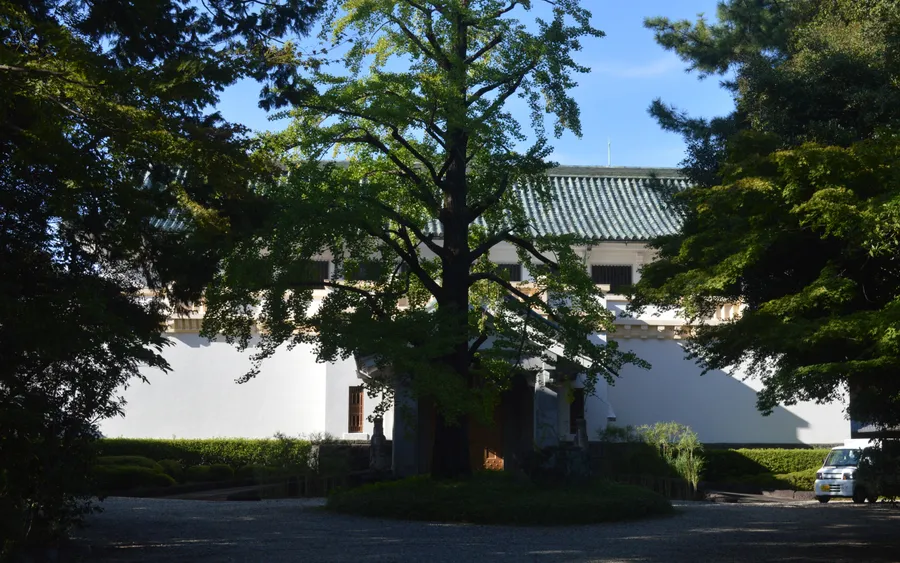
  4. Tokugawa Art Museum main building, Nagoya4

    Tokugawa Art Museum

    Holds items passed down through the Owari Tokugawa family, including nine National Treasures such as illustrated handscrolls of the Tale of Genji. The adjoining Tokugawa-en garden makes a quiet add-on to the galleries.

    10:00 AM – 5:00 PM, admission until 4:30 PM, closed Mondays1017 Tokugawa-cho, Higashi-ku, Nagoya 461-0023
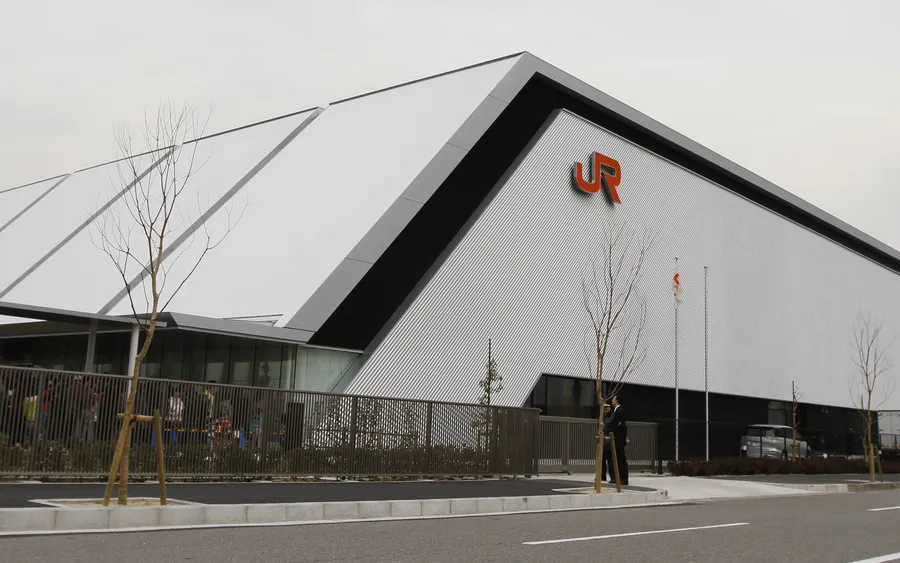
  5. SCMAGLEV and Railway Park, Nagoya5

    SCMAGLEV and Railway Park

    Displays 39 real railcars spanning the history of Japanese rail, from steam locomotives to Shinkansen models and a superconducting maglev train that once held the world speed record. A natural stop for anyone who's ridden the Shinkansen and wondered how it works.

    10:00 AM – 5:30 PM, last admission 5:00 PM, closed Tuesdays3-2-2 Kinjofuto, Minato-ku, Nagoya
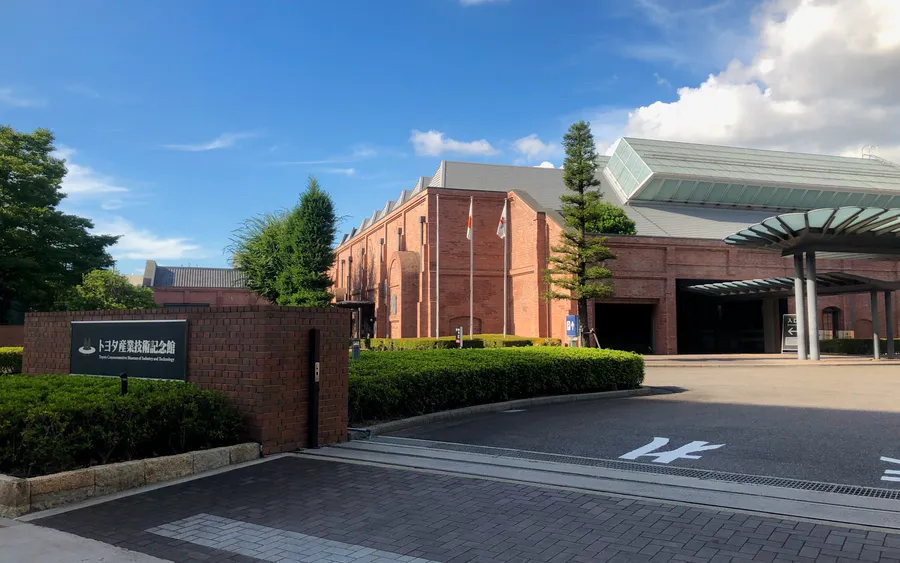
  6. Toyota Commemorative Museum of Industry and Technology, Nagoya6

    Toyota Commemorative Museum of Industry and Technology

    Housed in Toyota's original 1911 textile-machinery factory, tracing the company's evolution from automatic looms to automobiles. Working demonstrations of historic weaving machinery run throughout the day.

    9:30 AM – 5:00 PM, admission until 4:30 PM, closed Mondays4-1-35 Noritake Shinmachi, Nishi-ku, Nagoya
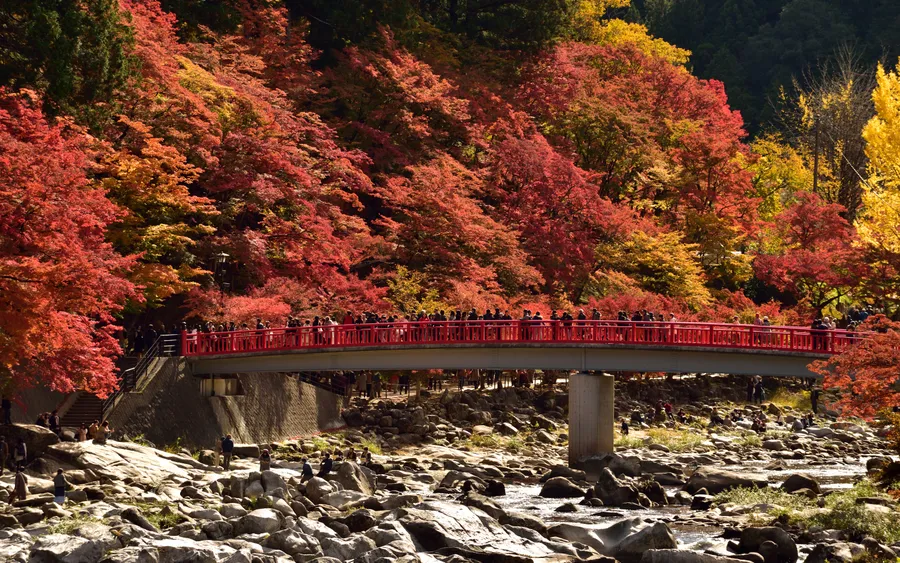
  7. Taigetsukyo Bridge, Korankei Gorge, autumn foliage7

    Korankei Gorge

    The region's premier autumn foliage destination, its roughly 4,000 maple trees said to have been planted by 17th-century monks along the Tomoe River. Taigetsukyo Bridge, arcing red over the water, is the classic shot.

    Best viewed mid-to-late November; illuminated sunset – 9:00 PM during the festival periodIimori Asukecho, Toyota, Aichi 444-2424
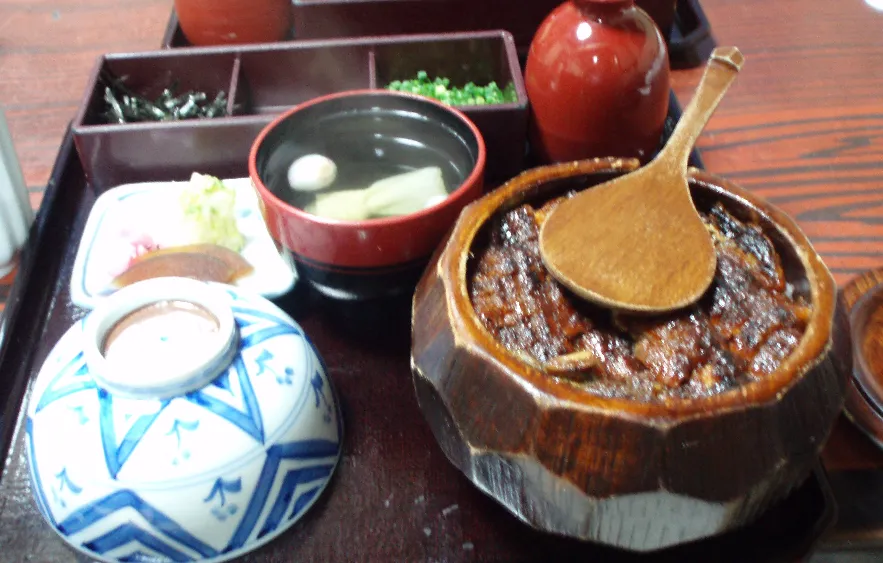
  8. Hitsumabushi, Atsuta Houraiken, Nagoya8

    Hitsumabushi

    Grilled eel served over rice, traditionally eaten in three stages — plain, with condiments, then with broth poured over as a final course. A Nagoya original developed at eel restaurants near Atsuta Shrine.

  9. Miso katsu, Nagoya9

    Miso Katsu

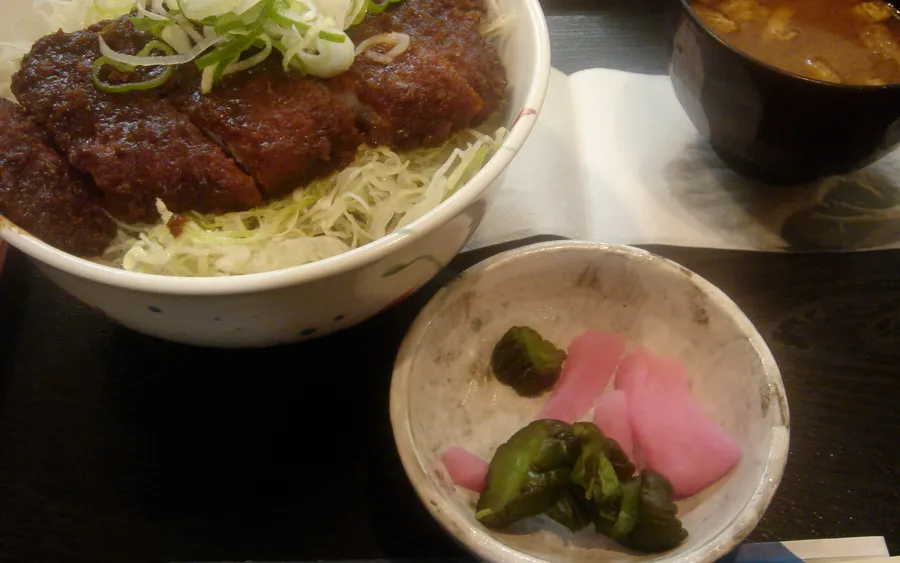
    A breaded, deep-fried pork cutlet topped with a thick sauce made from Hatcho miso, a fermented soybean paste with roots in the Nagoya area. The sauce, more intense and less sweet than miso elsewhere in Japan, is what defines the dish.

  10. Tebasaki, Nagoya-style chicken wings10

    Tebasaki

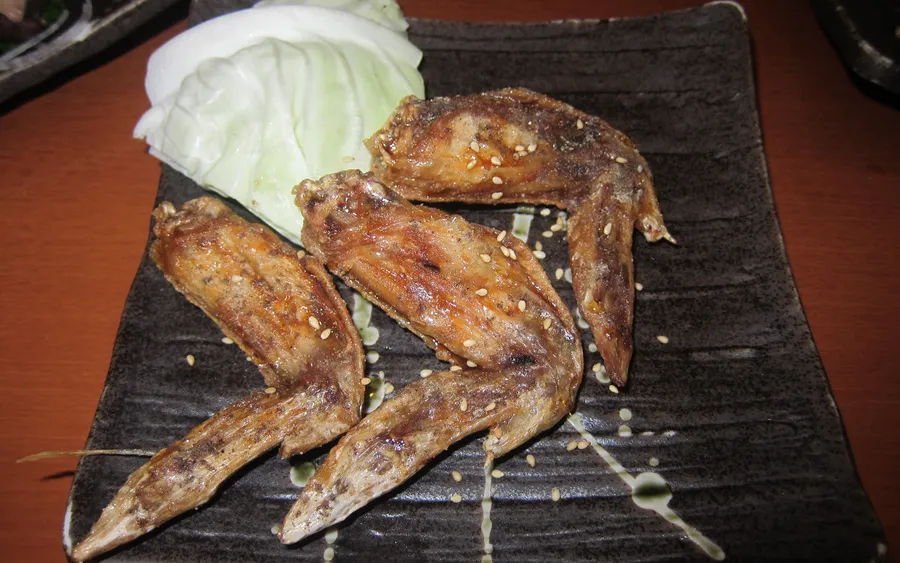
    Double-fried chicken wings with a shatteringly crisp skin, seasoned with a sweet-savory glaze and sesame — a Nagoya bar-food specialty popularized in the 1960s. Eaten with your hands, usually alongside beer.

  11. Kishimen, Nagoya11

    Kishimen

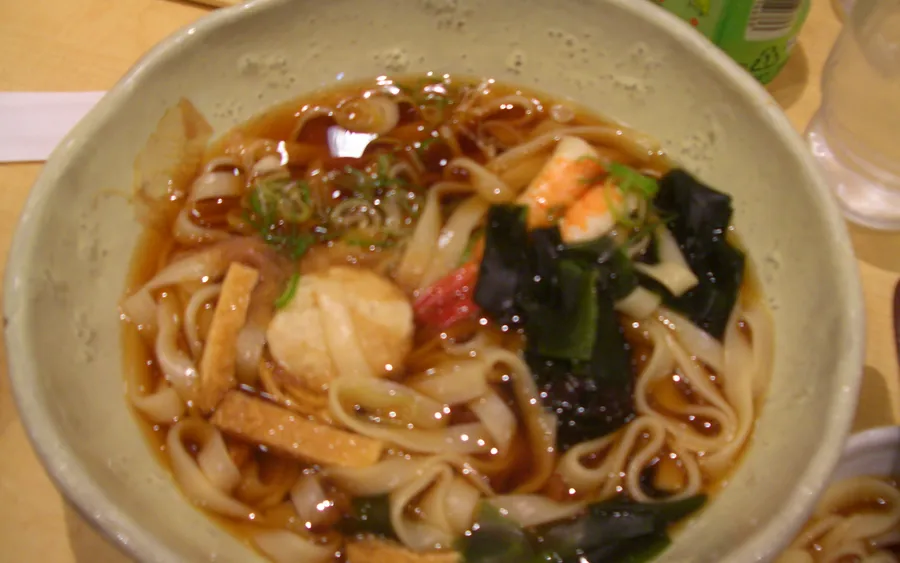
    A local flat, wide wheat noodle, thinner than udon but wider, served in a light dashi broth with abura-age and scallion. A lighter, quicker meal than hitsumabushi or miso katsu.

Keep reading

More guides you might like

Nearby

Related destinations

Continue

Related services

Easy Travel in Japan