Skip to content
Easy Travel in Japan
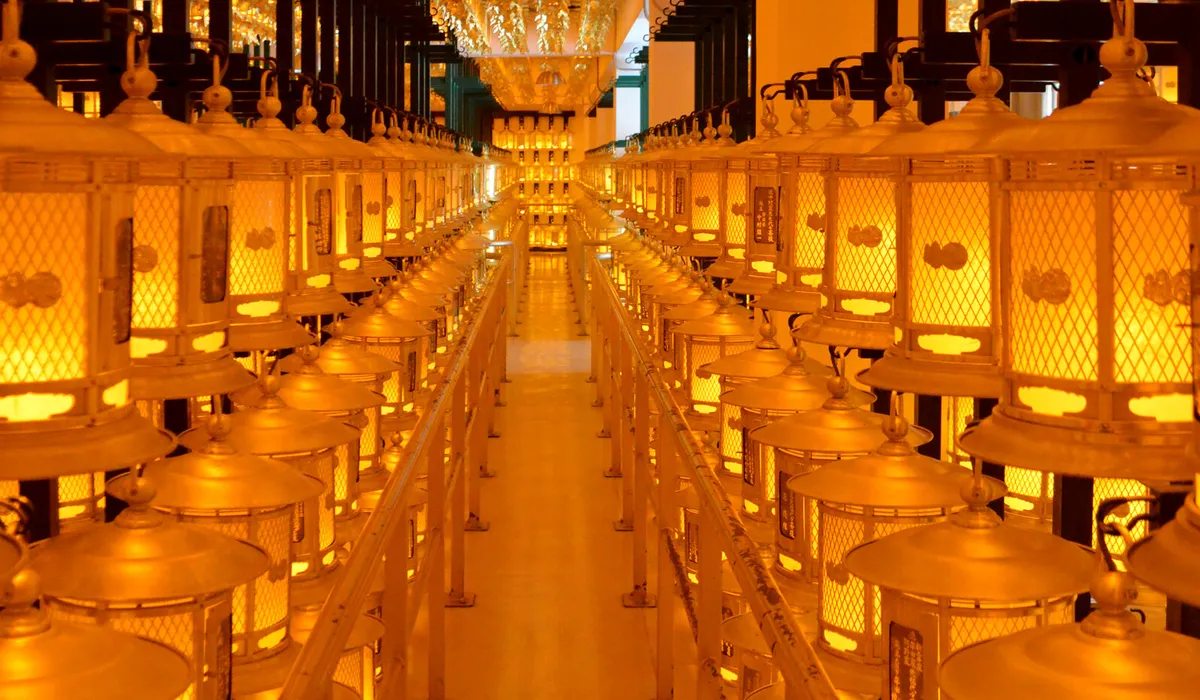
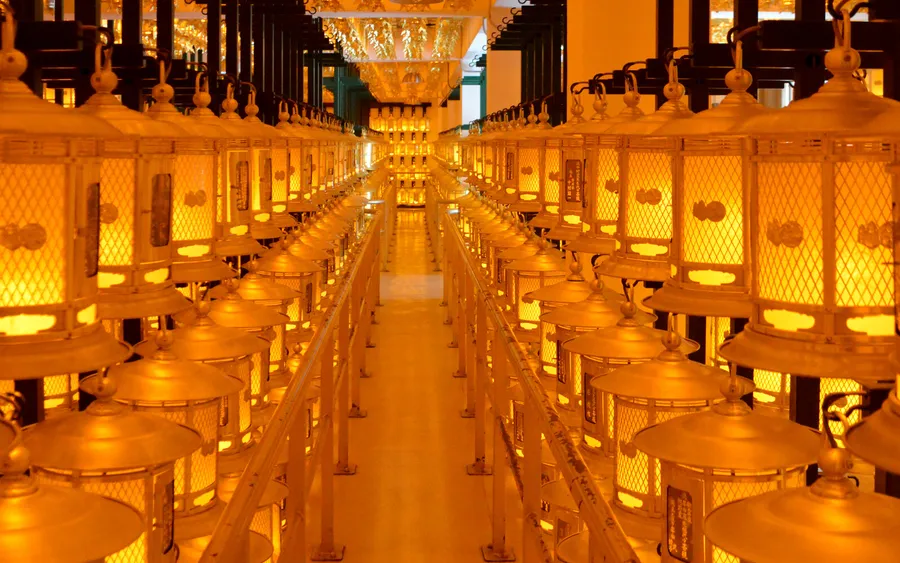
Lanterns inside Torodo, Okunoin, Koyasan

The Perfect 2-Day Koyasan Itinerary

Koyasan is one of the few places in Japan where the itinerary really should include a night’s sleep. Day one covers the mountain’s central sights — Daimon, Danjo Garan, and Kongobuji — before checking into a shukubo for a shojin ryori dinner and an after-dark walk through the lantern-lit Okunoin cemetery. Day two starts with a temple’s morning prayer service, revisits Okunoin in daylight, and leaves time for a last taste of goma-dofu before the cable car back down.

Day 1: Temples & Okunoin at Night

Koyasan's main sights on the way in, ending with the cemetery's most atmospheric hour, after dusk.

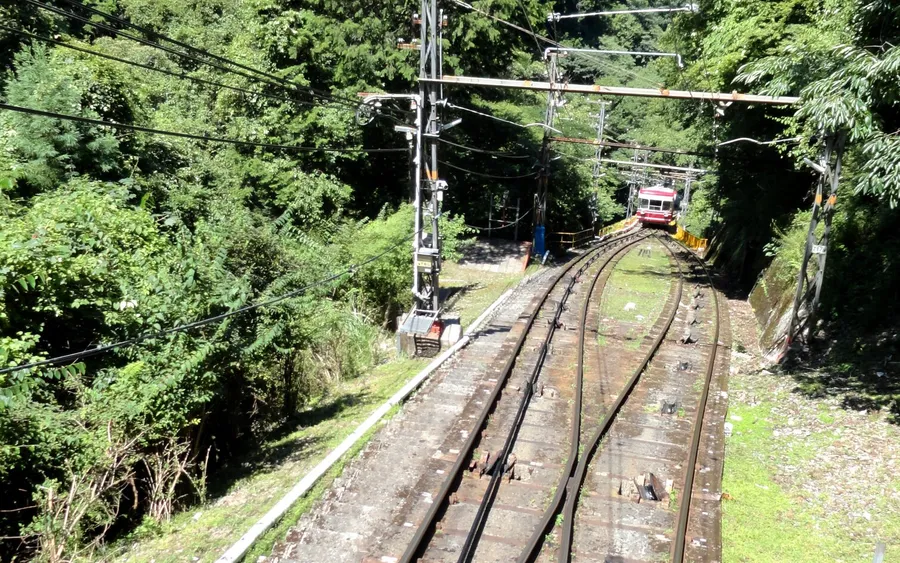
  1. Nankai cable car climbing from Gokurakubashi to Koyasan1

    11:00 AM — Osaka to Koyasan by Train & Cable Car

    From Osaka's Namba Station, the Nankai Koya Line's limited express reaches Gokurakubashi, the mountain's base, in around 80 minutes; the more common express-plus-transfer route via Hashimoto takes closer to 100 minutes. A morning departure gets you to Gokurakubashi by mid-morning, where a five-minute cable car climbs the final stretch to Koyasan Station, followed by a short bus into town. Nankai's discounted World Heritage Ticket bundles the round trip with unlimited local buses around the mountain, worth buying before you set off.
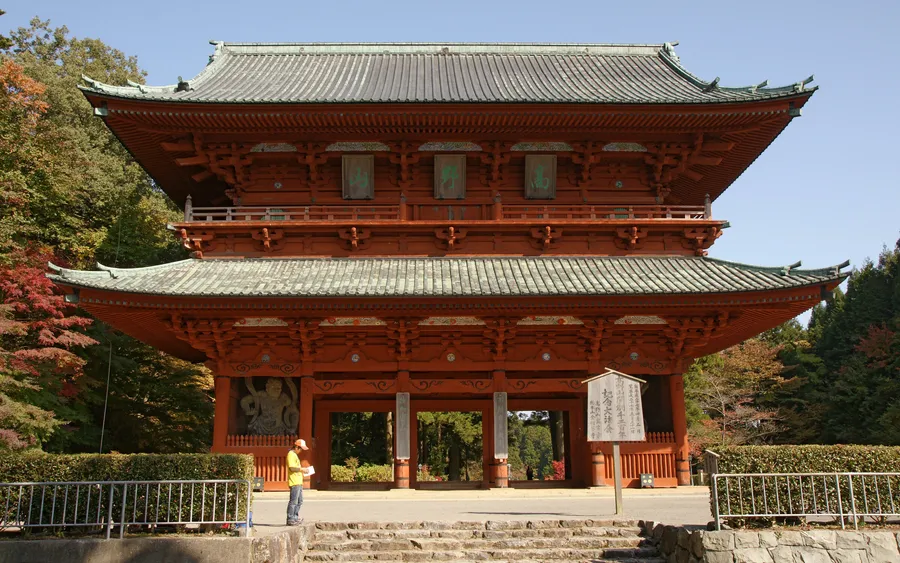
  2. Daimon, the great entrance gate to Koyasan2

    12:30 PM — Daimon (Great Gate)

    The bus from Koyasan Station can drop you near Daimon, the mountain's traditional entrance gate — a fitting place to start even though most first-time visitors approach it from the opposite direction later on. At around 25 meters tall, its five-section pillar structure is guarded by two vermilion Kongorikishi statues, among the largest of their kind in Japan, and the current gate dates to a 1705 rebuild.

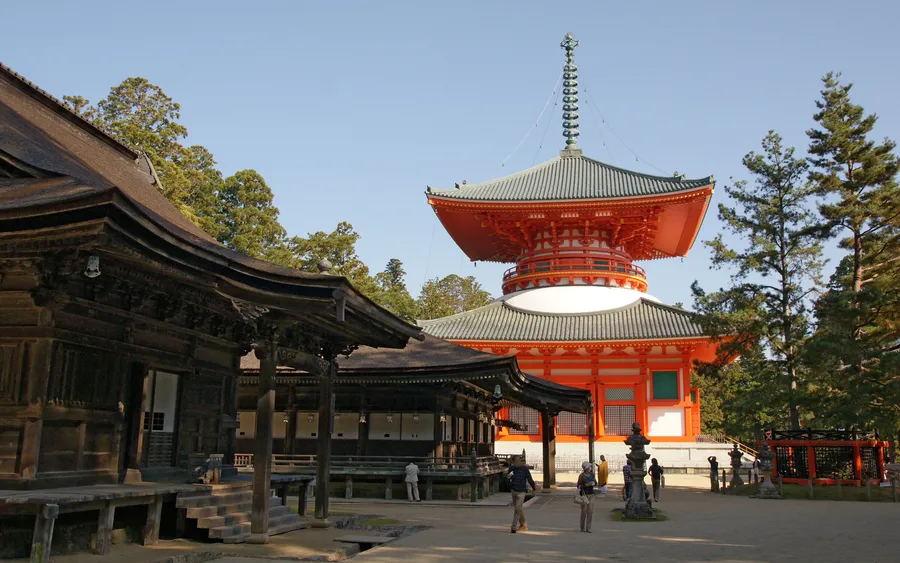
  3. Konpon Daito pagoda, Danjo Garan, Koyasan3

    1:15 PM — Danjo Garan & the Konpon Daito Pagoda

    A short walk from Daimon, Danjo Garan is the mountain's original training ground, the complex Kukai began building after founding Koyasan in 816. Its centerpiece, the roughly 48-meter vermilion Konpon Daito, is considered the first pagoda of its architectural style built in Japan — worth circling from outside even if you skip the paid interior.

    Interiors: 8:30 AM – 5:00 PM, last admission 4:30 PM; grounds open longer152 Koyasan, Koya-cho, Ito-gun, Wakayama 648-0211
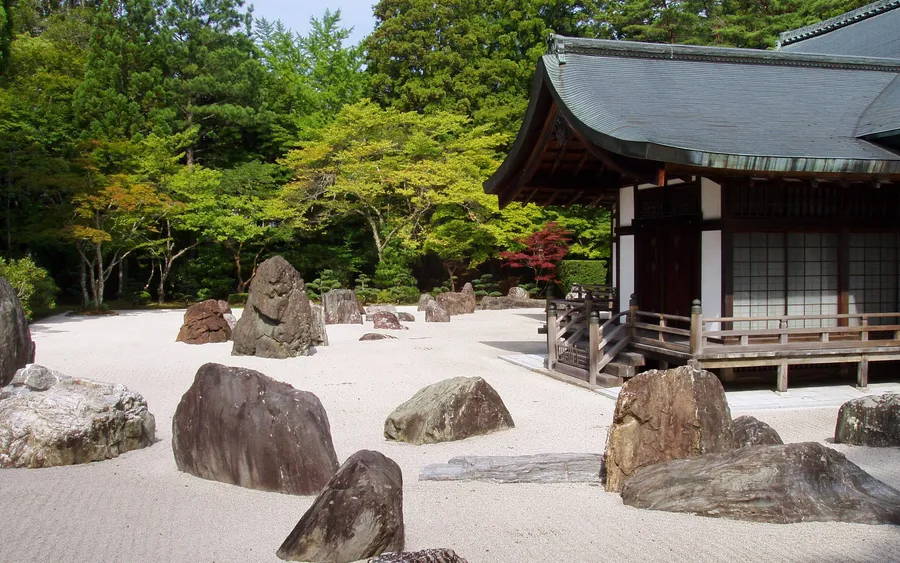
  4. Banryutei rock garden, Kongobuji, Koyasan4

    2:30 PM — Kongobuji

    Next door to Danjo Garan, Kongobuji is the head temple of Koyasan Shingon Buddhism, its current buildings dating to 1593. Inside, painted sliding-screen doors lead through room after room of temple architecture, ending at the Banryutei rock garden — Japan's largest, 140 granite stones arranged in 1984 to depict a pair of dragons emerging from clouds.

    8:30 AM – 5:00 PM, last admission 4:30 PM132 Koyasan, Koya-cho, Ito-gun, Wakayama 648-0294
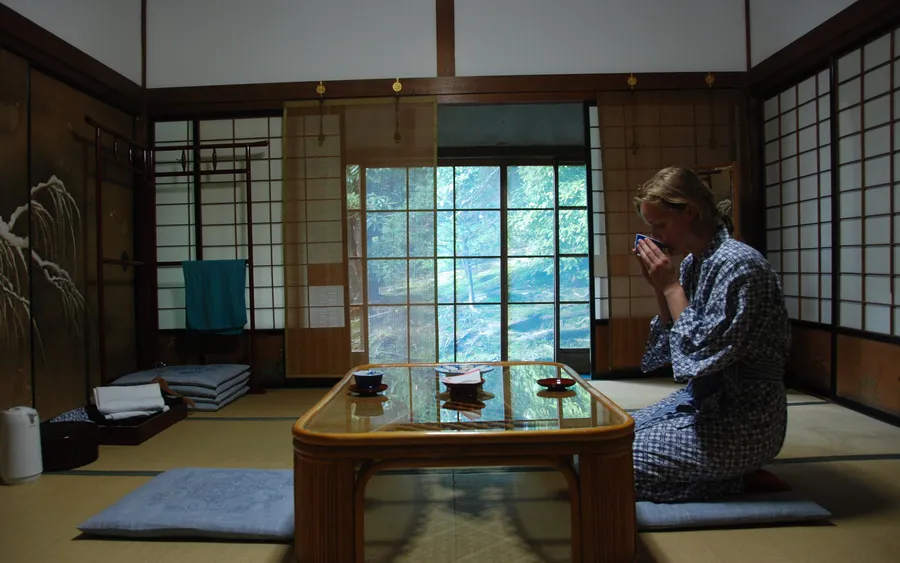
  5. Guest room inside a Koyasan shukubo5

    4:00 PM — Check In & Settle at Your Shukubo

    Head to your shukubo in the mid-afternoon to settle in before the evening's meal — around 50 of Koyasan's temples operate as guest lodgings, simple tatami rooms inside a working monastic community rather than a museum piece. It's worth booking ahead, since rooms fill up, especially in autumn foliage season and around Obon.

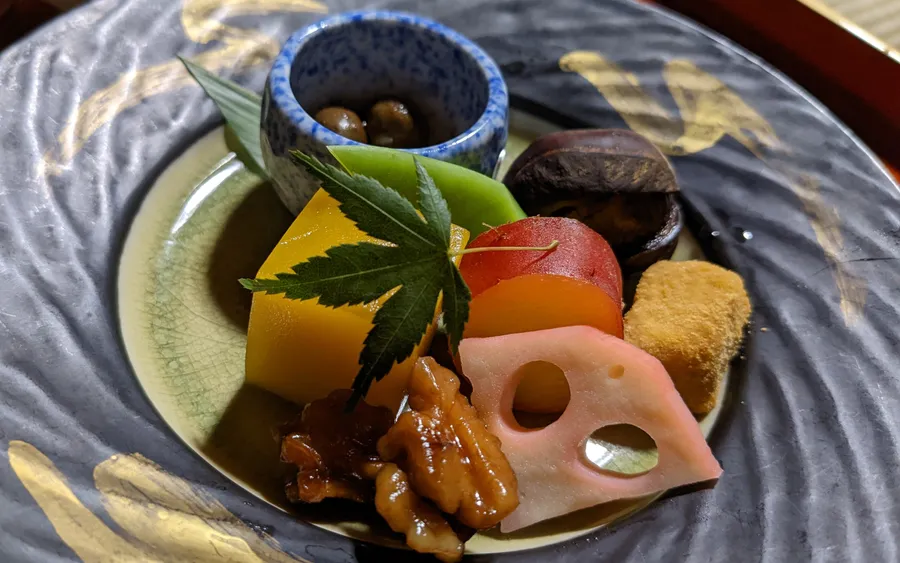
  6. Shojin ryori appetizer, Koyasan6

    6:00 PM — Shojin Ryori Dinner

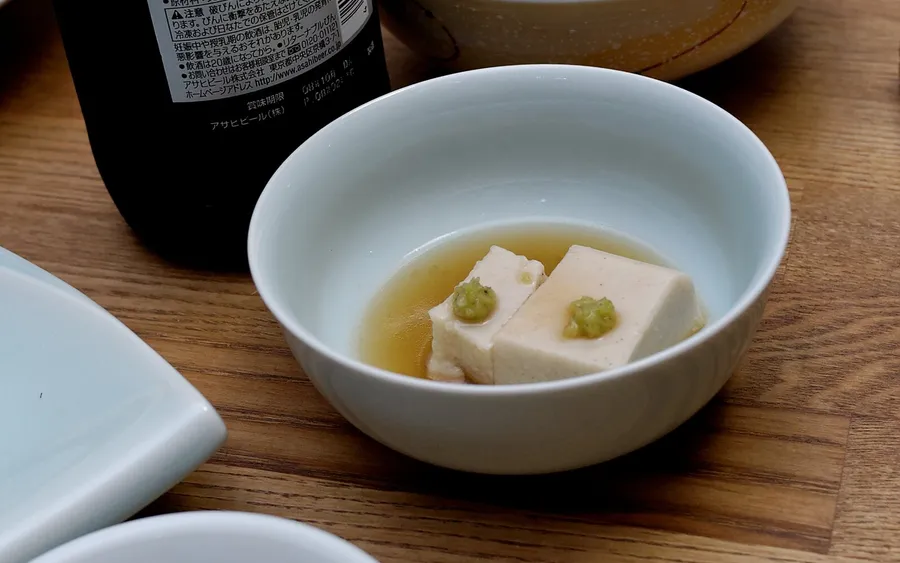
    Dinner is included with the stay and served in the early evening: shojin ryori, Buddhist vegetarian cuisine built from six to eight small dishes of simmered vegetables, tempura, pickles, and rice, with no meat, fish, garlic, or onion. Goma-dofu, Koyasan's own silky sesame tofu, almost always makes an appearance — a quiet, unhurried meal before heading back out for the evening.

  7. Lanterns inside Torodo, Okunoin, Koyasan7

    7:30 PM — Okunoin at Night

    Okunoin, Japan's largest cemetery, is at its most atmospheric after dark, when the roughly two-kilometer path from the Ichinohashi entrance to Kobo Daishi's mausoleum is lit almost entirely by stone lanterns beneath the ancient cedars. Near the end, the Torodo, or Lantern Hall, holds thousands of donated lanterns, including two said to have burned continuously for more than 900 years — worth timing your walk to end there before heading back to the temple for the night.

Day 2: Morning Rituals & the Way Down

A temple prayer service, a daylight look at Okunoin, and the trip back to Osaka or Kyoto.

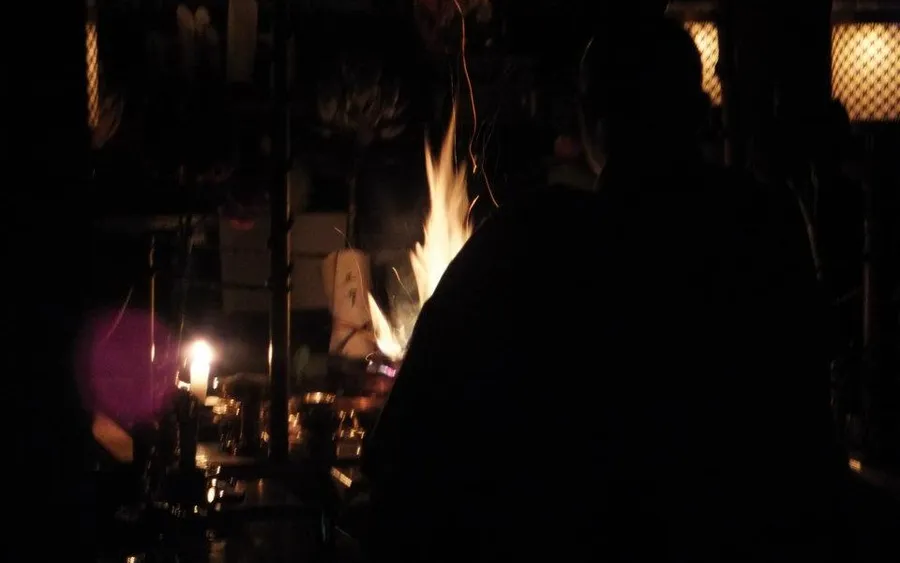
  1. Goma fire ritual at a Koyasan temple1

    6:30 AM — Morning Prayer & Goma Fire Ritual

    Most shukubo hold a daily prayer ceremony around 6 to 7 a.m. that overnight guests are welcome to join, built around sutra chanting in the temple's main hall. Some temples add a Goma fire ritual, a Shingon Buddhist ceremony symbolizing the burning away of earthly desire — a genuinely lived practice, not a performance staged for visitors, and one of the more memorable ways to start a day anywhere in Japan.

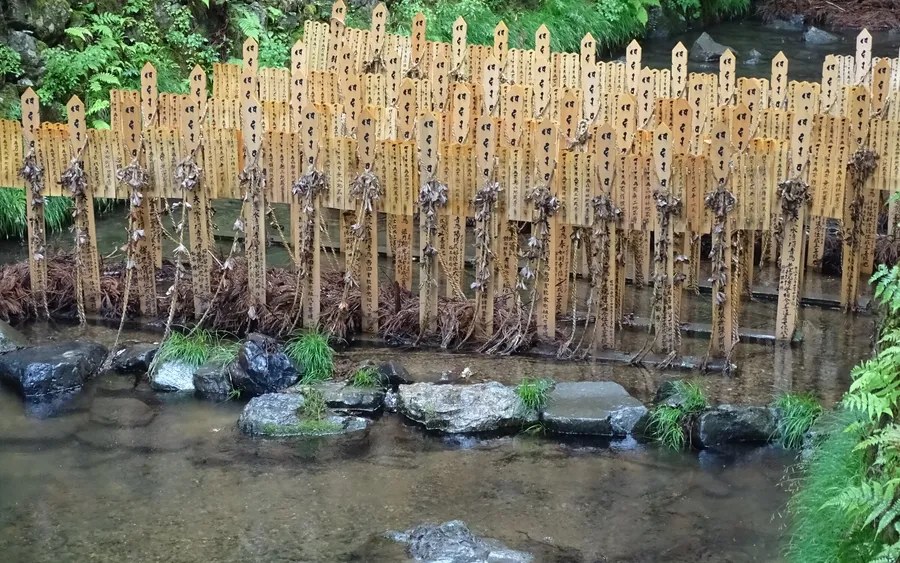
  2. Choishi Path through Okunoin Cemetery, Koyasan2

    9:00 AM — Breakfast, Then Okunoin by Daylight

    After breakfast and checkout, walk Okunoin again in daylight — the same cedar-lined path looks completely different in the morning light, when you can actually read the inscriptions on the more than 200,000 tombstones and memorials lining the way, from feudal lords to modern companies. Give it 40 minutes to an hour at an easy pace.

  3. Goma-dofu, a sesame tofu specialty of Koyasan3

    11:30 AM — Goma-dofu Before You Go

    Before heading back down the mountain, stop at one of the shops in town selling goma-dofu, Koyasan's own sesame tofu, to take a taste of the mountain home with you. It's a light, easy stop to fit in on the way to the bus back to Koyasan Station.

  4. Nankai cable car climbing from Gokurakubashi to Koyasan4

    1:00 PM — Cable Car & Train Back to Osaka or Kyoto

    Retrace the route down: local bus to Koyasan Station, the five-minute cable car to Gokurakubashi, then the Nankai Koya Line back toward Osaka's Namba Station, with a transfer at Hashimoto if you're not on a limited express. From Namba, both Kyoto and the rest of the Kansai region are within easy onward reach for the remainder of the day.

Keep reading

More guides you might like

Nearby

Related destinations

Continue

Related services

Easy Travel in Japan